

Apartment Gardening: Complete Guide to Growing Plants in Small Spaces
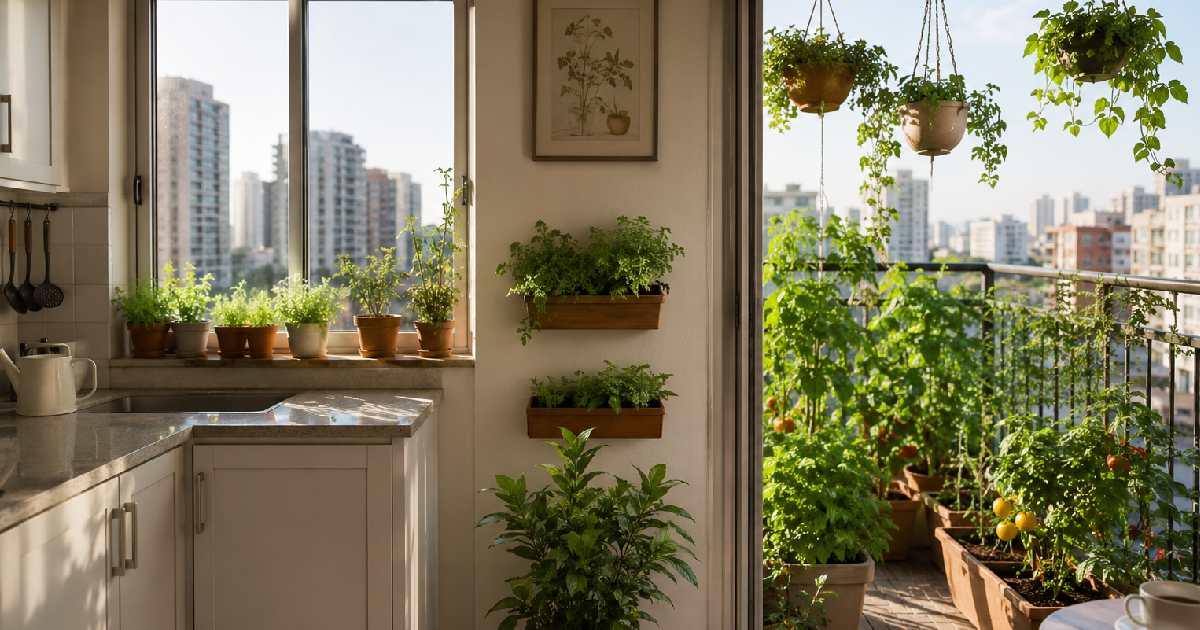
Apartment gardening has slowly become part of everyday life for many people living in small homes and city apartments. You don’t really need a backyard anymore to grow plants. A balcony corner, kitchen shelf, or even space near a window can work surprisingly well. I once saw someone grow herbs beside a coffee machine, and honestly, it looked simple but smart.
People usually start apartment gardening for fresh herbs or small vegetables, though later it becomes more than that. The space feels calmer. Rooms look less empty. Plants change the mood without doing much. You also don’t need expensive tools or a perfect setup in the beginning. A few containers, decent sunlight, and regular watering are mostly enough to get started and learn naturally over time.
What is Apartment Gardening?
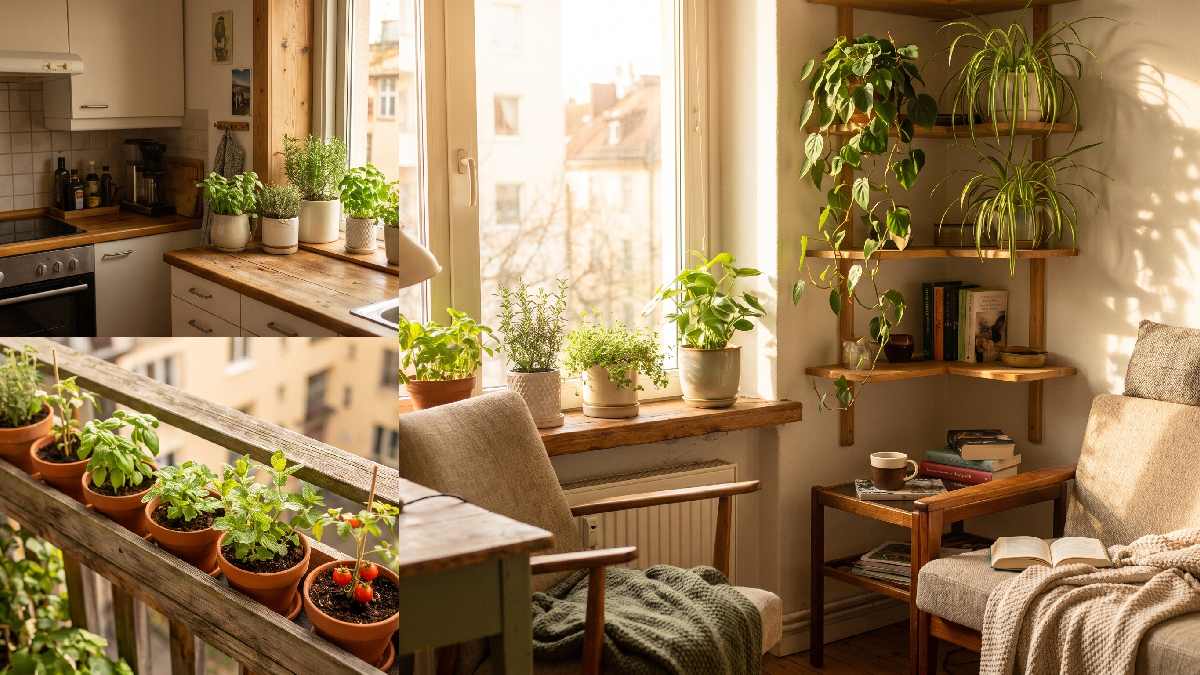
Apartment gardening is growing plants in small living spaces without a traditional garden. It usually happens in balconies, windows, kitchens, or even indoor corners. I have seen people turn very small areas into green spots with just a few pots.
It feels simple at first, but slowly it becomes part of daily life. Apartment gardening helps bring nature closer, even in city living. You don’t need a big yard, just basic care and some space awareness.
Container Gardening
Container gardening is one of the easiest ways to start gardening in apartments. Plants grow in pots, buckets, or any suitable containers. I once used simple plastic pots and still got healthy herbs growing. It gives flexibility because you can move plants easily.
You control soil, water, and placement. Even small balconies work fine. This method is very beginner-friendly and helps people grow flowers, vegetables, or herbs without needing a large outdoor garden space.
Indoor Gardening
Indoor gardening means growing plants inside your home using natural or artificial light. Many people place plants near windows or use grow lights in darker rooms. I noticed even small indoor plants can change the feel of a room. It looks fresher and more alive.
This method works well for apartments with no balcony. Herbs, leafy greens, and decorative plants are commonly grown. It needs regular care, but stays simple once you understand light and watering needs.
Vertical Gardening
Vertical gardening uses wall space instead of ground space for growing plants. Pots or planters are arranged vertically on walls, racks, or stands. I saw one apartment balcony fully covered with hanging plants, and it saved a lot of space.
It is useful when floor space is very limited. This method works well for herbs and small plants. It also makes the area look green and organized. Vertical gardening is smart for compact urban living spaces.
Benefits of Apartment Gardening
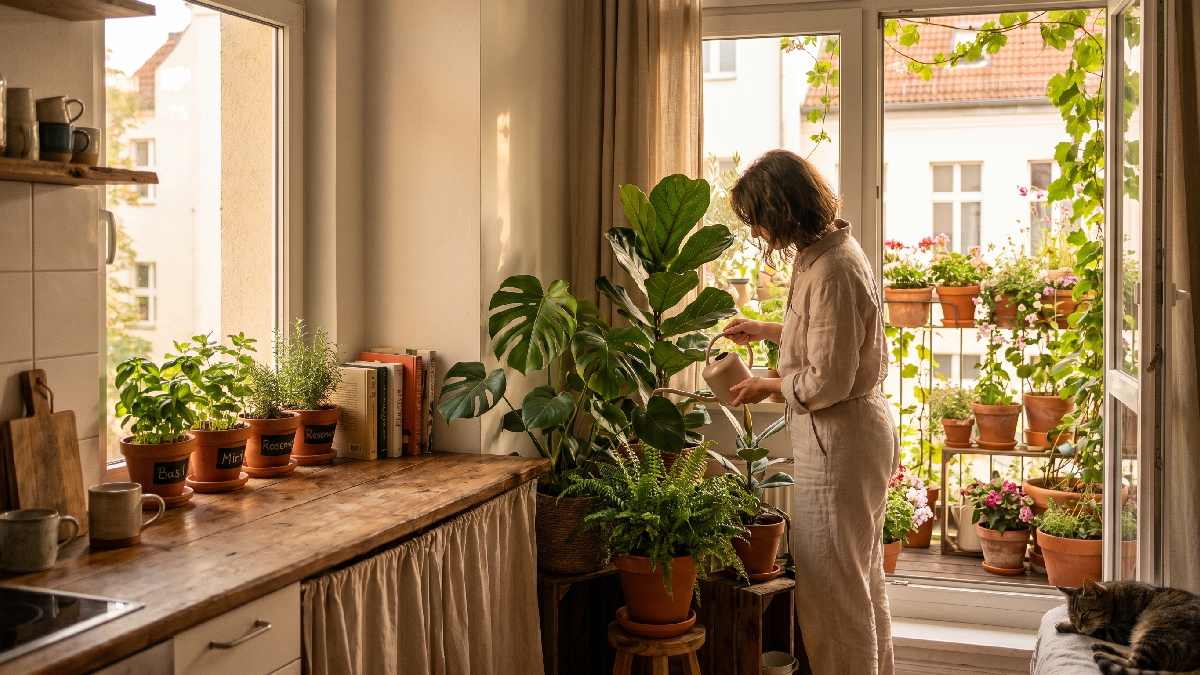
Apartment gardening brings simple but real benefits for people living in small city spaces. You don’t need a big garden to start. A few pots on a balcony or near a window already change the feel of a home.
I have seen people begin with just one or two plants and slowly build a small green corner. It becomes part of the daily routine without much effort.
Fresh Herbs & Vegetables
Fresh herbs and vegetables are one of the most useful parts of apartment gardening. You can grow mint, basil, spinach, or small tomatoes in containers. I once used homegrown mint for tea, and the taste felt fresher than store-bought.
Even small spaces can produce useful food. It reduces small grocery trips and adds freshness to meals. Simple care and regular watering are usually enough to keep plants productive at home.
Better Air Quality
Plants in apartments help improve indoor air quality in a natural way. They take in carbon dioxide and release oxygen, making rooms feel lighter. I noticed that a small room feels fresher when even a few plants are placed inside.
Some indoor plants also reduce dryness and dust. It is not a dramatic change, but a steady improvement over time. Even a small setup can make living spaces feel more comfortable and breathable.
Stress Relief & Mental Wellness
Apartment gardening often works as a quiet stress relief activity. Watering plants or checking growth gives a calm feeling after a busy day. I have seen people sit near their plants for a few minutes and feel relaxed without doing much.
It creates a small break from screens and noise. Watching plants grow slowly brings patience and balance. Even basic gardening tasks can improve mood and add a sense of peace at home.
Sustainable Urban Living
Apartment gardening also supports more sustainable urban living habits. Small changes like growing herbs or reusing containers reduce waste slightly. I have noticed people feel more connected to nature even in city apartments.
Composting kitchen waste or growing small vegetables adds value to daily life. It does not require a big effort. Over time, these small steps encourage a more eco-friendly lifestyle that fits easily into modern apartment living without major changes.
Best Apartment Gardening Methods
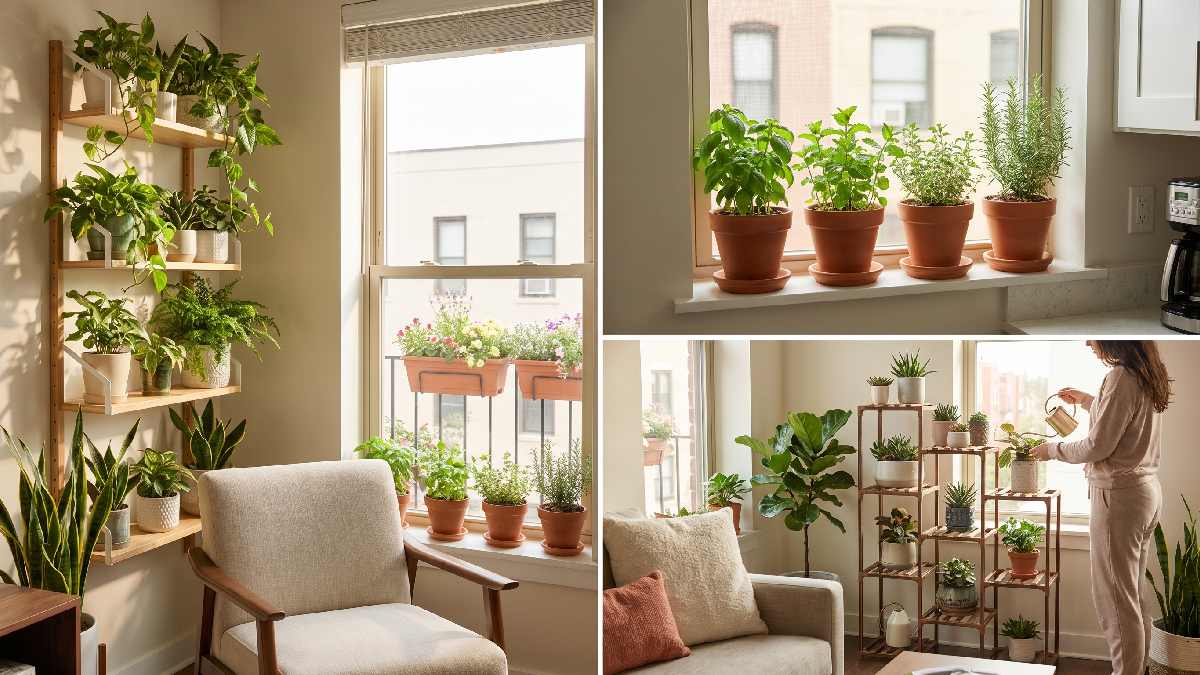
Apartment gardening works best when you choose methods that fit small spaces and your daily routine. Many people think gardening needs a yard, but that is not true anymore. I have seen people grow plants in very limited areas using smart setups.
Balconies, windows, and indoor corners can all become green spots. The key is using space wisely and keeping care simple. With the right method, even a small apartment can support healthy plants and fresh home gardening easily.
Balcony Gardening
Balcony gardening is one of the most popular methods for apartment living. It uses outdoor balcony space to grow plants in pots, containers, or small beds. I once saw a balcony fully covered with herbs and flowers, and it looked like a mini garden.
Sunlight is usually better here, which helps plants grow faster. You can grow vegetables, herbs, and decorative plants. It needs regular watering and simple care, but it gives a natural green outdoor feel in small homes.
Window Sill Gardening
Window sill gardening is perfect for apartments with limited space. Plants are placed on windows where they can get natural light throughout the day. I noticed small herb pots on a kitchen window once, and they were used daily for cooking.
This method is simple and very beginner-friendly. It works well for herbs like mint, basil, and parsley. You don’t need large containers. Just small pots, sunlight, and regular watering keep plants healthy and easy to maintain indoors.
Hydroponic Gardening
Hydroponic gardening is a modern method where plants grow without soil using water and nutrients. I have seen small indoor hydroponic systems growing fresh lettuce and herbs very quickly. It saves space and reduces mess inside apartments.
Plants grow in controlled conditions, so results are often faster and cleaner. This method is ideal for people who want high efficiency in small areas. It needs setup, but once ready, it becomes a simple and low-maintenance way of indoor gardening.
Hanging Planters
Hanging planters are a smart solution for saving floor space in apartments. Plants are placed in pots that hang from walls, ceilings, or balcony railings. I saw a small balcony once filled with hanging pots, and it looked very organized and green.
This method works well for flowers, herbs, and trailing plants. It adds beauty without using ground space. Maintenance is simple, and watering is easy with proper setup. Hanging planters make small spaces feel more lively and fresh.
Best Plants for Apartment Gardening
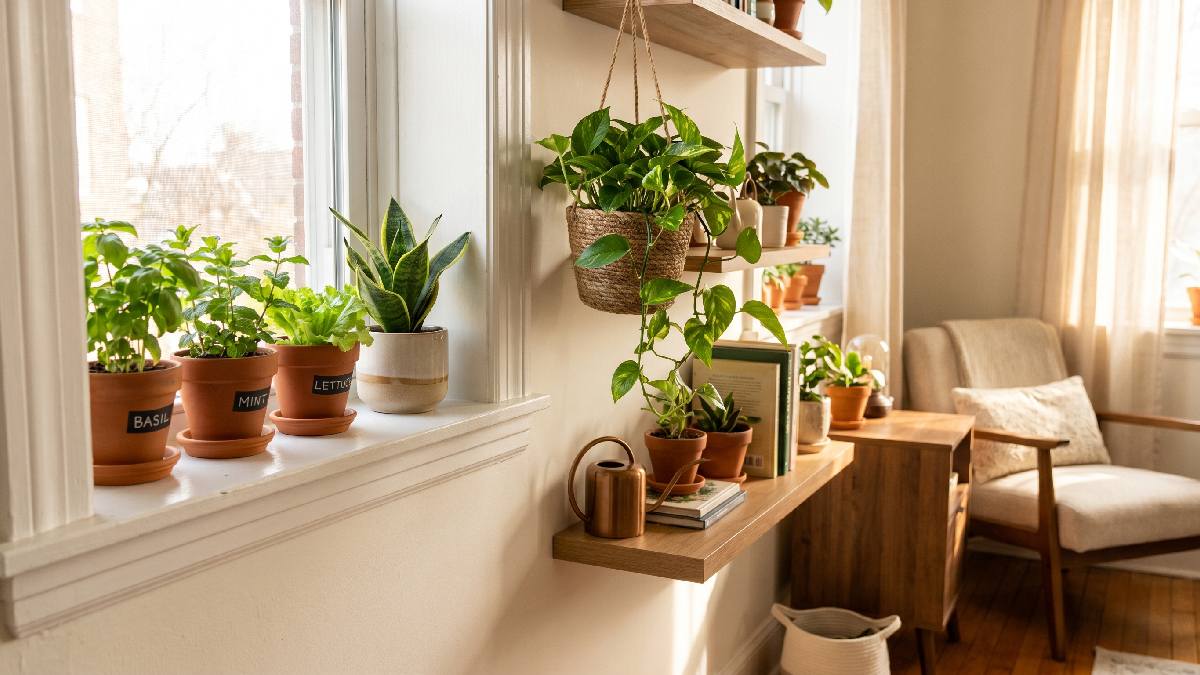
Choosing the right plants makes apartment gardening much easier and more successful. Small spaces do not limit plant options if you pick wisely. I have seen people grow healthy plants even in tiny flats just by selecting the right varieties.
The key is to focus on plants that adapt well to containers, limited sunlight, and indoor conditions. Herbs, vegetables, and low-maintenance plants are the best starting point for anyone trying to build a green space in an apartment.
Best Herbs for Apartments
Best herbs for apartments include mint, basil, coriander, and parsley because they grow easily in small pots. I once kept mint in a kitchen window, and it kept growing without much effort. These herbs do not need deep soil or a large space.
Regular watering and some sunlight are usually enough. They are also very useful in daily cooking, which makes them even more practical. Herbs are perfect for beginners who want quick growth and useful plants at home.
Easy Vegetables to Grow
Easy vegetables to grow in apartments include tomatoes, chilies, spinach, and radishes. These plants adapt well to containers and small balcony setups. I have seen cherry tomatoes grow well in small pots with basic care.
They need regular sunlight and watering, but not too much complexity. Even beginners can manage them easily. These vegetables also provide fresh produce at home, which adds value to apartment gardening. Simple care and patience usually lead to good results over time.
Low-Maintenance Indoor Plants
Low-maintenance indoor plants are perfect for people with busy lifestyles. Plants like snake plant, pothos, and peace lily grow well with minimal care. I noticed a snake plant surviving even in a corner with little sunlight.
These plants do not need frequent watering or special attention. They improve indoor air and add greenery to rooms. For beginners, they are very forgiving. Even if you forget to care sometimes, they continue growing and keep your apartment looking fresh.
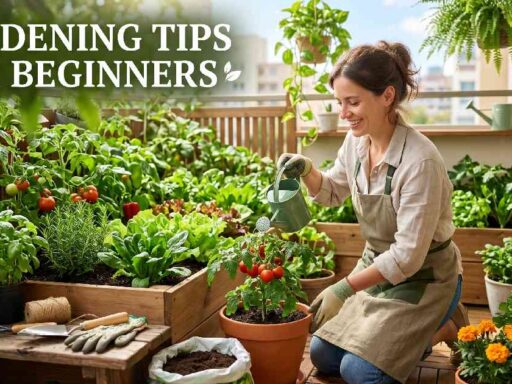
Apartment Gardening Tips for Beginners
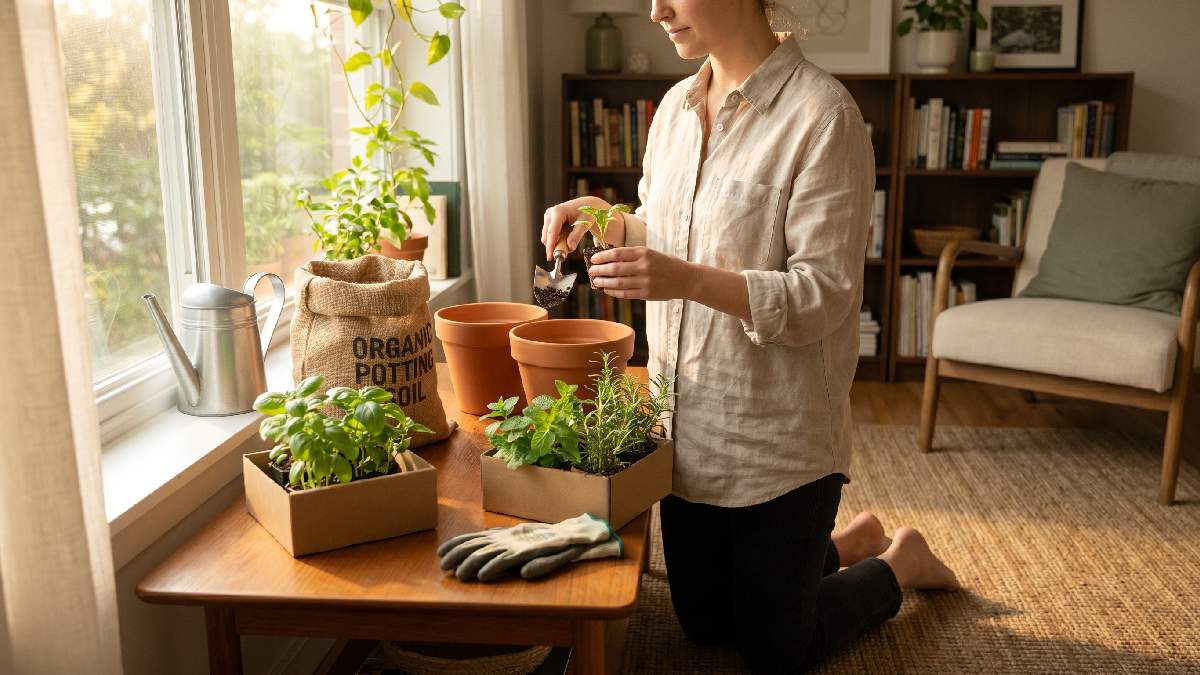
Apartment gardening becomes much easier when you start with simple and practical habits. Beginners often try too many things at once and get confused later. I have seen people succeed just by keeping things basic in the beginning.
Small steps matter more than big setups. Choosing the right containers, soil, watering habits, and sunlight balance makes a big difference. Once you understand these basics, plants start growing better, and your apartment slowly turns into a green space.
Choosing the Right Containers
Choosing the right containers is the first important step in apartment gardening. Pots should have proper drainage holes and enough space for roots. I once used a container without holes, and the plant struggled quickly. That taught me the importance of simple design.
Plastic, clay, or ceramic pots all work if drainage is correct. Size matters too. Small plants need small pots, while vegetables need deeper ones. Good containers help plants grow healthier and avoid water-related problems.
Soil & Fertilizer Tips
Good soil is the base of healthy plants in apartment gardening. A light and well-draining soil mix works best for containers. I have seen plants fail just because the soil was too heavy and compact. Adding organic compost improves growth naturally.
Fertilizer should be used in small amounts, not too often. Overfeeding can harm plants instead of helping them. A balanced soil mix gives roots space to breathe and supports steady plant development over time.
Watering Schedule
The watering schedule is very important in apartment gardening because both overwatering and underwatering can cause problems. I noticed beginners often water too frequently, thinking it helps plants grow faster. Most plants actually prefer a balanced routine.
Checking the soil before watering works better than fixed timing. If the soil feels dry, water it. If it is still moist, wait. This simple habit keeps plants healthy and avoids root damage, especially in small container setups inside apartments.
Sunlight Requirements
Sunlight requirements vary depending on plant type, but most apartment plants need some natural light daily. I have seen plants placed in dark corners slowly lose their color and growth. A window or balcony usually works best.
Some plants need direct sunlight, while others prefer indirect light. Understanding this difference is important. If sunlight is limited, grow lights can help. Proper light balance keeps plants active, green, and growing steadily in apartment environments.
Common Apartment Gardening Mistakes
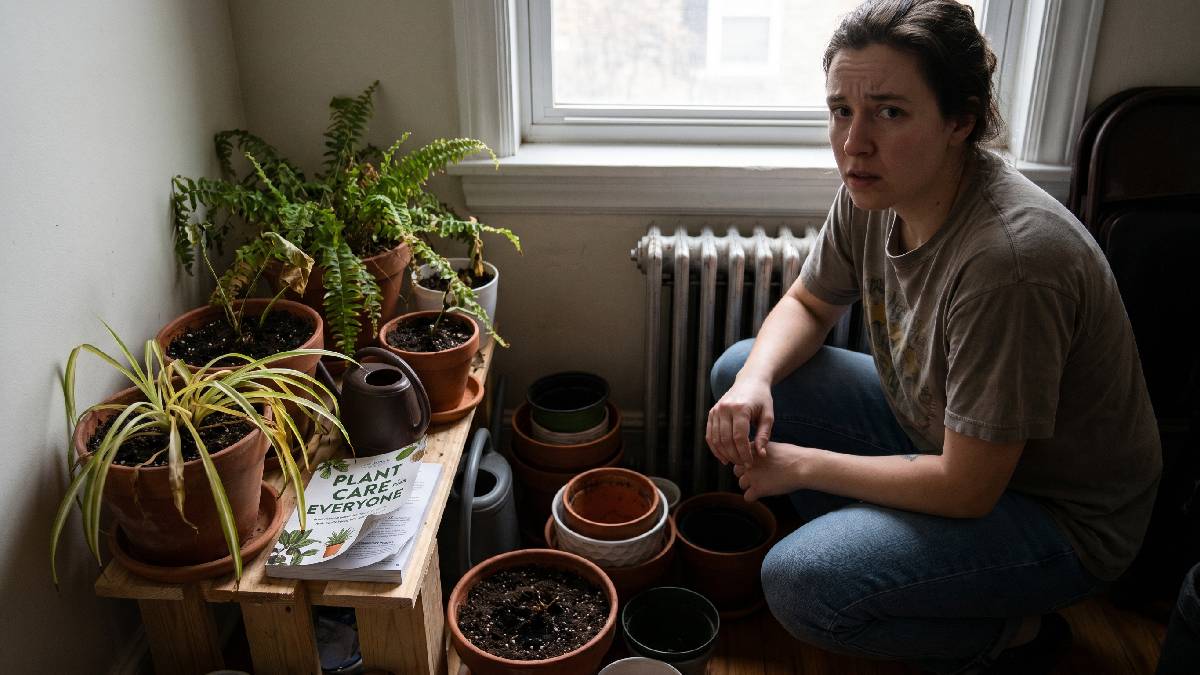
Apartment gardening mistakes are very common for beginners, especially when they rush the process. Most problems happen due to overcare or a lack of basic knowledge. I have seen people lose plants just because of simple errors like too much water or wrong placement.
These mistakes are easy to avoid once you understand them. Learning from small failures helps improve plant care and makes apartment gardening more successful over time.
Overwatering Plants
Overwatering plants is one of the most common mistakes in apartment gardening. Many beginners think more water means faster growth, which is not true. I have seen plants die because the roots stayed wet for too long.
This leads to root rot and weak growth. Plants usually need water only when the soil feels dry. A simple check with fingers is enough. Proper balance keeps roots healthy and helps plants grow steadily without stress or damage.
Poor Drainage
Poor drainage causes water to stay in the pot, which harms plant roots. I once used a pot without proper holes, and the plant stopped growing quickly. Water needs a way to escape after watering. Without drainage, soil becomes heavy, and roots cannot breathe.
This leads to slow growth or plant death. Choosing containers with holes at the bottom is a simple solution. Good drainage keeps soil fresh and supports healthy plant development in apartments.
Wrong Plant Selection
Wrong plant selection often leads to failure in apartment gardening. Not all plants grow well in small indoor spaces. I have seen people choose large plants for tiny balconies and struggle later. Beginners should start with easy plants like herbs or small vegetables.
These plants adjust better to limited light and space. Choosing the right plant makes gardening easier and more enjoyable. It reduces effort and increases the success rate in small apartment environments.
Lack of Sunlight
Lack of sunlight affects plant growth more than many people realize. I noticed plants placed in dark areas become weak and lose color over time. Most plants need at least some natural light daily. Without it, growth slows down or stops completely.
Moving plants near windows or balconies helps a lot. If natural light is not enough, artificial grow lights can be used. Proper lighting keeps plants active and supports healthy growth in apartment gardening.
How to Start an Apartment Garden
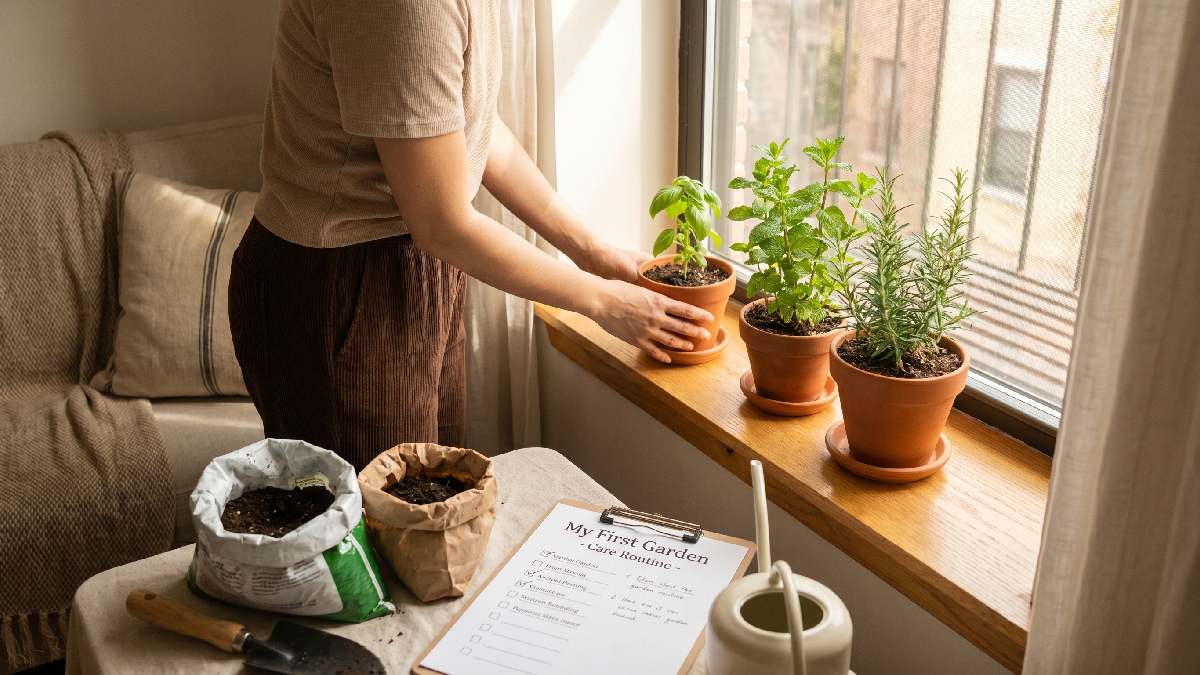
Starting an apartment garden is simple when you follow a basic step-by-step approach. Many people think it requires experience, but it actually begins with small decisions. I have seen beginners succeed just by starting with a few plants and learning gradually.
The key is choosing space, selecting easy plants, and building a simple care routine. Once the foundation is set, apartment gardening becomes enjoyable and naturally grows into a long-term habit.
Choose Your Space
Choosing your space is the first step in starting an apartment garden. It can be a balcony, windowsill, kitchen corner, or even a small table near a light. I once saw plants growing on a tiny shelf near a window, and it worked perfectly.
Space does not need to be large, just suitable for light and airflow. Picking the right spot helps plants grow better and makes daily care easier and more organized for beginners.
Pick Beginner-Friendly Plants
Beginner-friendly plants make apartment gardening much easier for new gardeners. Herbs like mint, basil, and coriander are good starting options. I have seen people succeed quickly when they start with simple plants instead of complex ones.
These plants grow fast and do not need heavy care. They also adapt well to small spaces and indoor conditions. Starting simple builds confidence and helps beginners understand plant care without feeling overwhelmed in the early stages.
Set Up Containers
Setting up containers properly is important for healthy plant growth. Pots should have drainage holes and enough space for roots to expand. I once used mismatched containers and noticed uneven growth in plants. Choosing the right size and material helps plants stay stable.
Soil should be placed loosely, not packed too tightly. Proper container setup supports water flow and root health, which improves overall plant growth in small apartment gardening environments.
Create a Maintenance Routine
Creating a maintenance routine keeps apartment gardening consistent and stress-free. Plants need regular attention but not constant care. I noticed that a simple weekly routine works better than random watering or checking.
Watering, sunlight adjustment, and small cleaning tasks are usually enough. A fixed routine helps avoid common mistakes like overwatering or neglect. Over time, this habit becomes natural and makes plant care easier and more enjoyable in apartment living.
Essential Tools for Apartment Gardening
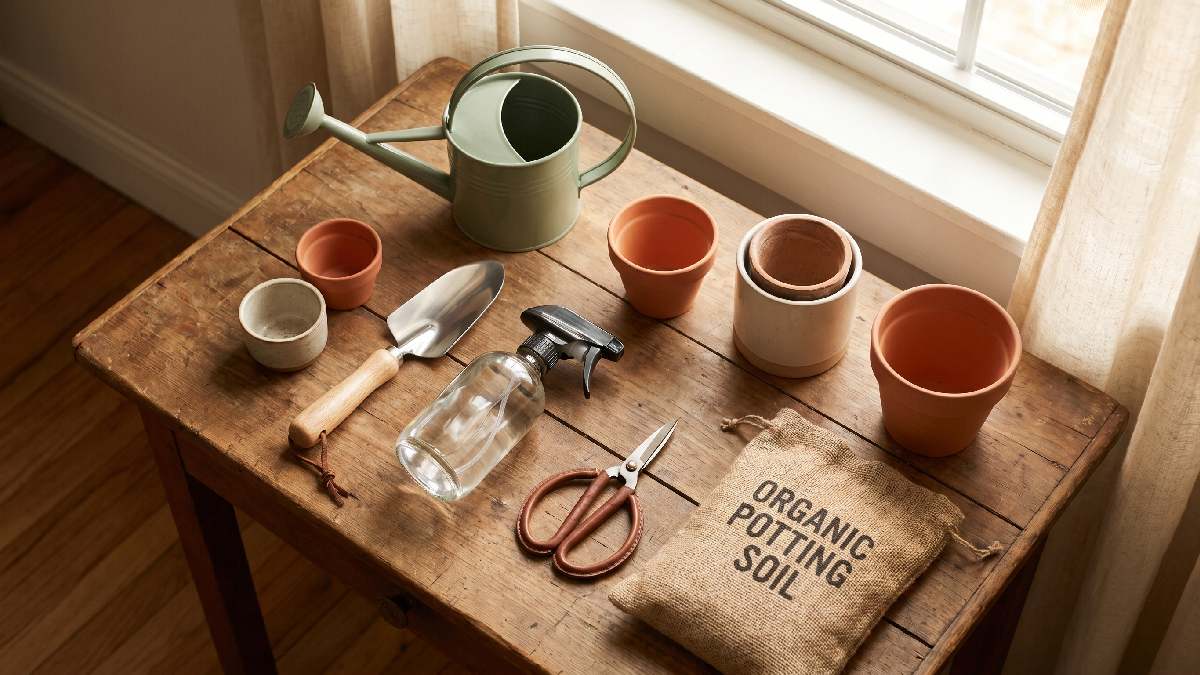
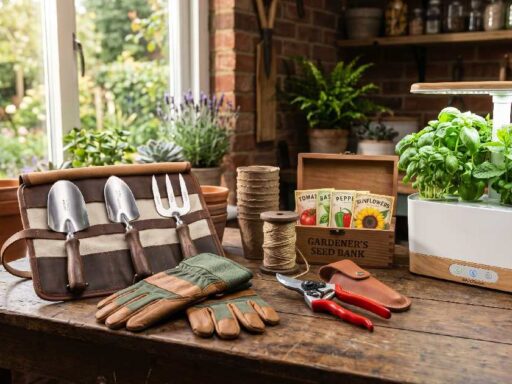
Essential tools make apartment gardening easier, especially for beginners. You do not need many items to start, just a few basics that support daily care. I have seen people manage plants well with very simple tools. The focus should be on practicality rather than quantity.
Good tools help with watering, planting, and maintenance. Once you have the right setup, caring for plants becomes smoother and more organized in small apartment spaces.
Pots & Containers
Pots and containers are the most basic requirement for apartment gardening. They hold soil and support plant growth in small spaces. I once started with simple plastic pots,s and they worked fine for herbs. The important thing is drainage and size.
Containers should match plant needs. Too small or too large pots can affect growth. Choosing the right container makes plant care easier and helps maintain healthy roots in apartment environments.
Gardening Soil Mix
The soil mix for gardening plays a key role in plant health. A light, well-draining mix works best for containers. I noticed plants grow better when the soil is not too heavy or compact. Adding compost improves nutrients naturally.
Good soil allows roots to breathe and absorb water properly. It reduces problems like root rot and poor growth. A balanced soil mix is essential for successful apartment gardening and long-term plant health.
Watering Can
A watering can helps control the amount of water plants receive. I used to pour water directly from a bottle and often overwatered plants. A watering can makes the process more balanced and gentle. It allows even distribution of water across the soil.
This prevents damage and keeps plants healthy. Simple tools like this make gardening easier for beginners and help maintain proper watering habits in small-apartment setups.
Grow Lights
Grow lights are useful when natural sunlight is not enough in apartments. I have seen plants grow well under artificial light in darker rooms. These lights support photosynthesis and keep plants active. They are especially helpful in apartments with limited windows or shaded areas.
Modern grow lights are energy-efficient and easy to use. They ensure plants receive proper light balance, which improves growth and health in indoor gardening setups.
FAQ (SEO + Featured Snippets)
Can I do gardening in a small apartment?
Yes, you can grow herbs, vegetables, and indoor plants using containers, vertical gardens, or windowsills.
What is the easiest plant for apartment gardening?
Mint, basil, and microgreens are the easiest for beginners.
Do apartment plants need sunlight?
Yes, most plants need 4to 6 hours of sunlight or grow lights indoors.
Can I grow vegetables in an apartment?
Yes, tomatoes, chillies, spinach, and lettuce grow well in containers.
Is apartment gardening expensive?
No, you can start with recycled containers and basic soil at low cost.
Conclusion
Apartment gardening is not about space; it is about how you use it. Even a small corner can turn into a green, living area with simple care. I have seen people start with just one plant and slowly build confidence over time. It feels natural, not forced.
With the right plants, containers, and routine, growth becomes steady. Mistakes happen in the beginning, but they teach better habits. In the end, apartment gardening brings freshness, calmness, and a small connection to nature at home.