

How Long Do Microgreens Take to Grow?
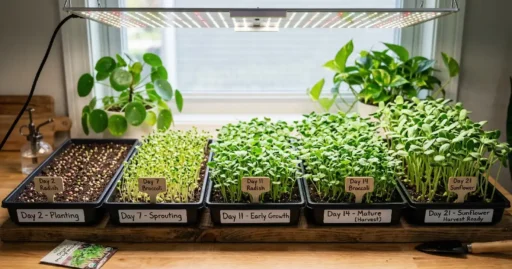
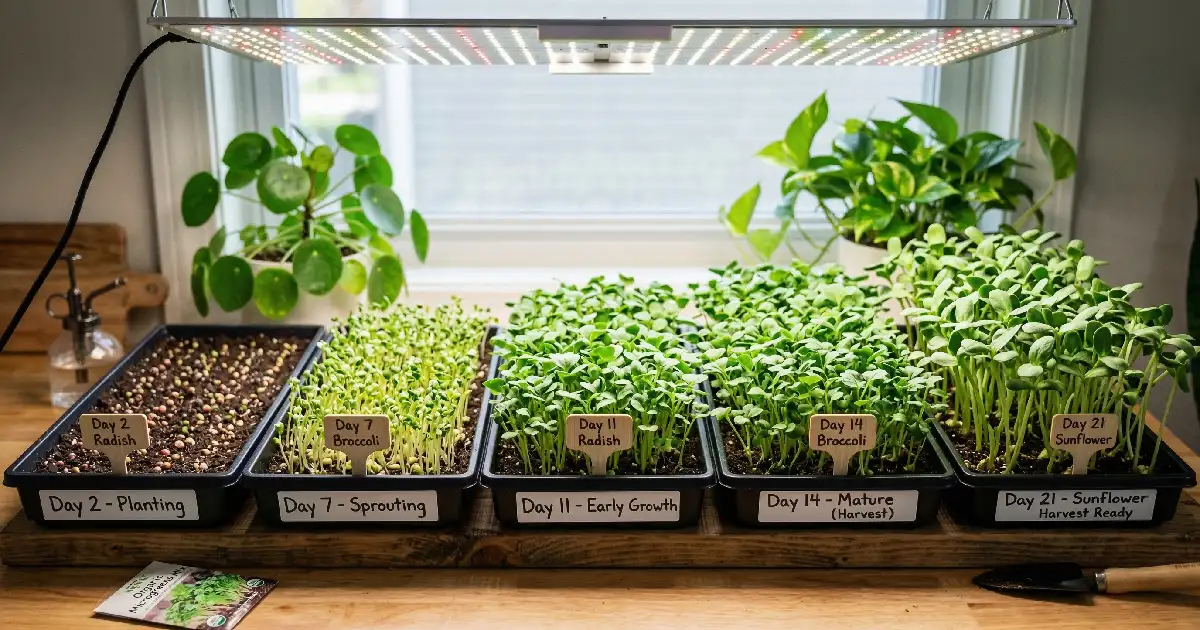
I planted my first tray one morning. Tiny seeds are scattered across the medium. Misted, roots stayed hidden. Tiny green tips peeked up quietly in a few days. Fast growers like radish and arugula pop in 7to 10 days. Medium growers, broccoli and kale, needed 10to 14. Slow growers, basil and herbs, stretched slowly over 14to 21 days. I checked daily. Some mornings, leaves grew fast.
Other days barely moved; the first true leaves appeared before harvest. Height about 1to 3 inches, leaves crisp, stems tender. Harvest felt satisfying; a tiny effort daily gave a big reward. Each tray told a story; indoor gardening felt alive. Watching patterns form quietly taught patience. Nutrition packed in tiny leaves. Flavor popped in salads and sandwiches. Microgreens made food feel fresh and alive.
Introduction
Starting with microgreens is a small, quiet joy. I planted my first tray one morning. Tiny seeds scattered across a damp medium. Misted, roots stayed hidden, days passed, and little green tips peeked. Fast growers like radish and arugula showed up in 7to 10 days. Broccoli, kale slower, 10to 14. Basil and herbs needed patience, 14to 21. Leaves crisp, stems tender, a tiny effort daily brought a big reward.
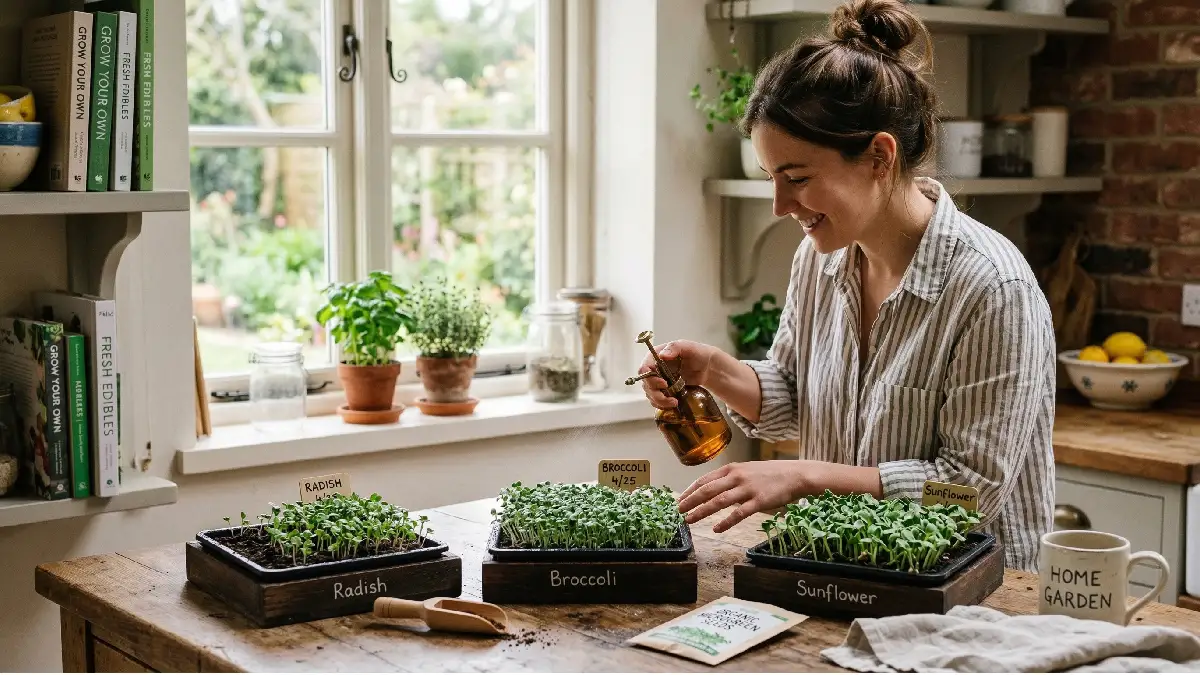
Indoor gardening felt alive, watching patterns form quietly taught patience. Flavor popped in salads and sandwiches. Nutrition packed in tiny leaves, each tray told a story. Microgreens make food fresh and vibrant, and beginners feel confident. Growth rewarded care quietly. Tiny wins appeared every morning, and indoor life suddenly felt lively.
What Are Microgreens?
I opened my first tray slowly, tiny leaves, soft stems, little shoots. Not seeds, not fully vegetables yet, somewhere between. First true leaves peeked quietly. Roots stayed hidden under the medium. Tiny patterns formed naturally, flavors felt bold for their size. Nutrition is packed quietly in small leaves. Vitamins, minerals, antioxidants, all inside. I misted daily, watching growth felt alive.
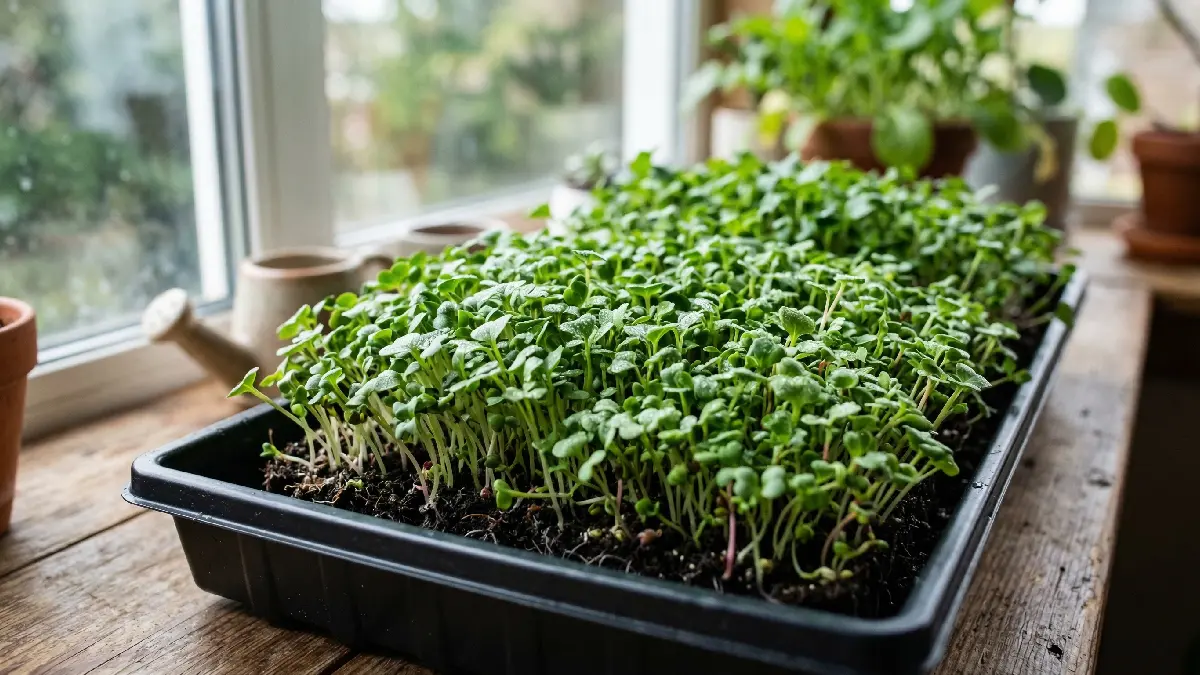
Indoor gardening became fun, and beginners felt confident. Tiny effort each morning gave results fast; each tray told a story. Leaves popped up in color and shape, and meals looked fresh and vibrant. Salads, sandwiches, smoothies, and microgreens made them excited. Indoor life felt lively. Growth rewarded patience quietly; tiny wins appeared daily.
Microgreens vs Sprouts
I used to conf, use microgreens with sprouts. I planted radish once and tried both. Sprouts grow from seeds with just water. No soil, no leaves, tiny stems, only you eat the whole thing, roots included. In a few days, microgreens will be different. They need light, sometimes soil or a growing medium. Roots stay hidden, leaves pop up after a week or two. Flavor is stronger, and nutrition is often higher.
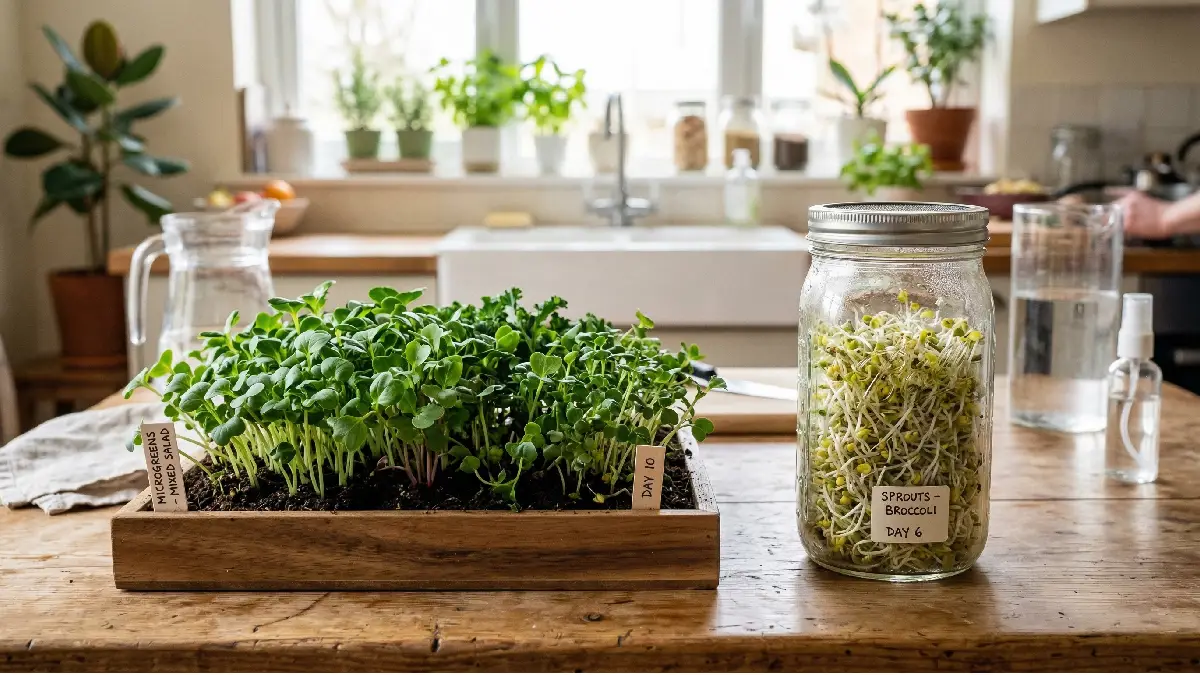
You cut the leaves and stems, not the roots. I liked microgreens better for salads, crisp, fresh, alive. Sprouts were fine for sandwiches or smoothies. Both grow fast, both teach patience. But microgreens feel like real tiny plants. Watching them stretch toward light makes indoor gardening satisfying. Tiny effort, big reward, every tray tells a quiet story.
Why Grow Microgreens at Home
Growing microgreens at home feels alive, tiny seeds, small trays, quick results. I planted one morning, days later, and little green tips peeked. Fast growers popped first, leaves crisp, stems tender. Flavor strong, nutrition high, no garden needed. Just light, water, and patience.
Watching growth daily teaches care. Meals taste fresh and colorful. Salads, sandwiches, smoothies, and tiny greens make them exciting. Indoor life feels lively, each tray tells a story. Tiny effort, big reward, even beginners notice progress fast.
Microgreens Growth Timeline
I planted my first tray one morning. Tiny seeds sat quietly in a damp medium. Day one, nothing moved; I misted. Day three, little green tips peeked up. I smiled. Exciting, small progress, stems stretched slowly. Leaves pushed up quietly, patterns appeared naturally. Roots stayed hidden under the medium. On day five, the leaves looked alive.
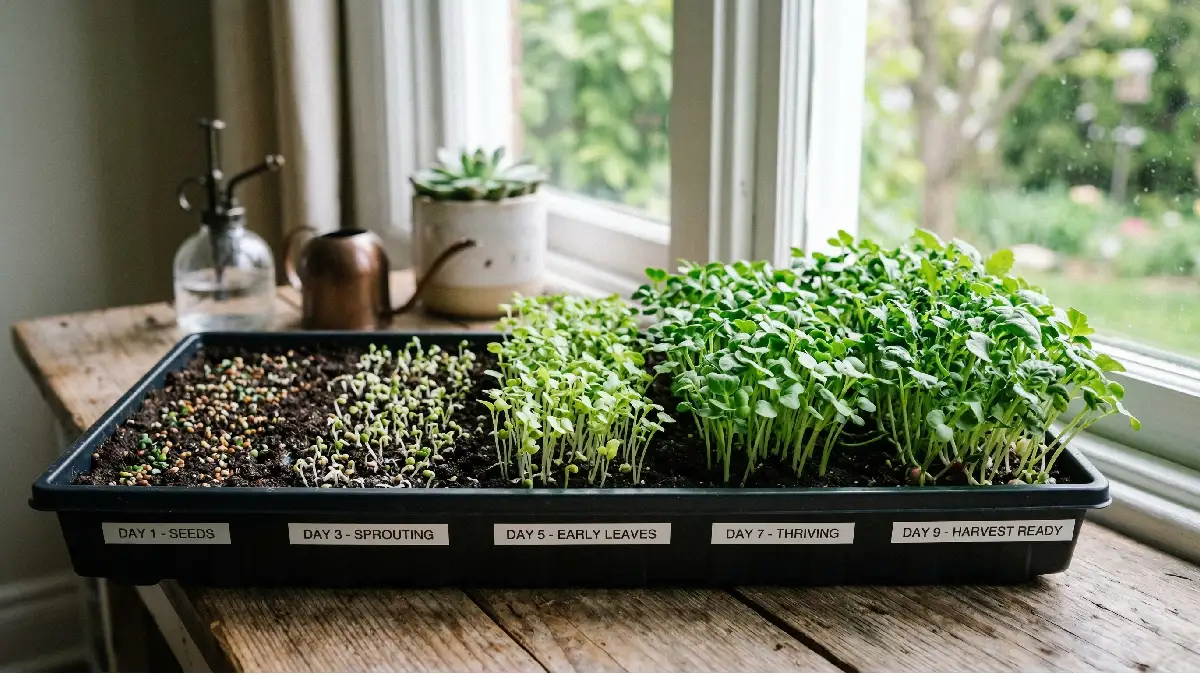
Color bright, tray felt vibrant, I cut a few for a salad. Broccoli and radish grew faster, sunflowers steady. Pea shoots took longer, around two weeks. Watching daily was rewarding, a tiny effort each day. Big payoff quickly, indoor gardening felt calm. Leaves crisp, fresh, meals looked alive. Every day taught patience quietly, and growth felt real.
Seed Germination (2to 3 Days)
I planted my first seeds one morning, tiny, fragile, full of life. I spread them evenly on the growing medium. Misted, day one, nothing happened. Just damp seeds resting quietly. By day two, little green tips started to peek up. Tiny stems, barely noticeable. Day three, most seeds showed small shoots. I watched quietly, fascinated. Patterns appeared naturally. Roots stayed hidden in the medium.
Tiny effort daily, mist lightly every morning. Seed germination is the first exciting step. You see life unfold slowly, and indoor gardening feels alive. Even beginners notice growth fast. Each tiny shoot teaches patience. Leaves haven’t fully formed yet, but nutrition is already packed inside. Watching seeds come alive quietly gives small wins every day.
Growth to First Leaves (5to 10 Days)
By day five, tiny stems stretched quietly; I misted each morning. Leaves started to appear, first true leaves, small, soft, alive. Patterns formed naturally across the tray; some mornings, growth felt fast. Other days barely moved, roots stayed hidden. Tray looked peaceful yet full of life. Broccoli and radish leaves popped up first, sunflower followed steadily.
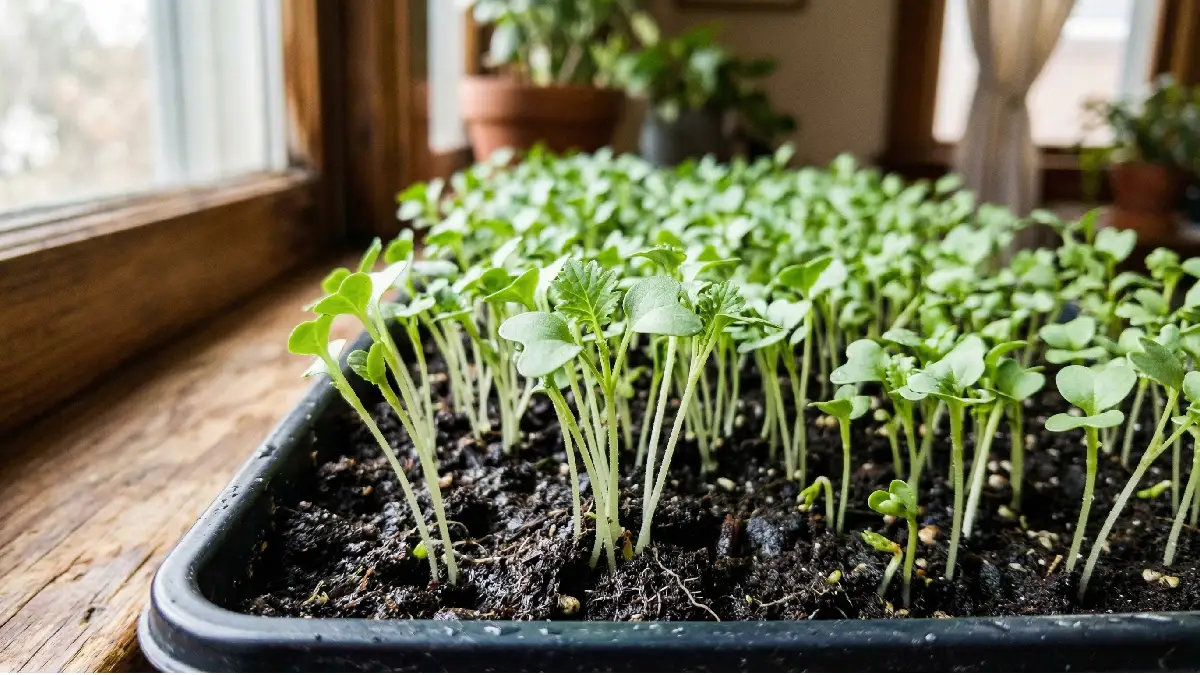
Pea shoots were slower, taking extra days. I cut a few tiny leaves to taste, crisp, fresh, vibrant. Nutrition is already packed inside; daily care was minimal. Tiny wins appeared every morning, and indoor gardening felt calm. Watching leaves push up slowly taught patience. Each tray told a quiet story, tiny effort, big reward, growth felt real.
Ready to Harvest (7to 21 Days)
Around day seven, tiny leaves looked full and crisp. I checked my tray every morning. Some shoots popped up fast; others were slower. Broccoli, radish, and sunflower all grew differently. Pea shoots often took extra days, so I grabbed scissors. Cut leaves just above medium, roots stayed hidden quietly. Fresh, vibrant, alive, I tossed them on salads, sandwiches, and smoothies.
Flavor strong, nutrition packed in tiny leaves, misting daily helped. Watching leaves stretch felt calm and satisfying. Each tray told a quiet story; tiny efforts became routine. Indoor gardening felt alive, rewarding. Patterns appeared naturally, small wins every morning. Microgreens taught patience, little effort, big payoff.
How Light, Water & Conditions Affect Growth
I placed my first tray near the window. Morning sun touched the leaves gently. Some mornings, growth seemed fast. Other days, slow, I tried LED lights indoors too. Leaves stretched evenly, patterns appeared quietly. Watering felt tricky, too much, and the roots suffered. Too little, leaves slowed, I misted each day. Medium stayed damp, not soggy. Some kits had bottom watering, and roots drank slowly.
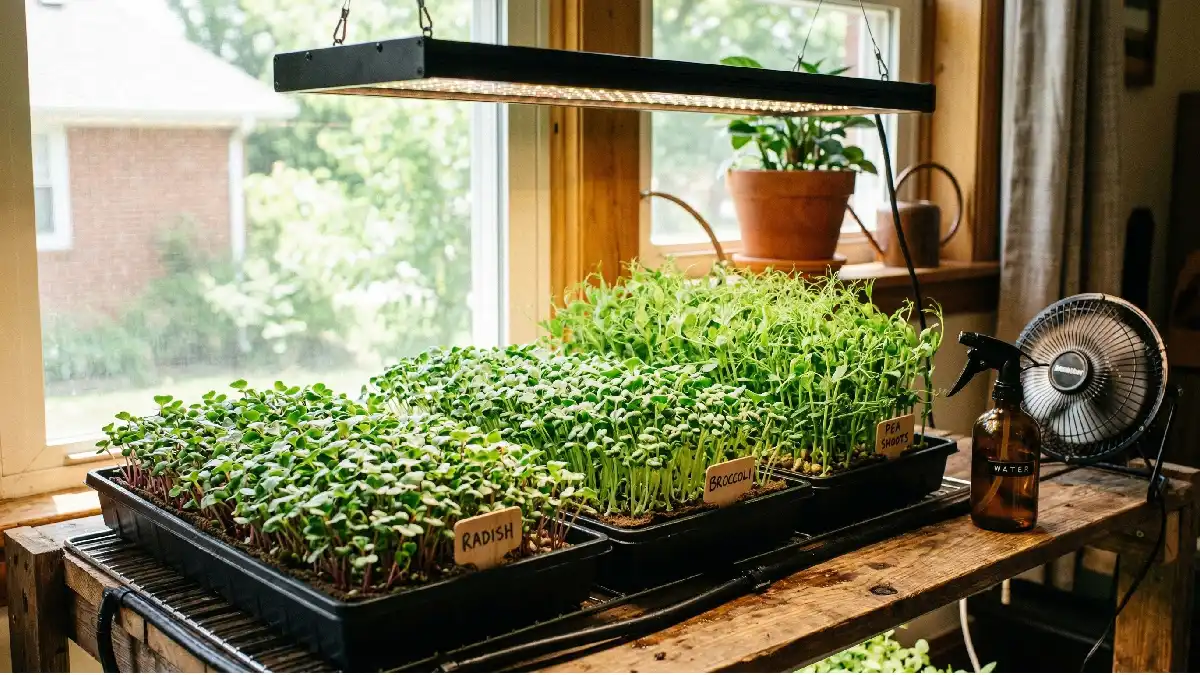
Leaves stayed bright, crisp, and temperature mattered too. Warmth helped shoots push up; too cold, growth paused. Humidity domes helped at first. Lifted them after a few days, the air reached the leaves. Sprouts felt alive; tiny daily care made a big difference. Indoor gardening became calm and satisfying. Every tray taught patience, subtle observation, and tiny wins.
Light Requirements
I placed my first tray near the kitchen window. Morning sun touched the leaves softly. Some mornings, growth felt fast. Other days, slow patterns appeared quietly across the tray. I tried LED lights indoors too. Leaves pushed up evenly. No roots burned, no leaves drooped. Light mattered more than I thought. Too little, stems stretched thin, too much, leaves curled a little.
I rotated trays sometimes; each side got some attention. Microgreens love brightness, not harsh sun, just steady light. Even small trays on counters do fine, tiny daily care, mist lightly. Watching leaves stretch toward light felt alive. Indoor gardening became calm. Leaves stayed crisp, and growth appeared naturally. Every tray told a quiet story of patience and reward.
Watering Tips
I overwatered my first tray once, and the leaves turned soft. Roots looked unhappy, but learned quickly. Mist lightly every morning, keep medium damp, not soggy. Tiny droplets reach all corners; some kits let you fill the water. Roots drink slowly from the tray, leaves stay bright, crisp. I checked daily, some mornings the soil looked dry, others perfect. Patterns appeared naturally, sprouts pushed up quietly.
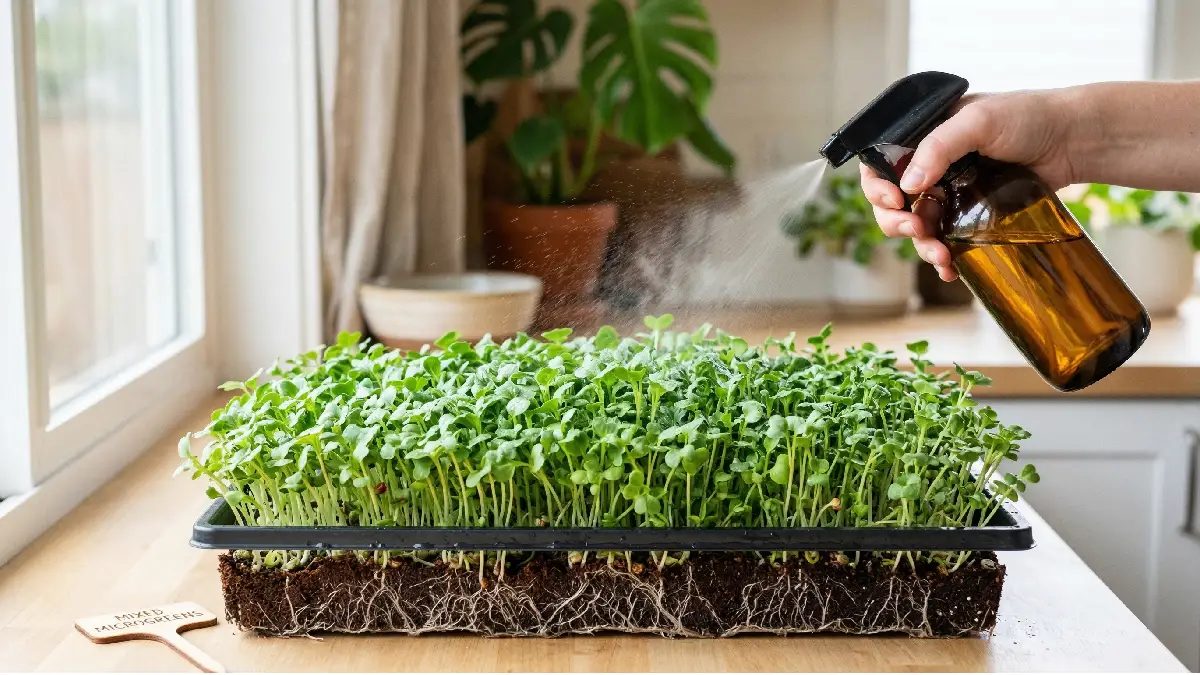
Watering became a small daily habit, a tiny effort. Big payoff, kids peeked often, leaves stayed alive and fresh. Indoor gardening felt satisfying, but too much water can harm it. Too little slows growth; the right balance teaches patience. Each tray tells a quiet story. Every mist makes leaves stretch toward light. Nutrition stays packed, growth feels alive. Tiny wins appear each morning.
Temperature & Humidity
I noticed my tray felt slow on chilly mornings. Leaves stretched slowly, and growth paused a bit. Warmth helped shoots push up quietly. Microgreens like cozy conditions. Not too cold, not too hot, humidity domes helped at first. I lifted them after a few days, and air reached the leaves. Roots stayed happy, tiny droplets formed naturally. Mist lightly under the dome. Patterns appeared quietly, and indoor gardening felt alive.
Each tray responded differently. Some mornings, growth seemed fast. Others were slow; I adjusted placement sometimes. Daily care was small, leaves stayed crisp, and nutrition stayed high. Watching sprouts stretch toward light taught patience. Tiny effort each day, big payoff in a week or two. Every tray told a quiet story. Microgreens felt alive under the right temperature and humidity.
Faster vs Slower Microgreens
I noticed each microgreen has its own pace. Radish and arugula popped up fast. Tiny green tips showed in less than ten days. I checked trays every morning, leaves crisp, stems tender. Quick payoff felt exciting, and broccoli and kale grew steadily. Ten to fourteen days, leaves stretched quietly toward the light. Roots stayed hidden under the medium. I misted every morning, and indoor gardening felt alive.
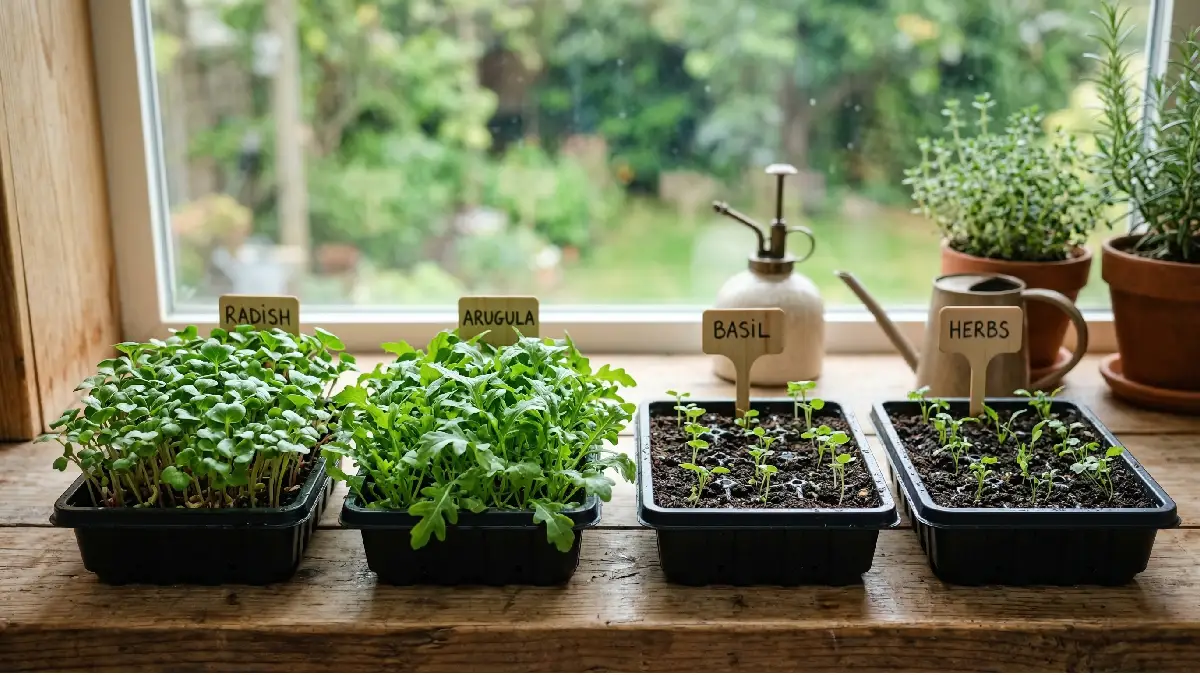
Patterns formed naturally across the tray. Slow growers, basil and herbs, needed patience. Fourteen to twenty, one day before harvest. Tiny shoots pushed slowly. Watching them taught patience differently. Each tray told a small story, flavor, packed in small leaves. Tiny daily effort gave a big reward. Growth rewarded care and observation quietly.
Fast, Growing Microgreens
Radish microgreens were my first fast grower. I planted them on a quiet morning. A few days later, tiny green tips peeked up. Exciting, small progress, I checked daily, missed. Leaves stretched quietly toward light. Broccoli followed closely, and growth felt steady. Sunflower came next; each type had its rhythm. Fast-growing microgreens give quick rewards. You cut leaves sooner. Eat them fresh.
Nutrition stayed high in tiny leaves. Roots stayed hidden under the medium. Indoor gardening felt alive. Watching quick sprouts pop up teaches patience differently. Tiny effort daily, big payoff in flavor, each tray tells a quiet story. Leaves crisp, fresh, patterns form naturally. Even beginners notice fast results, tiny wins every morning. Microgreens felt alive under your care.
Medium, Growing Microgreens
Broccoli and sunflowers are medium growers. I planted them together one morning. Tiny seeds sat quietly in the tray. Day three, small tips peeked up, exciting, slow progress. I checked every morning, misted. Leaves stretched steadily toward the light. Broccoli grew in a calm rhythm, and the sunflower followed its own pace. Roots stayed hidden under the medium. Daily care was small, and patterns appeared naturally.
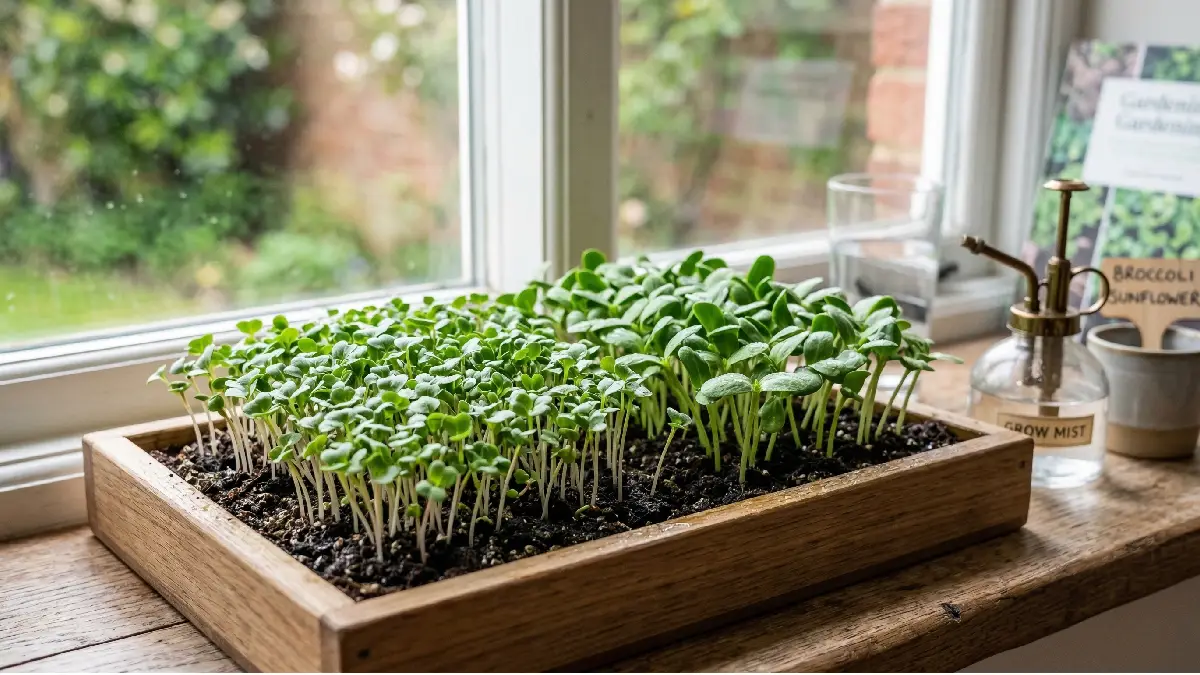
Indoor gardening felt alive, medium, growing microgreens teaches patience. You wait a little longer, but the reward feels satisfying. Leaves stay crisp, fresh, and packed with nutrition. Watching them stretch quietly every day gives tiny wins. Each tray tells a small story, effort feels gentle. Harvest feels earned, and indoor life suddenly feels vibrant. Tiny effort daily, big payoff weekly.
Slow, Growing Microgreens
Pea shoots and some kale varieties grew slowly. I planted them on a quiet morning. Tiny seeds rested under the medium. Day four, almost nothing moved. Tiny green tips peeked only after several days. Watching felt patient work, roots stayed hidden. Leaves stretched quietly toward light. I misted each morning, and growth felt calm. Indoor gardening became a slow, gentle routine. Some mornings nothing seemed to happen.
Other mornings, tiny patterns formed across the tray. Slow growers teach patience differently. You wait longer, but the harvest feels earned. Leaves crisp, fresh, full of flavor and nutrition. Each tray told a quiet story, a tiny effort daily. Big payoff eventually. Watching shoots push up slowly gave satisfaction. Indoor life felt alive; microgreens showed life in small, gentle steps.
Step-by-Step Quick Guide to Growing Microgreens
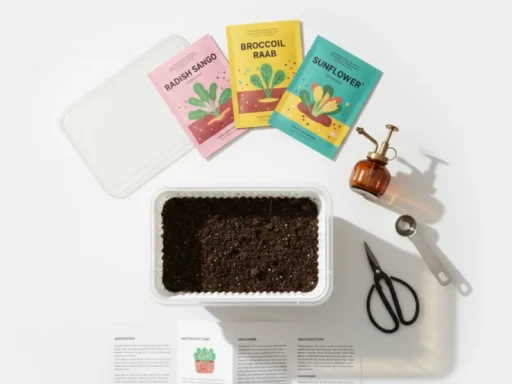
I opened my first kit one morning. Tiny seeds, tray, medium, all ready. Spread medium evenly. Not too thick, not too thin. Seeds sprinkled on top. Pressed gently. Misted. Tray sat near the window. Morning sun touched leaves softly. Some days, growth felt fast. Other days barely moved. Checked daily. Tiny green tips peeked quietly. Roots stayed hidden under the medium. Daily misting kept leaves healthy.
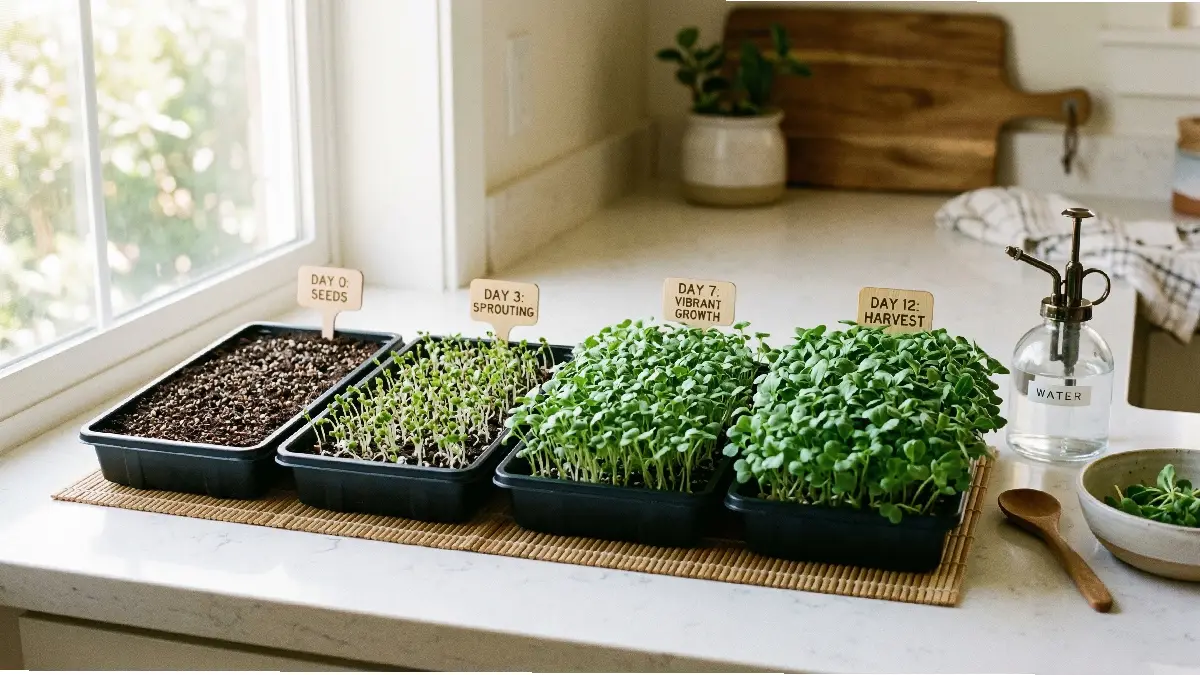
Indoor gardening felt alive; each tray told a story. Tiny wins appeared every morning. By day ten, most microgreens were ready to harvest. Leaves crisp, stems tender, flavor, packed, nutrition high. Tiny effort daily, big payoff, watching them grow quietly taught patience. Microgreens made indoor life lively. Each tray gave satisfaction, growth felt real, rewarding.
Step 1: Prepare Tray & Soil
I opened my first tray one morning, tiny seeds, medium, tray all ready. Spread medium evenly, not too thick, not too thin. Roots need space; the tray sat on the counter near the window.
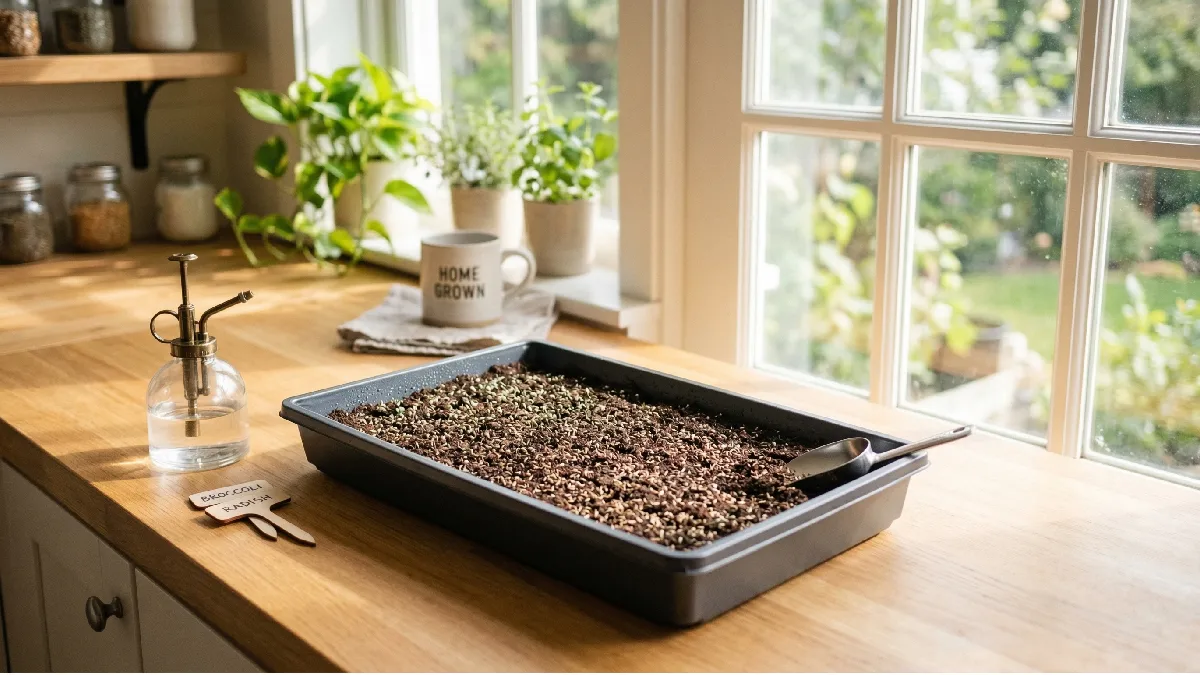
Morning light touched the surface softly, misted. Patterns started appearing quietly after a few days. Indoor gardening feels alive, daily care is tiny, and rewarding. Each tray told a small story.
Step 2: Spread Seeds & Germinate
I sprinkled seeds evenly, pressed lightly so they touched the medium. Roots stayed hidden, misted gently. Some seeds popped fast, others slowly. Checked daily, tiny green tips peeked quietly, and indoor life felt lively.
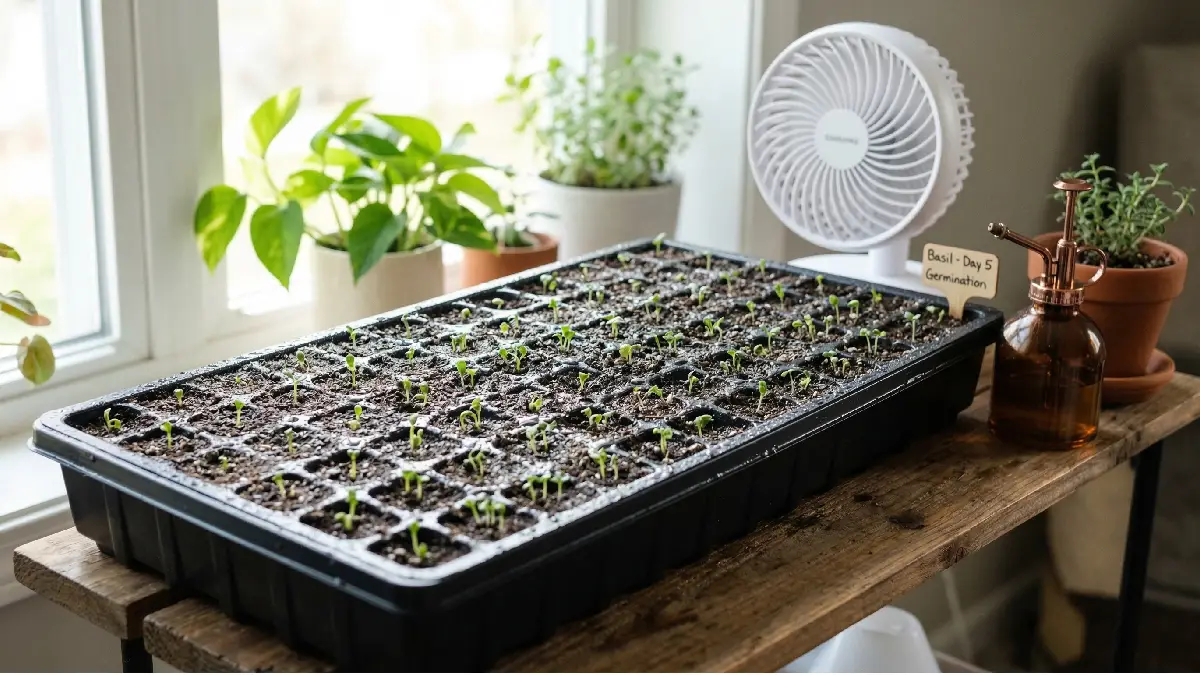
Seeds responded to care, patterns formed naturally. Tiny wins appeared every morning, watching seeds germinate taught patience. Small daily effort, big payoff later.
Step 3: Provide Light Once Sprouts Appear
Sprouts pushed up quietly. I moved the tray closer to the window. Morning sun touched the leaves. Some days light seemed soft, other days stronger. I misted, leaves stretched steadily toward the light.
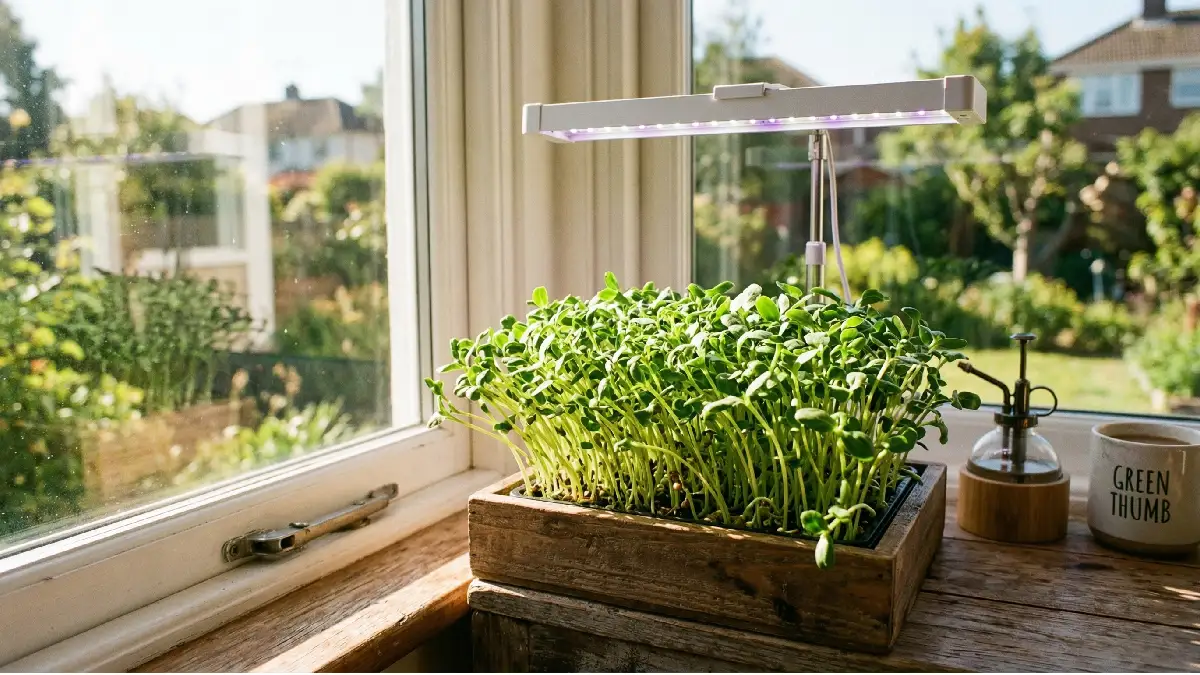
Patterns appeared naturally, and indoor gardening felt alive. Tiny effort daily, growth felt rewarding. Nutrition stayed packed in small leaves. Microgreens looked vibrant, tiny wins every morning.
Step 4: Harvest at Correct Height
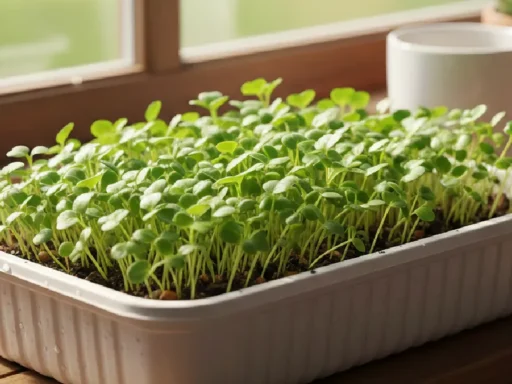
Leaves reached about 1to 3 inches, first true leaves were visible. I grabbed the scissors carefully and cut just above medium. Only what I needed, roots stayed hidden, leaves crisp, stems tender.
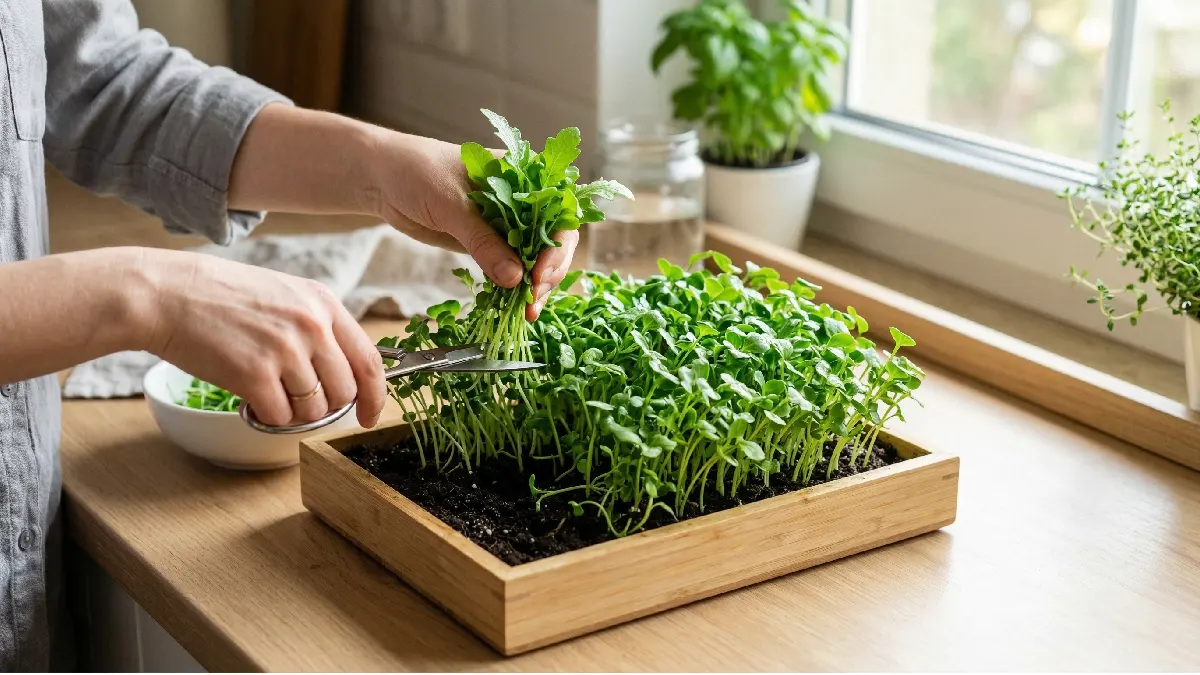
Harvest felt satisfying, tiny daily care rewarded with fresh, flavorful greens. Each tray told a story, and microgreens made indoor life lively. Nutrition, packed, tiny effort, big payoff.
When Should You Harvest?
I checked my first tray every morning, and tiny leaves peeked up slowly. Some shoots are ready faster; radish popped first. Broccoli followed a few days later, and pea shoots needed extra time. Leaves felt crisp, stems tender. Roots stayed hidden quietly under the medium. I grabbed scissors and cut just above the surface. Only what I needed, fresh, alive, full of nutrition.
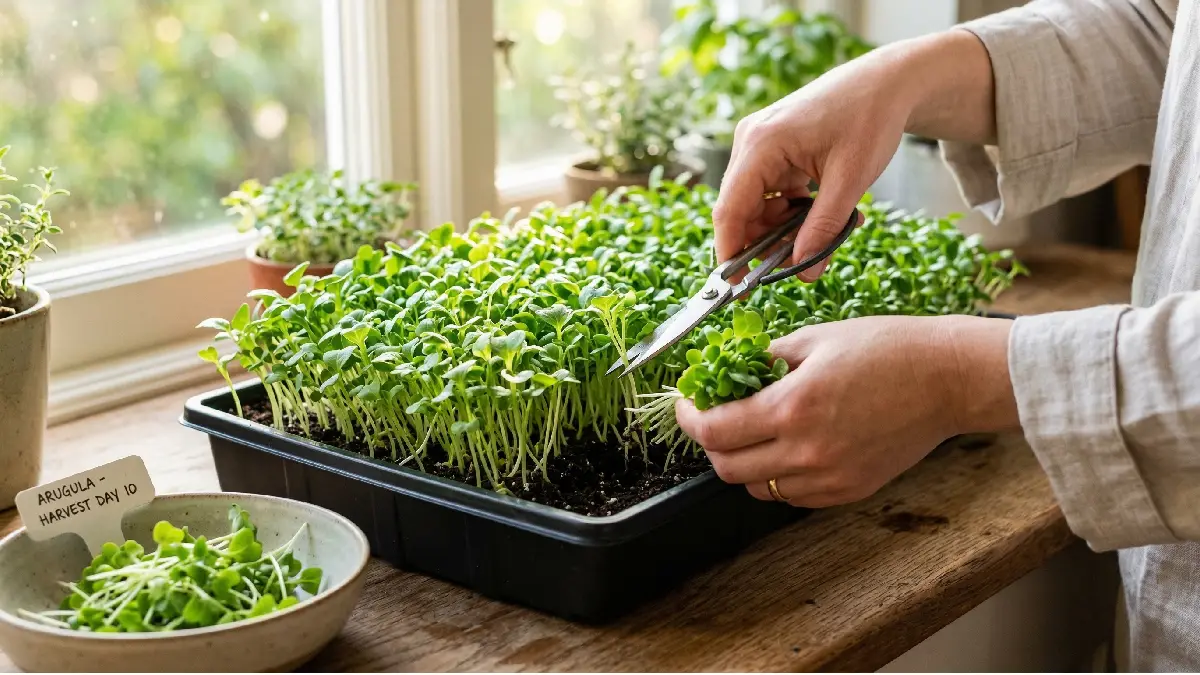
Small tray, big payoff, timing mattered. Too early, leaves were tiny, mild flavor. Too late, stems toughened, I learned to watch patterns quietly. Daily care helped, and indoor gardening felt alive. Each tray told a story, tiny wins every day. Microgreens looked vibrant, and meals tasted fresh. Cutting felt satisfying, and growth rewarded patience gently.
Signs Microgreens Are Ready
I checked my first tray daily, tiny leaves peeked up quietly. Then, the first true leaves appeared, not just cotyledons anymore. Small, tender, alive, height usually 1to 3 inches. Some sprouts taller, some shorter, patterns formed naturally across the tray. Leaves felt crisp, stems are soft but strong. Roots hidden under the medium. I touched gently, ready to cut, each tray told a small story.
Misting stayed light, growth felt alive. Tiny wins appeared every morning. Nutrition packed in small leaves. Flavor popped in salads, sandwiches, and smoothies. Indoor gardening felt real. Watching microgreens push up quietly taught observation and care. Tiny effort, reward big, every tray made indoor life lively. Patterns appeared naturally, microgreens looked fresh, vibrant, alive.
Optimal Harvest Timing for Different Microgreens
I noticed each type had its own pace. Fast growers like radish and arugula popped up in 7to 10 days. Tiny green tips appeared quickly, and I checked daily. Leaves crisp, stems tender, ready to cut sooner. Medium growers, broccoli and kale, took 10to 14 days. Growth felt steady, patterns appeared naturally. Roots stayed hidden under the medium, leaves stretched quietly toward the light.
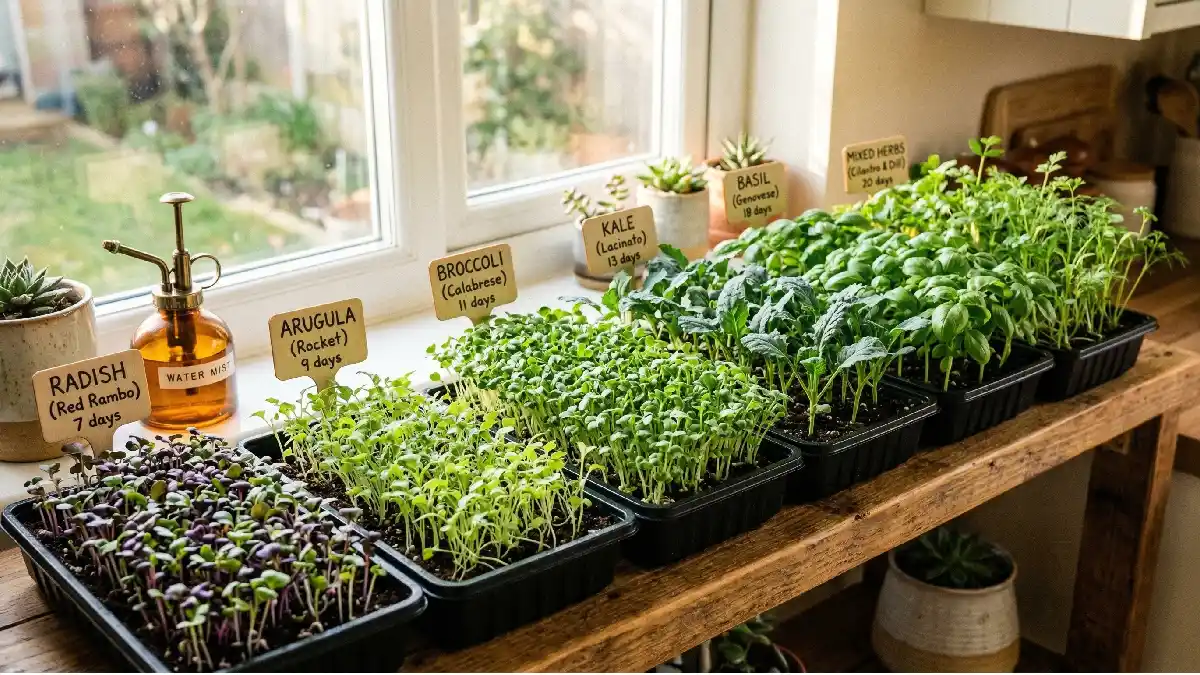
I misted gently every morning. Slow growers like basil and herbs needed patience. 14to 21 days before harvest, tiny shoots stretched slowly. Watching them taught patience differently. Daily care stayed small. Each tray told a story. Leaves pack flavor and nutrition, and indoor gardening feels alive. Tiny effort daily, big payoff at harvest, growth rewarded patience quietly.
Tips to Avoid Overgrowth or Spoilage
I learto ned quickly harvest microgreens promptly at peak flavor. Leaves crisp, stems tender, wait too long, stems stretch. Leaves wilt quietly, tiny shoots lose freshness. I checked trays daily, cut only what I needed. Fast growers like radish pop first. Medium growers take steady time. Slow growers, basil and herbs, need patience. Overgrowth felt wasteful; Iso trimmed carefully.
Roots stayed hidden under the medium. Misting stayed light, avoiding a soggy medium. Too much water invites mold, and indoor gardening felt calm, alive. Tiny daily effort gave big payoff; each tray told a story. Flavor stayed strong, and nutrition is packed in every leaf. Watching growth taught observation, care, and patience. Microgreens stayed fresh, alive, and vibrant.
Best Practices for Cutting and Storing
I grabbed the scissors for the first time and cut just above the middle. Leaves crisp, stems tender, tiny effort daily, big payoff. Only cut what I needed, roots stayed hidden quietly. Each tray told a story. After cutting, I stored microgreens carefully. A dry, ventilated container worked best. Leaves stayed fresh longer. I avoided squeezing or overcrowding. Some mornings, I checked the moisture.
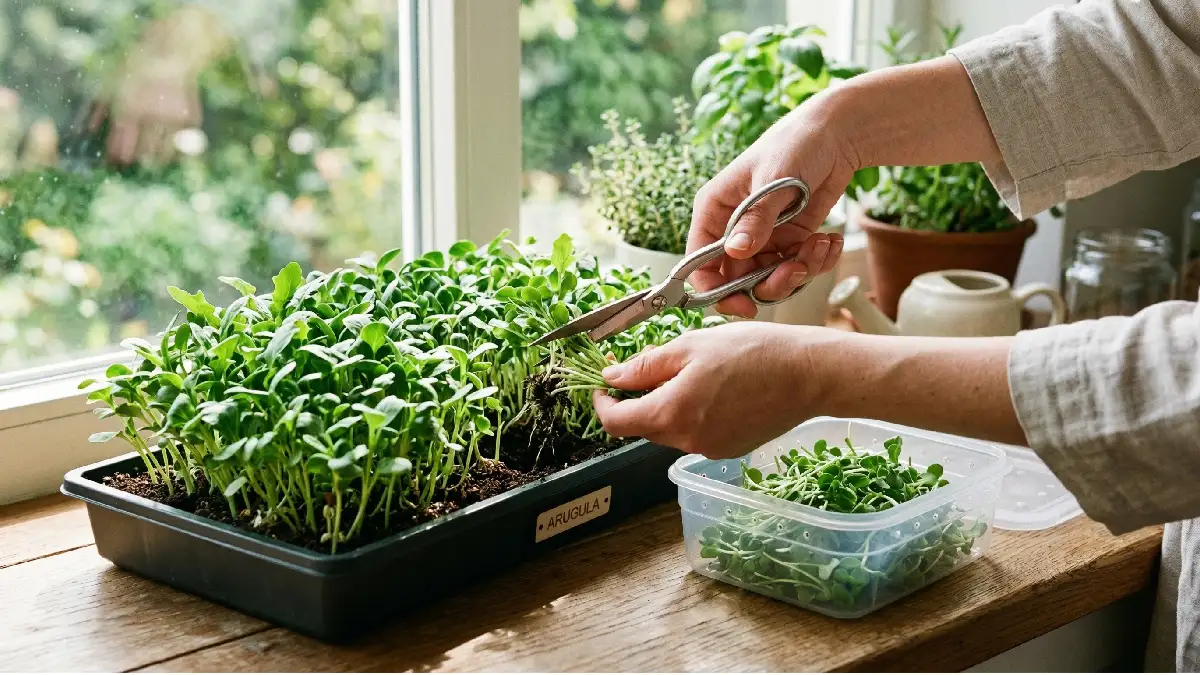
Tiny droplets on leaves are removed gently. Indoor gardening felt alive, nutrition stayed packed. Flavor popped in salads and sandwiches. Watching growth, cutting, and storing taught patience. Tiny effort daily, big payoff every meal, each tray rewarded with care quietly. Leaves stayed crisp, vibrant, alive, and microgreens felt real. Indoor life seemed lively; tiny wins happened every day.
FAQs: Frequently Asked Questions
How long does it take microgreens to grow?
I planted a tray, tiny seeds poked up in 7to 14 days. Radish fast, basil slow, mist daily, leaves crisp. Roots hidden, growth felt alive. Tiny effort, big payoff.
Can I grow microgreens in winter?
I tried winter indoors, tray near the window, some LED help. Medium warm, mist gently, growth slows sometimes. Tiny leaves popped healthy. Indoor gardening felt alive, patterns appeared naturally.
Do microgreens grow faster with more light?
Sprouts reach for light, lED or sun works. Too much dry medium, daily check helps. Tiny effort keeps leaves crisp, growth responds quietly. Patterns form naturally across the tray.
Why are mine growing slowly?
Seeds crowded, low light, water off. Roots struggle, mist daily, leaves stretch slowly. Some mornings, tiny tips appear, patience teaches. Growth feels alive, indoor gardening is quiet but rewarding.
Can microgreens regrow after harvesting?
I cut above medium, roots stay hidden. Some basil sprouts lightly. Most won’t regrow fully, next tray better. Fresh leaves daily, tiny effort, big reward, indoor life lively.
Conclusion
Wondering how long microgreens take to grow? I planted tiny seeds one morning. Misted, watched quietly, fast growers popped up in 7to 10 days. Slow ones stretched over 14to 21, leaves crisp, stems tender. Flavor, packed, indoor gardening felt alive. Every tray told a story, a tiny effort daily. Big payoff, nutrition stayed high. Watching sprouts push up taught patience.
Cutting at peak flavor felt satisfying, and kitchen corners turned green. Tiny wins showed up every morning, and meals looked fresh. Microgreens gave color, taste, and health; beginners felt confident. Life felt vibrant, care, observation, and patience all came quietly. Each harvest felt earned, tiny daily effort, big reward. Green leaves, alive and fresh, made indoor life satisfying.