
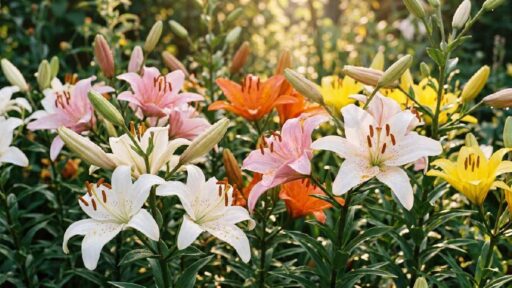
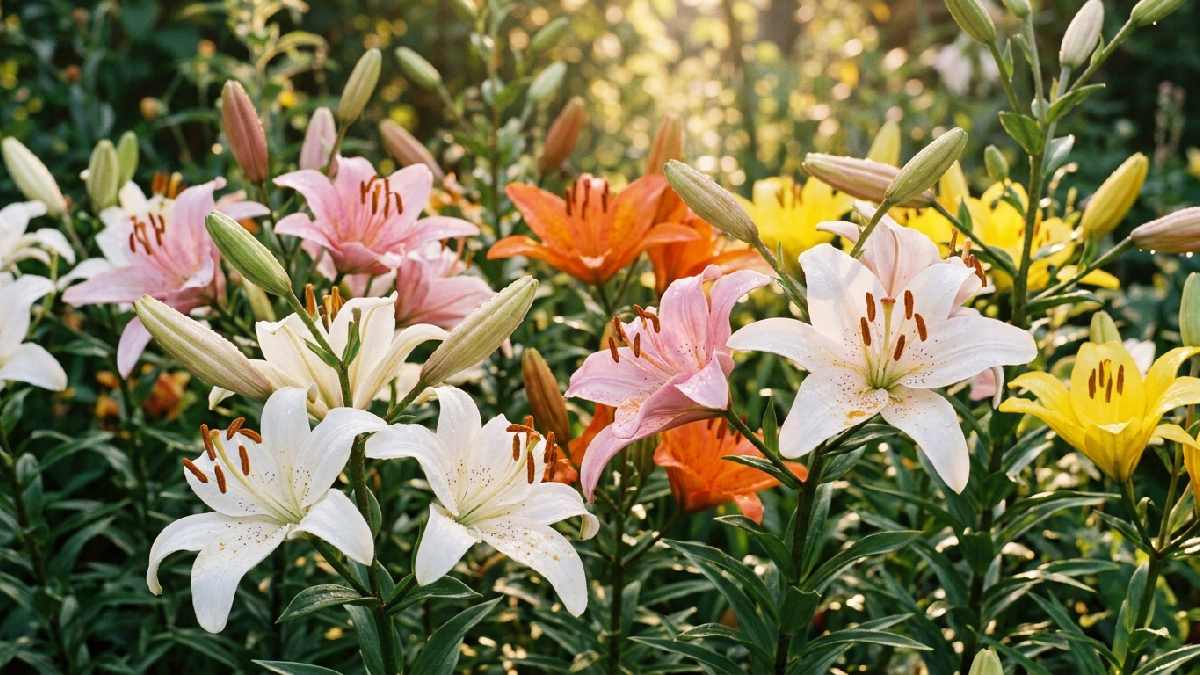

You have probably noticed a lily flower sitting on a wedding table, or maybe in a church, or even kind of showing off growing tall along a neighbor’s fence, and you think to yourself “how is it that this thing looks so easy?” right? Surprise, it usually is. Lilies are actually pretty tough, long-lived plants once they get the right start, and not just in theory. But the annoying part is how most people buy bulbs, or a bouquet, with out really checking what they need then the outcome is disappointing, like no blooms, rotten bulbs, or the petals that droop after like three days, and everyone acts shocked.
So this guide is sort of built to fix that. You’ll get the real meaning of a lily flower, you’ll see how the main types differ, you’ll learn when and how to plant the bulbs, how to care for them through the seasons, and how to keep cats and other pets safe. Each section is in plain language, plus practical little examples, so you can act the same day instead of “sometime later”.
If you only have a minute, here’s the short version. A lily flower wants sun on its head, cool, well-drained soil around its roots, and planting depth about three times the height of the bulb. Get those three things right and everything else feels a lot less confusing.
What Is a Lily Flower? The Basics Explained
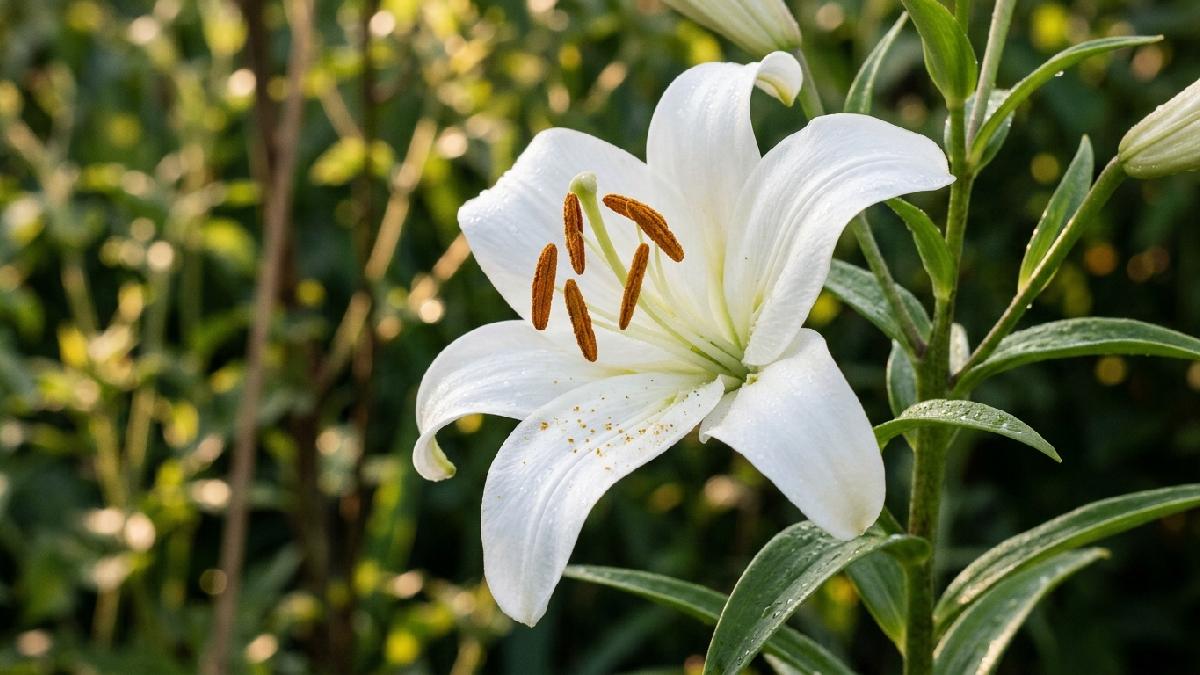
A lily flower is the bloom from a plant in the genus Lilium, and it belongs to the Liliaceae family. There are around 100 species of true lilies, and they’re found naturally across Europe, Asia, and North America. Gardeners have been mixing and crossing them for more than a century, which is why you see thousands of named varieties at garden centers now.
Each plant starts from a bulb made of overlapping, fleshy scales, kinda like a small artichoke, if you know what I mean. One upright stem comes up from the bulb and it’s covered in narrow leaves that spiral as they go upward. At the top, you can get from one bud up to more than twenty, and those open into trumpet-, bowl-, or star-shaped blooms. They have six petal-like parts called tepals. Inside, you’ll find long stamens with rusty pollen and one central pistil.
Quick Answer: How Do You Know It Is a True Lily?
A true lily grows from a scaly bulb, the leaves sit along the stem (not just from the base), and the flowers come with six tepals. Plants like peace lilies, calla lilies, and water lilies get lumped in the name “lily” a lot, but they’re in entirely different plant families.
Plants Often Mistaken for a Lily Flower
Name confusion is where the trouble starts, especially if you have pets, so here’s the difference in a simple way:
- Daylily (Hemerocallis): Grows from fibrous roots, has strappy leaves rising from the base, and each bloom lasts just one day.
- Calla lily (Zantedeschia): Grows from a rhizome and has a single funnel-shaped spathe instead of true petals.
- Peace lily (Spathiphyllum): A common houseplant with white spathes, plus glossy green leaves.
- Water lily (Nymphaea): An aquatic plant with round pads floating on ponds.
None of those are true lily flowers. They’re still lovely, and some are easier to keep indoors, but the care tips and safety rules are not the same.
Lily Flower Meaning and Symbolism
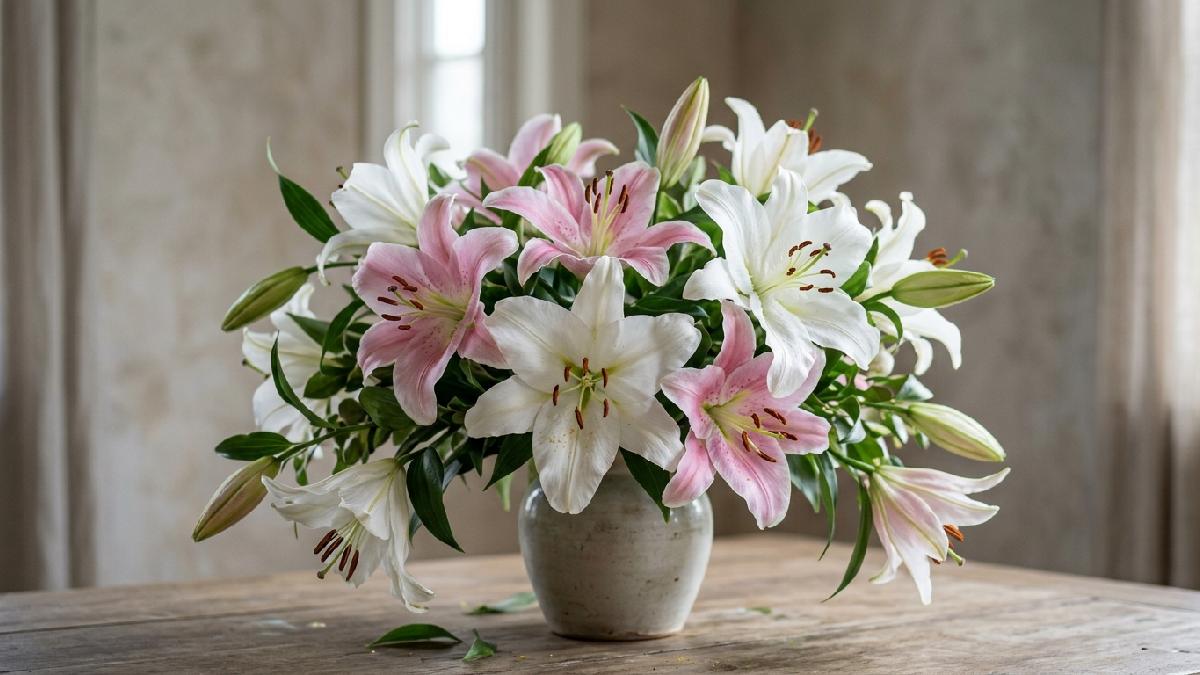
People have given lilies meaning for thousands of years. Ancient Greeks tied them to Hera, queen of the gods. Early Christians used the white Madonna lily to point to the purity of the Virgin Mary, and the Easter lily still shows up in churches every spring. In Chinese tradition, the lily is linked to a long, happy marriage, because the bulb name sounds like “a hundred years of harmony.”
Nowadays, a lily flower usually signals purity, renewal, devotion, and at funerals, the “restored innocence” of the soul. That’s why white lilies are a go-to for sympathy arrangements. But the message can shift a lot based on color and setting.
Lily Flower Meaning by Color
- White: Purity, peace, remembrance, and sympathy.
- Pink: Admiration, prosperity, and gentle affection. Stargazer is one of the best-known pink types.
- Orange: Passion, confidence, and energy. Tiger lilies are the classic example.
- Yellow: Gratitude and cheerfulness, often used to say thank you.
- Red: Deep love and strong desire, even if it’s rarer than roses for this kind of message.
When Is a Lily Flower a Good Gift?
Lilies fit anniversaries, Mother’s Day, housewarmings, and funerals. They also have a strong scent, so check that the person isn’t dealing with allergies, or scent-triggered headaches. Most of all, ask whether the recipient has a cat. The safety part below explains why that one question matters so much.
Popular Types of Lily Flower You Can Grow

Growers group lilies based on parentage and bloom shape. You don’t need to memorize all nine categories. These five groups cover almost everything you’ll see at a nursery. Picking the right lily flower comes down to three things: your climate, how much sun you get, and how much fragrance you can tolerate.
Asiatic Lilies
Asiatic lilies are the easiest to grow. They bloom early, usually in June and July, with bright shades like orange, yellow, pink, red, and white. Most have little or no scent, they typically grow two to four feet tall, and they handle cold winters in zones 3 to 9. They also multiply quickly. If someone asks which lily flower is best for a first-time gardener, this is the one.
Oriental Lilies
Oriental lilies bloom late summer and they’re known for big flowers with heavy scent. Stargazer and Casa Blanca are two of the most familiar varieties. They grow about two to four feet tall and prefer slightly acidic, well-drained soil in zones 5 to 9. They don’t like “wet feet”, so drainage matters more here than with almost any other type.
Trumpet and Aurelian Lilies
These lilies grow tall and bloom in mid-summer. Some reach up to six feet. Their trumpet shapes carry a rich fragrance, especially in the evening. Aurelians are basically a cross between trumpet and Asiatic types, so they’re hardy and energetic growers. Taller plants often need staking so they don’t flop.
Easter Lilies
Lilium longiflorum makes pure white trumpets and you usually see it sold in pots every spring. After the blooms fade, you can plant the bulb outdoors in zones 5 to 9. In most cases it’ll flower again later in summer in future years, when its natural timing takes over.
Tiger Lilies
Lilium lancifolium kinda does its own thing, orange petals with darker little spots, plus those tiny black bulbils that sit along the stem. It spreads pretty easily, and some gardeners are like “yes please” while others kinda side-eye it. Also, tiger lilies can carry viruses where nothing looks wrong at first, but nearby lilies still get hurt, so try to keep them away from your favorite collection, even if it feels a bit extra, ya know.
| Type | Bloom Time | Scent | Height | Best For |
|---|---|---|---|---|
| Asiatic | Early summer | Light or none | 2–4 ft | Beginners, borders |
| Oriental | Late summer | Strong | 2–4 ft | Cut flowers, fragrance |
| Trumpet/Aurelian | Mid-summer | Strong | 4–6 ft | Back of the border |
| Easter | Spring (potted) | Sweet | 2–3 ft | Indoor gifts |
| Tiger | Mid to late summer | Light | 3–5 ft | Naturalizing |
How to Plant a Lily Flower: pretty much the step-by-step part

Planting is usually where things go wrong, and a few small choices decide whether your bulbs bloom or rot.
Best time to plant

Go for fall, about six weeks before the ground fully freezes, or early spring after the last hard frost. Unlike tulips, lily bulbs don’t really have that protective papery skin, so they dry out in a hurry. Plant them soon after you buy them, don’t leave them sitting in a warm car or a garage, even “for a minute”.
Pick the right spot

- Sun: give them at least six hours of direct light. Lilies want their faces in sun, and their “feet” in shade, so put low buddies near them like catmint, lavender, or hostas to keep the soil cooler.
- Drainage: standing water is basically the number one bulb killer. If you’ve got heavy clay, use a raised bed or mix in coarse sand and compost, because letting it sit soggy is a bad plan.
- Soil pH: 6.0 to 7.0 works for most types, but orientals tend to like slightly acidic soil.
- Shelter: some tall kinds snap in strong wind, so choose a more protected corner, not the most exposed one in your yard.
Step-by-step planting

- Loosen the soil about 12 inches down, then work in compost.
- Dig a hole roughly three times as deep as the bulb is tall, usually around 6 to 8 inches.
- Add a thin layer of sand at the bottom, just to encourage drainage; it helps the water move along.
- Set the bulb pointed side up. Spread roots if they’re showing, then cover with soil.
- Space bulbs 8 to 12 inches apart. Groups of three to five often look the best, and they fill in nicer.
- Water once really thoroughly, then put down about 2 inches of mulch on top.
How deep should you plant a lily flower bulb? About three times as deep as the bulb is tall, which is typically 6 to 8 inches. Deeper planting shields the roots and helps the stem grow sturdy and steady, not wobbly.
Growing lilies in pots
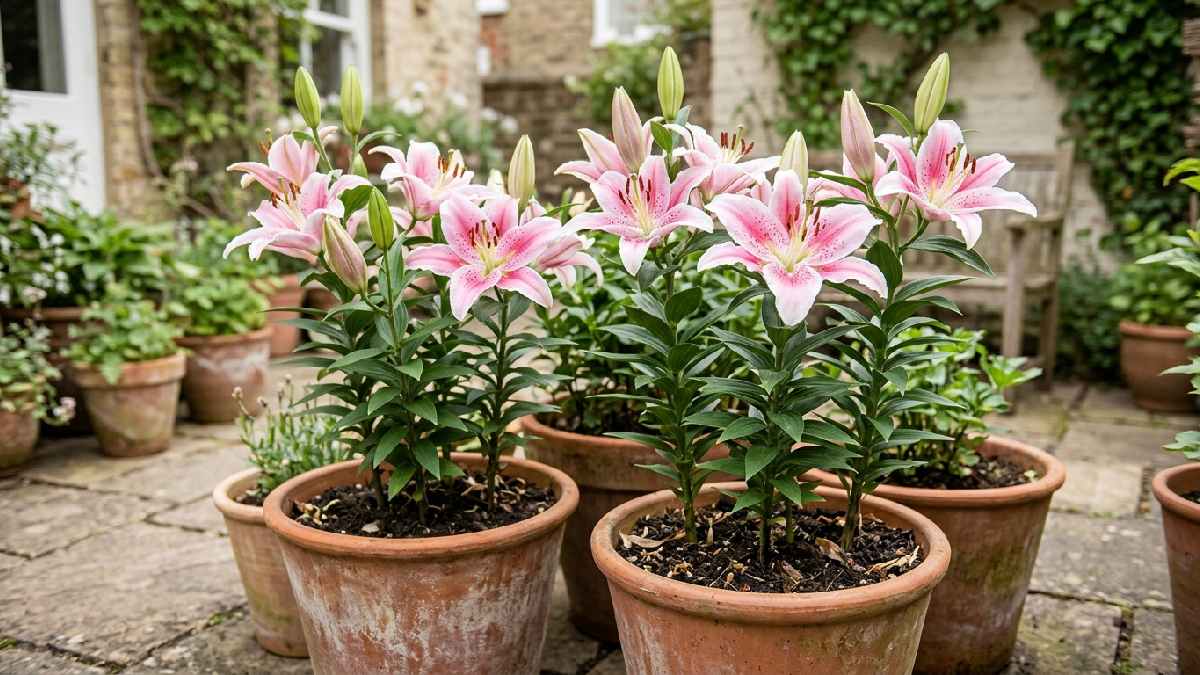
Lilies can do very well in containers; it’s not just for ground beds. Pick a pot at least 12 inches wide and deep, with drainage holes, and use quality potting mix, lightened with perlite. Three bulbs usually fit nicely in a 12-inch pot. If your garden soil is heavy, or voles keep munching everything, a potted lily flower on a balcony or patio becomes a solid workaround. Water when the top inch feels dry, and in winter move the pot to an unheated shed or garage, keeping it barely moist, not wet.
Lily flower care: water, feed, prune, and protect
Once they’re established, lilies are surprisingly low effort. A simple routine handles most problems.
Watering: Aim for about one inch of water per week, and water at soil level, in the morning. If you keep getting the leaves wet, botrytis shows up- that gray mold that spreads quickly during damp weather.
Feeding: When shoots are around four to six inches tall, add a balanced fertilizer or a bulb food. Feed again after flowering. Too much nitrogen produces lush leaves but fewer blooms, so don’t overdo it.
Staking: Tall varieties need support. Push the stake in at planting time so you don’t accidentally spear the bulb later, because that would be sad.
Deadheading: Cut off spent flowers so the plant doesn’t dump energy into seeds. Keep the stem and leaves until they turn yellow, because that foliage is feeding the bulb for next year.
Winter protection: In colder regions, add a four-inch mulch layer after the ground freezes, so the bulbs aren’t shocked by temperature swings.
Pests and diseases to watch
- Red lily leaf beetle: bright red and usually easy to notice. Hand pick them in the morning, when they’re slower.
- Aphids: blast with a strong water spray. They can spread plant viruses, so act sooner rather than later.
- Botrytis: check for brown, water soaked patches on leaves. Remove affected foliage, and give plants more air circulation.
- Voles, squirrels, and deer: use wire baskets for bulbs, and fencing if deer are common near you.
A healthy lily flower is way more resistant to most of this, so good soil, sun, and spacing are still the best defenses you’ve got.
Do lilies come back every year?
Yep. True lilies are perennials; their bulbs multiply underground. Each year the lily clump gets a little larger. When stems get crowded, usually after three or four years, dig up the clump in fall, separate the bulbs, and replant with fresh compost.
How to make a cut lily flower last longer
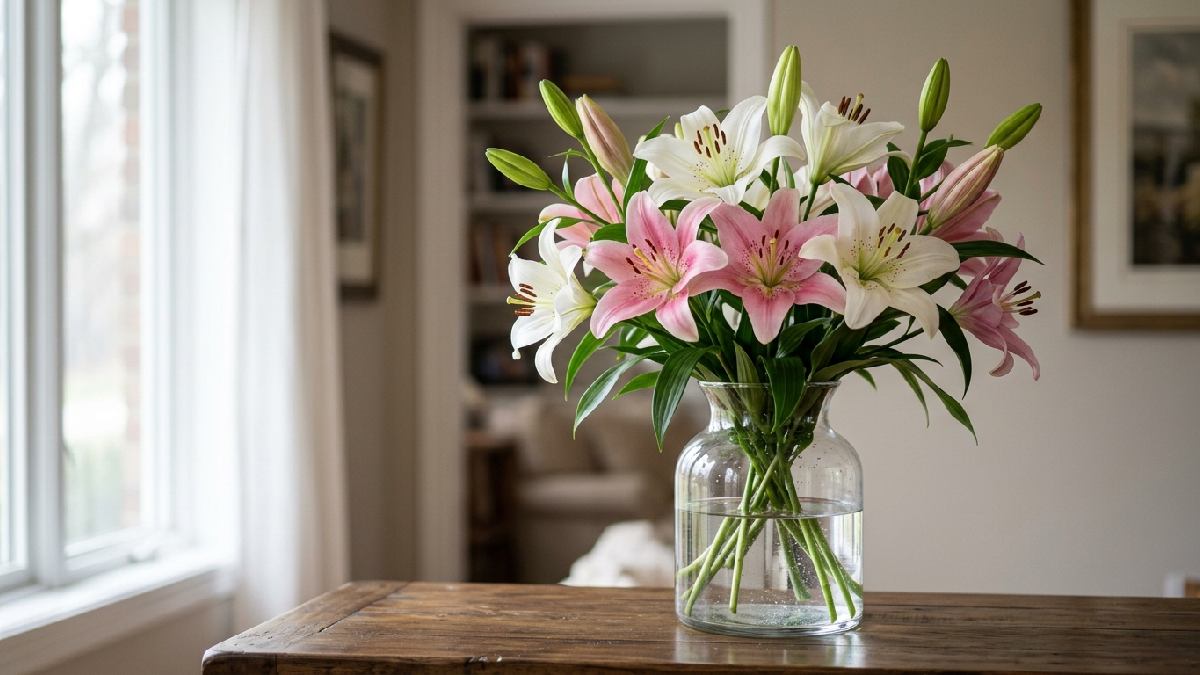
A cut lily flower can last around 7 to 14 days if it’s handled right; most bouquets fade early because people rough them up at the start.
- Buy at the right stage: Pick stems where the lower buds show color but haven’t opened yet. They open over the next few days, usually nicely.
- Trim the stems: Cut about an inch off at an angle with clean scissors. Remove leaves that would sit below the waterline, so they don’t rot.
- Remove the pollen: take off the pollen-covered anthers on every open lily flower using a tissue. This helps prevent orange stains on petals, clothes, and tablecloths, and it can also reduce risk around pets.
- Fresh water + flower food: Swap the water every two days, and recut the stems each time.
- Pick a cool spot: Keep the vase away from direct sun, heaters, and ripening fruit, since ethylene gas speeds up aging.
- Pollen stains stubborn: If some lands on fabric, don’t rub it. Let it dry, brush gently, or use tape to lift it off.
Are a Lily Flower Thing safe for cats, dogs, and people?
This part is the main thing, so read it , but be kinda careful too
Ok so, are lilies poisonous to cats? yes. Real lilies (Lilium) and daylilies (Hemerocallis) are seriously poisonous for cats. Like, even a tiny bit of pollen on fur that gets licked up, a nibble of a leaf, or a small sip of vase water can lead to sudden kidney trouble. At first, you might see throwing up, drooling, acting worn out, and not eating much within a few hours. If you think it happened, contact a vet or animal poison hotline immediately. The earlier you start treatment, the better; best within the first 18 hours
And yeah, every bit of a real lily flower is risky for cats, petals included, leaves, stems, pollen, even the water in the vase. So a lot of vets say cat owners should just skip lilies in the house completely
For dogs, it’s usually a milder stomach situation if they chew on true lilies, but if a dog ate a decent amount, you should still call the vet. Also, peace lilies and calla lilies have calcium oxalate crystals. Those cause mouth pain and drooling in both cats and dogs not usually deadly, but it can look really upsetting
For people, lilies are usually fine to be around. But young kids shouldn’t chew on any garden plant, period. Some lily bulbs are eaten in parts of Asia when they are prepared a certain way, but those are specific edible types, so don’t assume ornamental bulbs are food
If you really love a lily flower but you have a cat, swap in something safer like roses, snapdragons, sunflowers, or orchids. A florist can often trade them into almost any bouquet plan
Common Lily Flower Issues and Easy Fixes
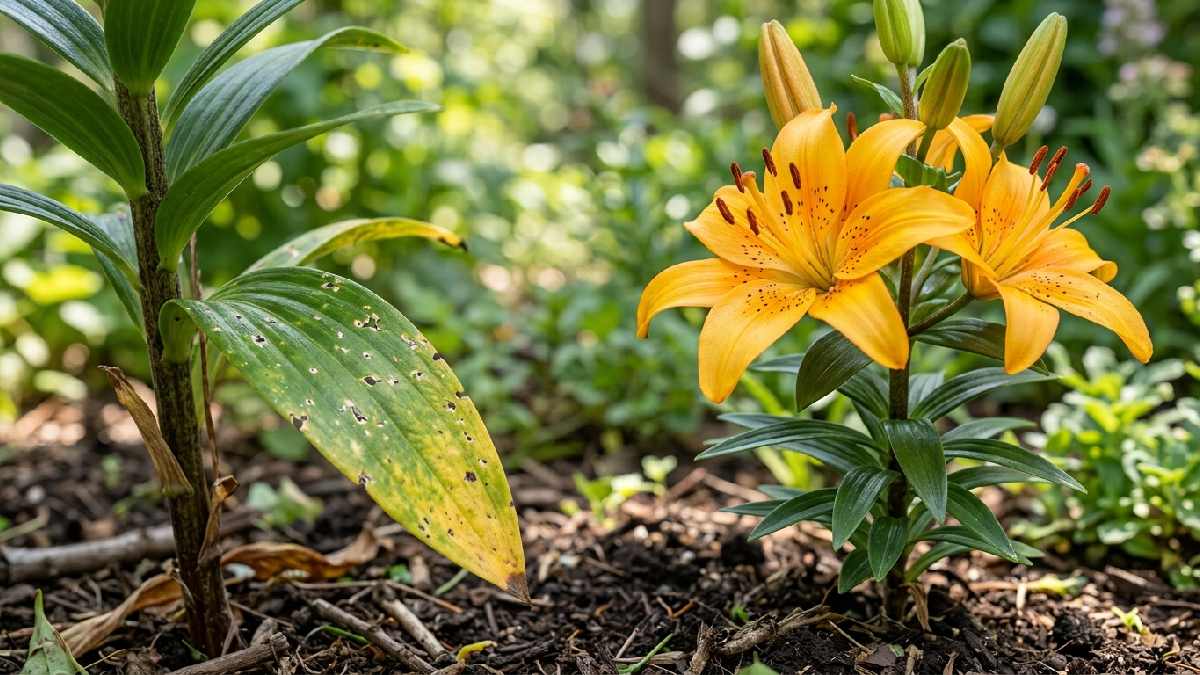
Why won’t my lily flower bloom?
A lily plant that makes leaves but no blooms is usually one of these things, no joke
- Too much shade move it to somewhere with about six hours of sun
- Bulbs planted too shallow: replant at the right depth in fall
- Too much nitrogen: use a bulb fertilizer with less nitrogen
- Small or young bulbs: some bulbs need a full season to build energy, so wait
Yellow leaves
Yellowing during summer often points to too much water or soil drainage that isn’t great. Dig up one bulb and inspect it. If it feels mushy or smells off , it likely rotted. The soil needs better drainage. Yellowing in late fall is normally part of dormancy
Brown spots and mold
These are commonly botrytis signs. Water at the base, thin out crowded stems, and clean up fallen debris when the season ends
Missing bulbs
If bulbs disappear overnight, it’s usually voles or squirrels. Use wire cages, and cover the soil with a layer of fine gravel
Lily Flower FAQs, quick answers
How long does a lily flower last?
A single bloom lasts about a week in the garden, and a stem with many buds can flower for two to three weeks. Cut stems in a vase last 7 to 14 days.
Can I grow a lily flower indoors?
You can, but it takes work. Use a deep pot, a bright south-facing window, and cool nighttime temperatures. Keep in mind the cat danger described above.
Do lilies need full sun?
Most do best with six hours of sun, though a little afternoon shade helps in very hot climates.
When should I cut back lilies?
Wait until the stems turn yellow or brown in fall, then cut them to the ground.
How many bulbs should I plant together?
Plant in clusters of three to five for a natural look, spaced 8 to 12 inches apart.
Conclusion
Lilies reward patience and simple routines. Match the type to your climate, plant bulbs deep in soil that drains well, give sun from above and a bit of root shade, and fertilize lightly. With that approach, one planting can bloom for years, and slowly thicken into a bigger clump
But please remember the safety rule above all else: if you keep cats at home, keep true lilies away from them or just choose another flower. Start with a few Asiatic bulbs this fall, and by next summer you’ll have blooms that look really worth showing off