
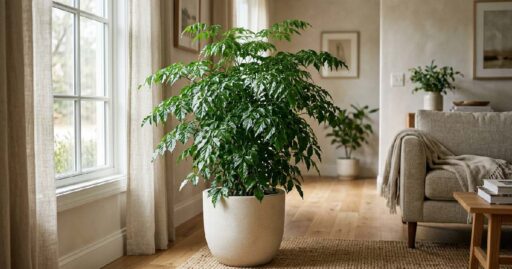
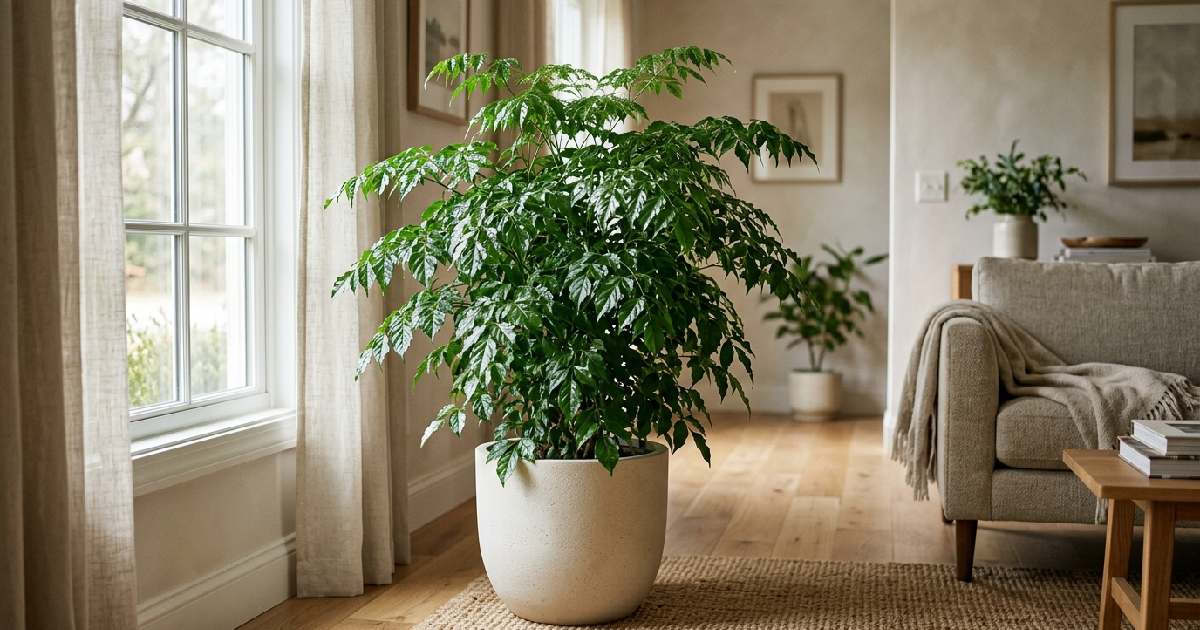

You bring home this gorgeous feathery green plant, right, and then, like two weeks later, the leaves start just raining onto the floor. Does that sound familiar? Because yeah, it’s not just you. The Chinese money tree (Radermachera sinica) has this kind of dramatic reputation, and honestly it kinda lives up to it. But once you figure out what it’s really asking for, it can end up being one of the most satisfying houseplants you can keep.
In this guide, I’ll walk you through how to care for a china doll plant: what kind of light to give it, how much water, what soil to use, how to stop that leaf drop, when and how to prune, ways to multiply it, and what to do when problems pop up. Everything is in plain language, so you can follow along step by step even if you’ve bumped off a few plants before (we’ve all been there).
What Is a China Doll Plant?
The china doll plant also goes by Radermachera sinica. People might call it the serpent tree, or emerald tree, or even the Asian bell tree. It comes from southern China and Taiwan, where it grows like a proper tree in warm, humid, bright conditions.
Indoors, it usually hangs out around two to five feet tall, but if you hit the sweet spot, some plants grow higher than that. The leaves are glossy, deep green, and finely divided, kind of fern-ish, though not exactly.
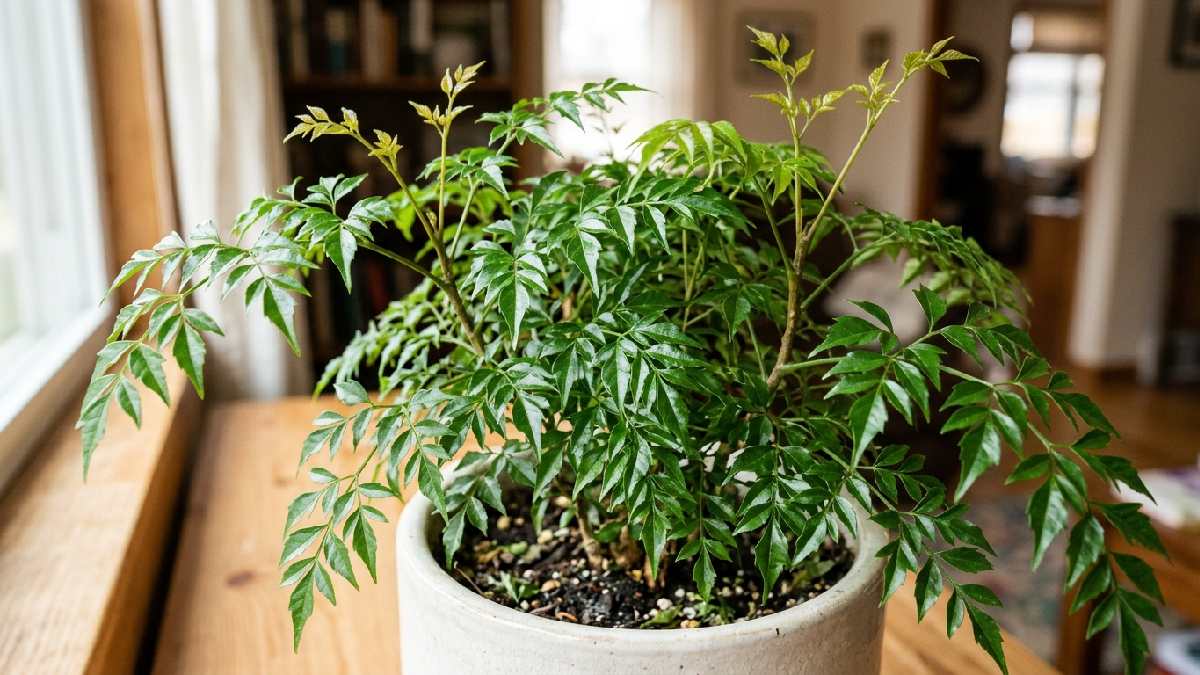
That airy, light look is why so many folks choose it for living rooms, bedrooms, and offices. It gives a soft tropical vibe without making your whole space feel crowded.
In some places, it’s also shaped as a bonsai, because the thin stems and small leaflets can work well for those little tree designs.
A China Doll Plant Easy to Grow?
Not really, no. It’s easy to enjoy, but it is a bit picky. This plant wants bright indirect light, watering that stays steady, and a stable home base. It does not love sudden changes. Keep things consistent, and it tends to grow fast and fill out with lush leaves. But if you keep moving it around or changing the routine, it will drop leaves, almost like a warning.
Is the China Doll Plant Safe for Pets?
The ASPCA lists Radermachera sinica as non-toxic to cats and dogs. So it’s generally a more comfortable option if you share your home with pets. Still, pets being pets means chewing can still upset a stomach, so watch them a bit. If your animal likes to nibble, put the pot somewhere out of reach.
China Doll Plant Care at a Glance
Here’s a quick snapshot you can save before we get into the details.
| Care Factor | What It Needs |
|---|---|
| Light | Bright, indirect light for 6+ hours daily |
| Water | When the top inch of soil is dry; never soggy |
| Temperature | 65–75°F (18–24°C); keep above 60°F (15°C) |
| Humidity | 40–60% is ideal |
| Soil | Light, well-draining potting mix, pH 6.0–7.0 |
| Fertilizer | Half-strength balanced feed monthly in spring and summer |
| Repotting | Every 1–2 years in spring |
| Pet safety | Listed as non-toxic to cats and dogs |
Best Light and Placement for Your China Doll Plant
Light is basically the whole story here. In the wild, it grows under bright filtered sunlight. Indoors, you’re trying to copy that vibe as close as you can.
How Much Light Does It Need?
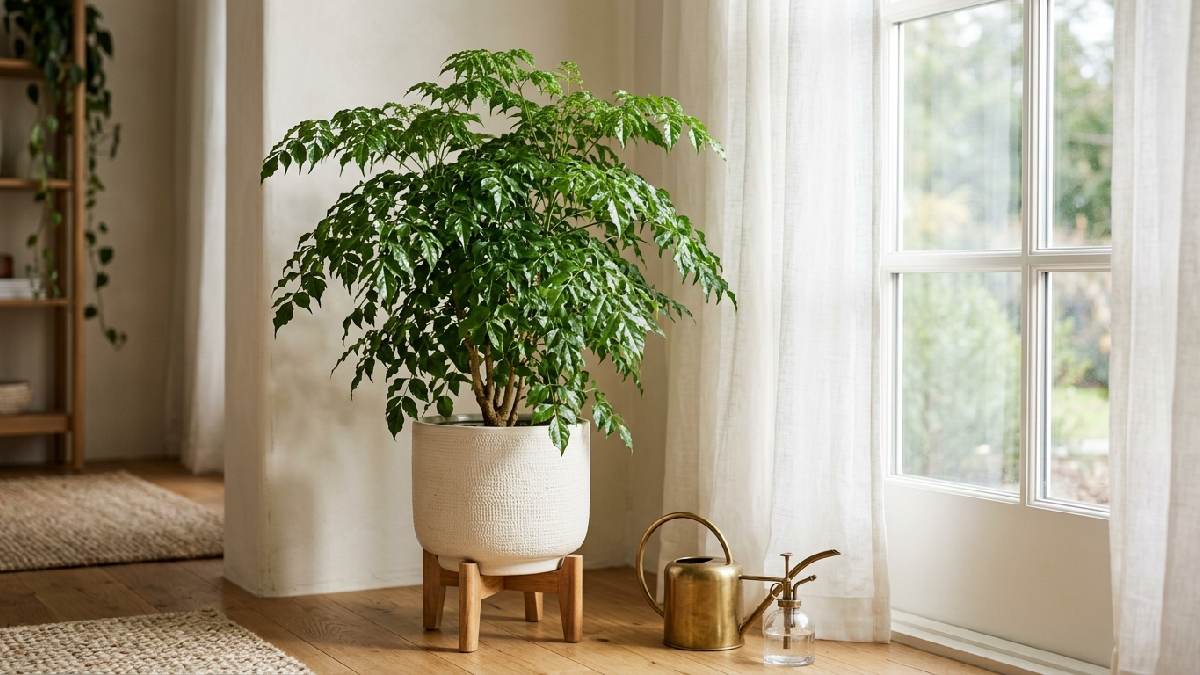
Aim for bright, indirect light for at least six hours a day. Near an east-facing window is often perfect because it gets gentle morning sun. A south or west window can work too, but only if a sheer curtain cuts down the harsher afternoon rays.
Direct midday sun can scorch the leaves and cause crispy brown spots, not cute.
Quick way to check: if you can read a book there without turning on a lamp, the light is probably okay for this plant. If you need a lamp, it’s probably too dim.
Signs of Too Little Light
When it doesn’t get enough light, the plant usually shows it pretty clearly. You might notice long stems with big gaps where leaves should be, new growth staying smaller and paler, and leaves turning yellow then dropping, often starting from the inside part of the plant.
Growth can slow down, or stop completely. If you spot this, move it closer to a window, but do it carefully. (More on that in a second.)
Signs of Too Much Light
Too much sun looks different. You might see bleached-looking patches, yellow-white areas, dry, crispy leaf edges, or leaves curling inward like the plant is trying to shield itself.
If that happens, move the pot back about a foot or two from the glass, or add a sheer curtain.
Pick One Spot and Leave It There
This is the tip a lot of guides kind of skip, but it really matters. A china doll plant hates being moved. Even shifting it a few feet can trigger leaf drop.
A lot of owners notice leaves falling within days after taking it from the nursery to home. That’s basically shock, not proof you did something wrong. Choose a good spot, put the pot down once, and let it adjust for two to three weeks before you start panicking.
If you want more even growth, you can turn the pot a small quarter turn every couple of weeks; otherwise, just let it gently lean toward the window.
Styling Ideas for Your Home
Since the foliage is light and kind of wispy, it looks great in a corner that needs softness. Try it beside a sofa, near a bright window in a home office, or on a plant stand where the leaves can arch naturally.
A simple ceramic pot in white, grey, or terracotta keeps the focus on the greenery. If you like the miniature tree look, you can add a short stake and prune the lower branches over time, across a season or two. Just remember the “styling” part should stay in the same bright, stable location the plant already likes.
Keep It Away From Drafts
This plant reacts fast to sudden temperature swings. Cold air from a winter window, a blast from the air conditioner, or hot air from a heater can cause leaf drop within days.
Keep the pot at least three feet away from vents, and also away from doors that open a lot.
What If Your Home Is Dark?
If your space is low-light, a full-spectrum LED grow light can help a lot. Position it around 12 to 18 inches above the plant and run it 10 to 12 hours each day. This is especially useful in winter, when natural light is weaker. A plug-in timer helps keep the schedule steady because this plant tends to enjoy consistency.
How to Water a China Doll Plant, the sort of “right” way
Okay, so watering is where a lot of people mess up with a china doll plant. Too much water, and leaves just start dropping, and if you go the other direction, underwatering does the same kind of drama.
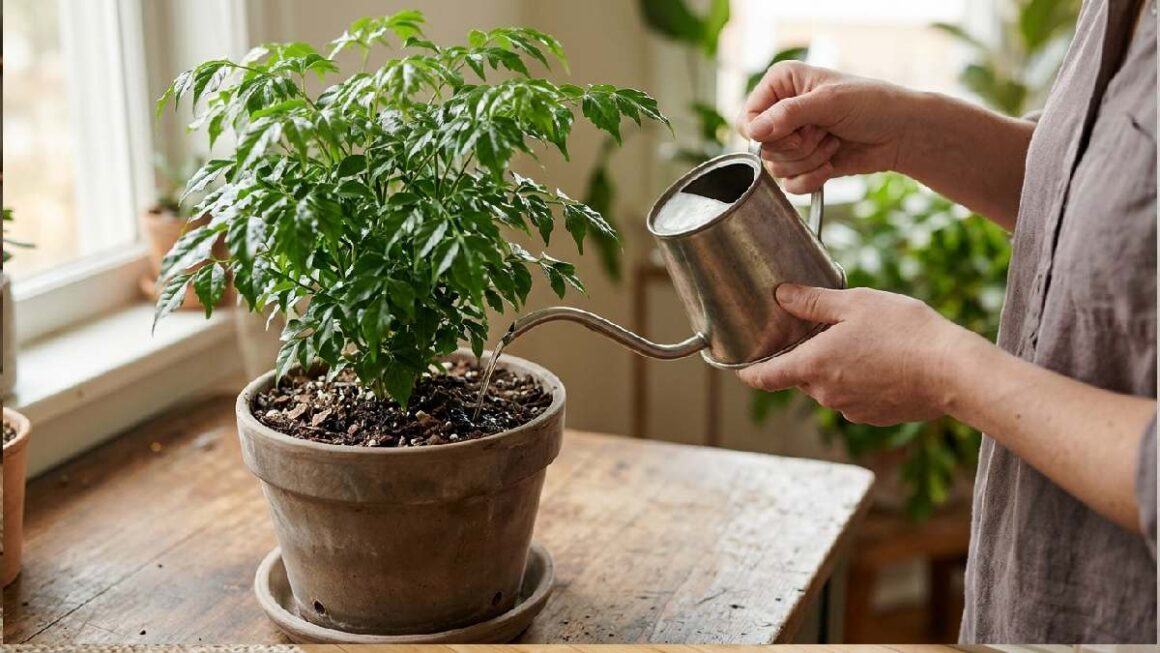
So you end up sort of guessing, even when you swear you’re doing fine. The real trick isn’t some strict calendar; it’s more like checking the soil and staying consistent even when it feels boring.
The Simple Watering Rule
Water only when the top inch of soil feels dry. Put your finger in, go down to that first knuckle, and pause a second. If it feels dry, water slowly, in a thorough way, until you actually see water come out of the drainage holes. Then wait about 15 minutes, pour off any extra from the saucer. Roots really don’t want to sit in a tiny puddle forever. If the soil still feels damp, just wait a day or two and check again.
In summer, it might be about once a week. In winter, since growth eases, it can stretch out to every 10 to 14 days. But don’t treat those numbers like rules, because pot size, room temperature, and how bright the spot is, all change how fast it dries.
Why It Doesn’t Like Wet, or Dust-Dry
This plant has small roots, and they’re kinda touchy. Soggy soil takes away the air the roots need, and that can set you up for root rot. Super dry soil does the opposite; it stresses the plant, and it drops leaves to conserve water. Aim for soil that’s evenly moist, not soaking, not crispy. Think “comfortably damp”, like a wrung-out sponge.
Best Water for Your Plant
Use water that’s at room temperature. Super cold water straight from the tap can be a little shocking. If you notice brown leaf tips, your tap water might have extra salts, chlorine, or fluoride. Letting tap water sit out in an open container overnight can reduce the chlorine a bit. Filtered water or rainwater is even better, if you can get it.
Humidity: The Not-So-Obvious Factor
Chinese money tree plants tend to prefer humid regions, roughly 40 to 60 percent humidity. Most homes run drier than that, especially with AC or heating running all day. When the air is too dry, you might see brown tips, little leaflets curling, or spider mites creeping in.
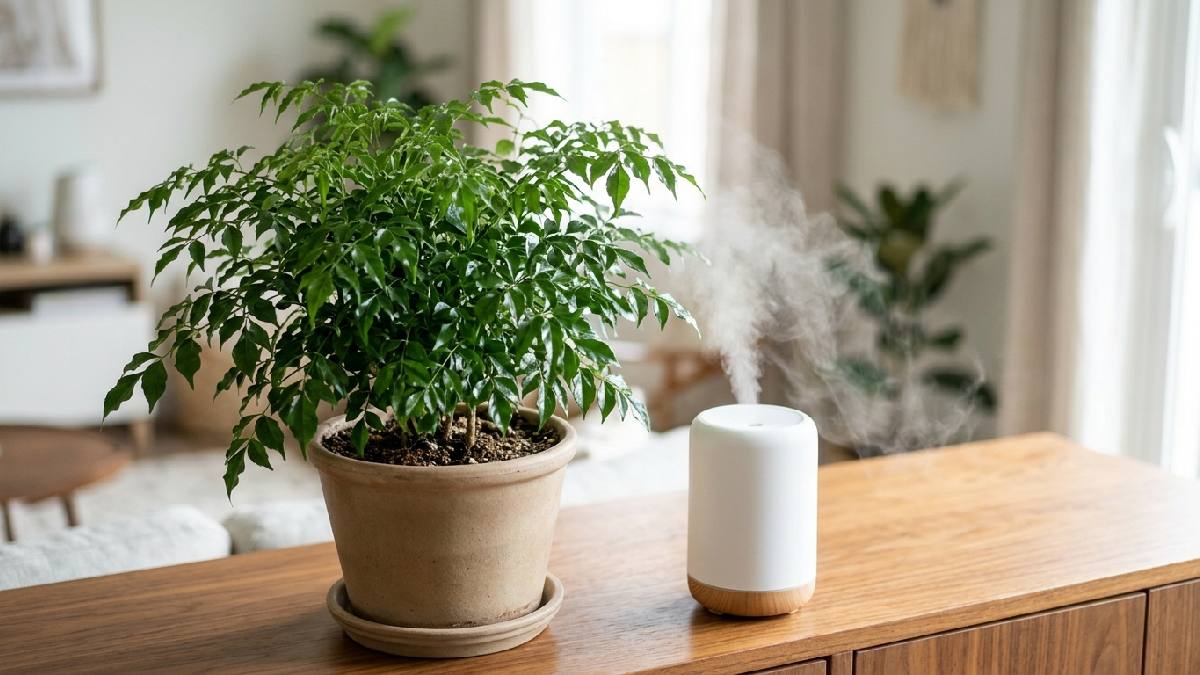
Ways to bump up humidity:
- Run a small humidifier near the plant. Honestly, this is the most dependable option.
- Keep it near other houseplants so moisture sort of shares around.
- Use a pebble tray: set the pot on pebbles with water beneath, but keep the base above the water line.
- Mist sometimes if you want, but know misting fades fast; it’s not a long-term fix.
Ideal Temperature
A comfortable range is 65 to 75°F (18 to 24°C). If it drops under 60°F (15°C), it can stress the plant and trigger leaf drop. It also doesn’t love very hot, dry air blasting right at it. Think mild indoor spring vibes, steady and gentle, and you’re getting close.
Soil, Pot Size, Fertilizer, and Pruning
Getting the soil and pot right makes watering way less stressful. Here’s how to set it up so the roots can actually thrive.
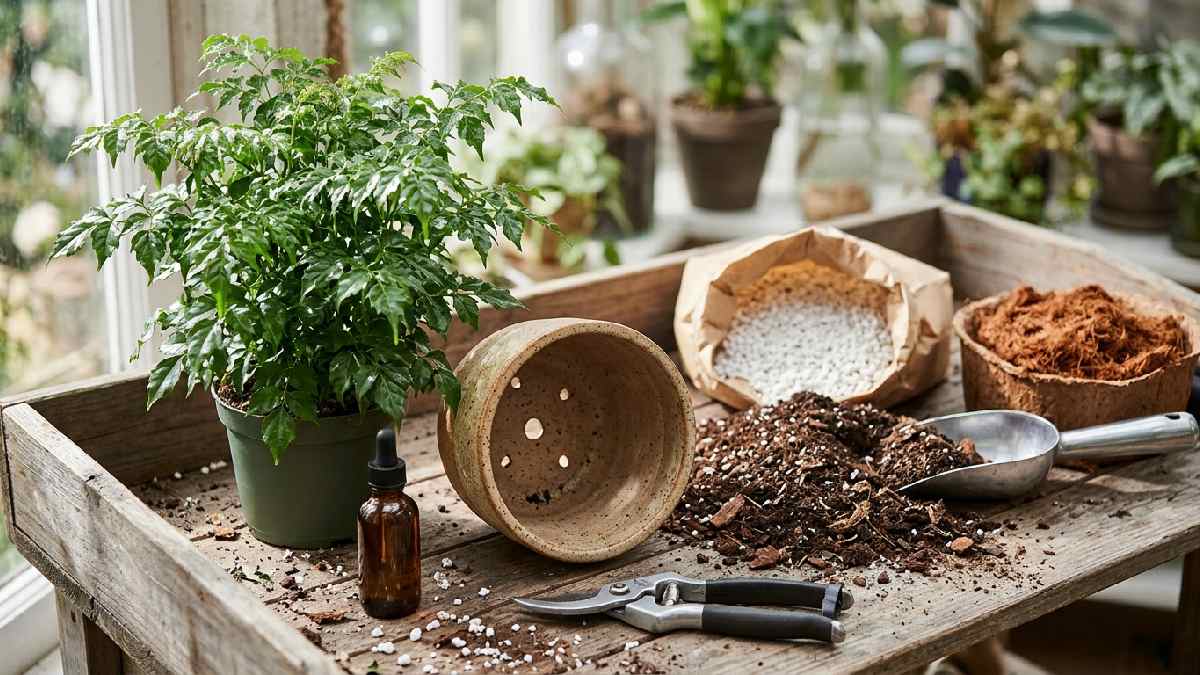
The Best Soil Mix
Use a light, airy mix that keeps some moisture, but drains fast. A simple blend is two parts indoor potting mix, one part perlite, and one part coco peat or compost. Soil pH is best slightly acidic to neutral, around 6.0 to 7.0. Skip heavy garden soil; it compacts, and it holds water longer than this plant likes.
Choosing the Right Pot
Make sure your pot has drainage holes. No holes means water pools at the bottom, and that’s where root issues start. Terracotta dries faster, so it can help if you tend to overwater. Plastic or glazed pots hold moisture longer, which can work if you tend to forget. Pick a pot that’s just one to two inches wider than the current root ball. Too big, and the soil stays wet for too long.
When and How to Repot
Plan to repot every one to two years, usually in spring. Signs include roots circling in the pot, water running straight through without soaking, or growth slowing down even though light and watering look okay. When you move the plant, be gentle. Roots are sensitive, so don’t rip them apart or cut them up unless you see mushy, brown parts. Water lightly after repotting, and keep it in its normal spot.
Fertilizer Schedule
From spring through summer, feed about once a month with balanced liquid fertilizer, like 10-10-10, and dilute to half strength. Skip feeding in late fall and winter when growth slows down. Don’t fertilize if the plant is bone dry or visibly stressed, because salts can burn roots. Every few months, flush the soil with plain water for a minute to help reduce salt buildup.
How to Prune a China Doll for a Fuller Shape
Pruning helps it branch out instead of staying tall and thin. Do it in spring when it’s ready to grow. Use clean, sharp scissors or shears. Cut leggy stems back by about one-third, right above a node (that small bump where leaves attach). New growth usually starts just under your cut.
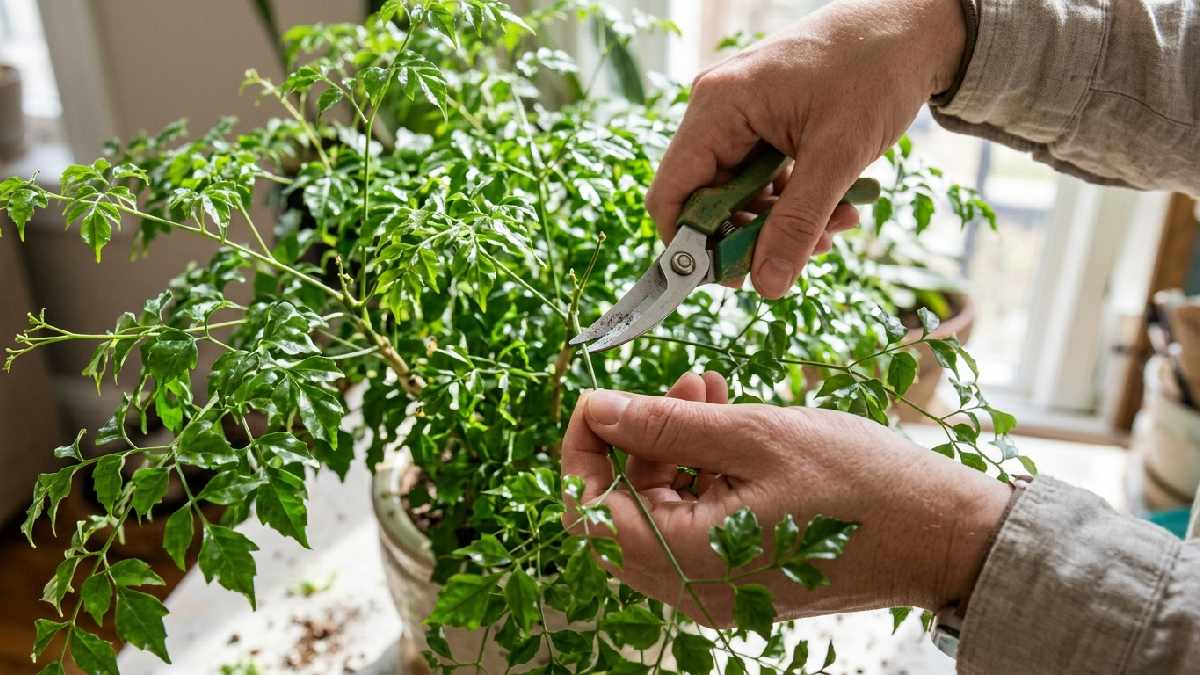
Also remove dead, yellow, or damaged leaves whenever you spot them. This improves airflow and keeps the plant looking tidier. Don’t remove more than about one third at a time, because heavy pruning adds stress.
Seasonal Care Calendar
This plant basically follows the seasons, and you can too. A simple calendar helps you adjust without trying to “solve” it every single day.
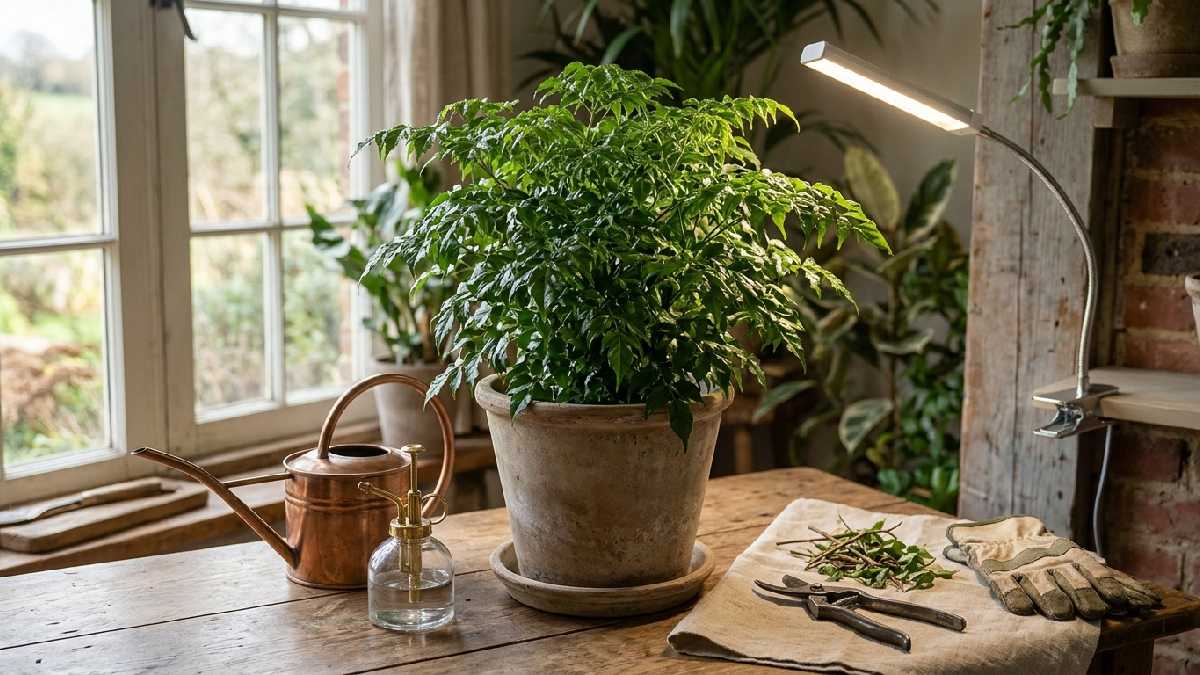
Spring: Repot if needed, prune, and restart feeding. As days get longer, growth wakes up, so watering might increase a bit because the soil dries faster.
Summer: Growth is at its peak. Water more often, feed monthly, and watch for spider mites when the air gets hot and dry. Keep it out of harsh afternoon sun, even if it sits near a curtain.
Autumn: Slow down. Stop fertilizing about six weeks before the first cold days. Check for pests before you close windows for the season, because catching issues early is easier.
Winter: Water less, but don’t let the soil dry out completely. Move the pot away from cold glass and heaters. This is also when a grow light can help, since short days can leave the plant hungry for light.
Write down the date of your last repotting plus when you last fed it too. Put it on a small note, or keep it in your phone or whatever, because it really does take away all that guessing, and guessing is usually where people get messed up the most.
Common China Doll Plant Problems and Easy Fixes
Even if you are really careful, it still happens sometimes. So here are the usual problems, and yeah, the easy fixes that help.
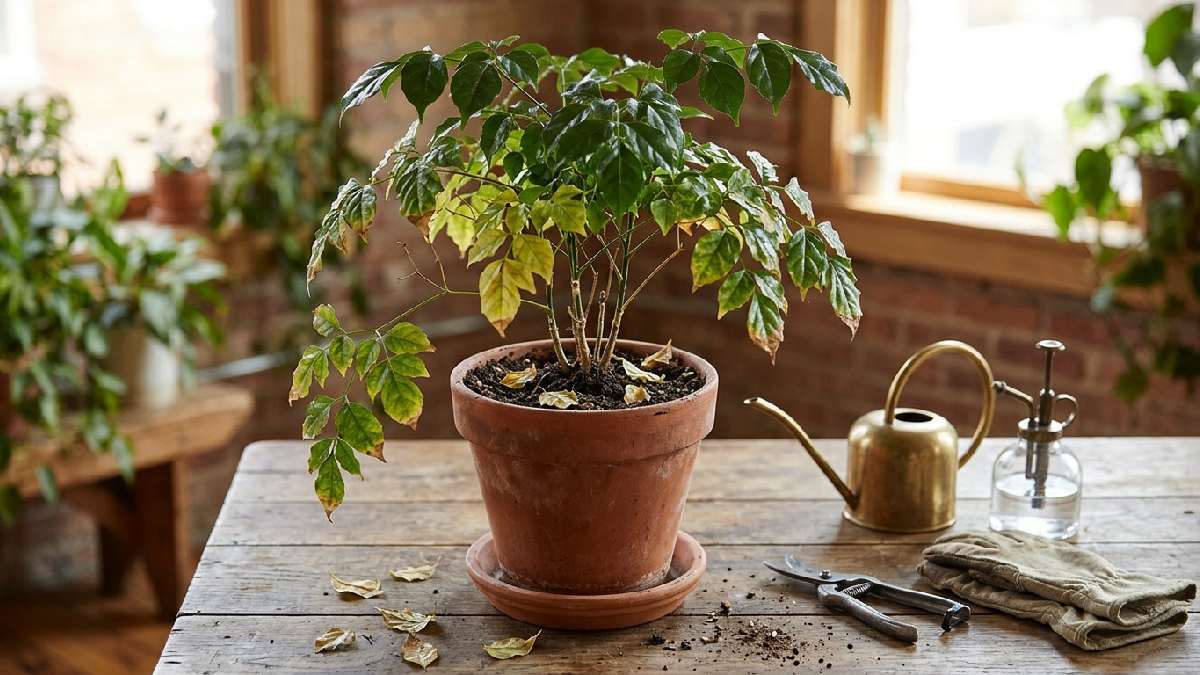
Why Is My China Doll Plant Dropping Leaves?
A china doll plant will often drop leaves after a recent move, low light, uneven watering, or a cold draft. Find what changed, then keep care steady, and new growth normally pops up in a few weeks.
Like, imagine a real-life example. Say someone buys a healthy plant, puts it in a bright living room, then moves it to the bedroom a week later because it looks nicer there. The bedroom is dimmer, and it sits near an air conditioner too. After a few days, the leaves end up on the floor. Nothing is “wrong” with the plant itself. It’s just reacting to three changes at once: new spot, less light, and that chilly air. Put it back in a stable, bright spot, and water in a consistent way, and that usually solves it.
Yellow Leaves
Yellow leaves usually come from a few things. If the soil stays wet too long, overwatering is usually the reason. If it sits in a dark corner, low light is the culprit. Also, normal aging happens: a few older leaves yellow and drop, and that part is fine. Only worry if a bunch of leaves turn yellow together, like all at once.
Brown Tips and Edges
Brown crispy tips tend to mean dry air, salt buildup from fertilizer or tap water, or watering that isn’t even. Bump up humidity a bit, flush the soil, and then water with a more steady rhythm. You can trim brown tips with clean scissors; just follow the natural curve of each leaflet- don’t go wild.
Pests to Watch For
When a china doll plant is stressed, pests often show up faster. Usual suspects are spider mites, mealybugs, aphids, and scale. Check under the leaves and where leaves meet stems, like those little joints.
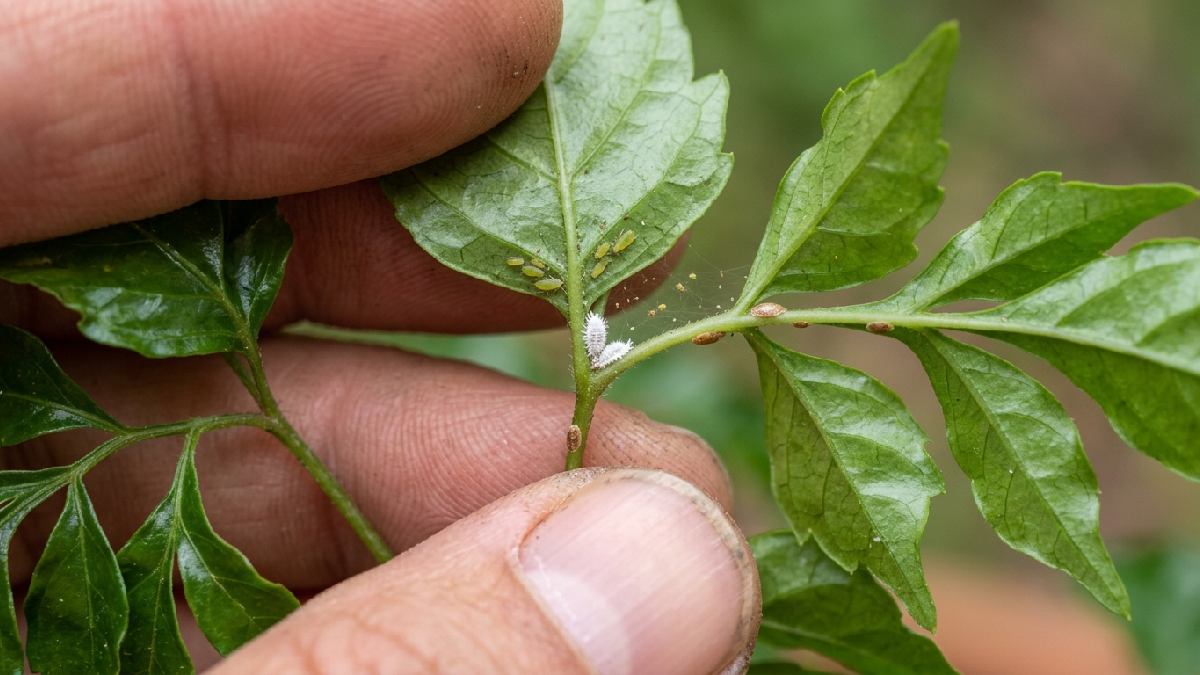
Spider mites: tiny dots, thin webbing, and dull speckled leaves. Dry air makes them more likely.
- Mealybugs: white, cotton-like clumps in stem joints.
- Aphids: small green or black insects on fresh growth.
- Scale: hard brown bumps along stems and leaf veins.
First, separate it from your other houseplants. Wipe the leaves with a damp cloth, then spray insecticidal soap or neem oil. Repeat every five to seven days for about three weeks, because eggs hatch in waves. Also, boosting humidity helps; it makes it harder for spider mites to return.
Root Rot
If the plant wilts even while the soil is wet, or you notice a sour smell from the pot, then think root rot. Pull it out and check the roots. Healthy roots feel firm, and they look light-colored. Rotting roots are brown, soft, and mushy. Cut away the bad parts with clean scissors, repot into fresh mix that drains well, and water lightly until new growth shows up. Prevention is easier: always use drainage holes, and let the top inch dry out.
Can a China Doll Plant With No Leaves Come Back?
Yes, it can recover even if it lost most of its leaves, as long as the stems are still alive. Do a quick scratch test: gently scrape a tiny bit of bark with your fingernail. If you see green underneath and the stem bends instead of snapping, it is alive. Put it in bright indirect light, water only when the top inch is dry, skip fertilizer for now, and just wait. New leaves can take several weeks. If the stems are fully brown, dry, and brittle all the way down, then it probably won’t come back.
Beginner Mistakes to Avoid
Most issues come from a pretty small set of habits. Compare your routine to these:
- Moving the room too often. Every move is a little shock. Pick one place and keep it there.
- Following a calendar instead of the soil. Watering “every Sunday” ignores weather, light, and pot size. Check first by feeling the soil with your finger.
- Fixing everything at once. When leaves drop, people often move the pot, change the water, add fertilizer, and repot in the same week. That stacks the stress up. Change one thing, then wait two weeks.
- Using a pot that is too big. Extra soil stays wet and sets up rot; it’s just a trap.
- Feeding a plant that is struggling. Fertilizer is for healthy plants, not a rescue tool for sick ones.
- Ignoring the undersides of leaves. Pests hide there, and catching them early saves a lot of hassle.
If you only remember one thing, let it be this: calm and consistent care beats clever tricks, every time. A plant feels safer when it gets the same light, same temperature, and the same watering rhythm week after week. When it is stable, it keeps its leaves.
How to Propagate a China Doll Plant and Choose a Healthy One
Once your plant is doing well, you might want more of them, or you may be shopping for your first one. Either way, here’s the useful stuff.
Propagating From Stem Cuttings
Propagating this plant needs patience, and the results can be a bit mixed, so take multiple cuttings. Spring or early summer is usually the best timing.
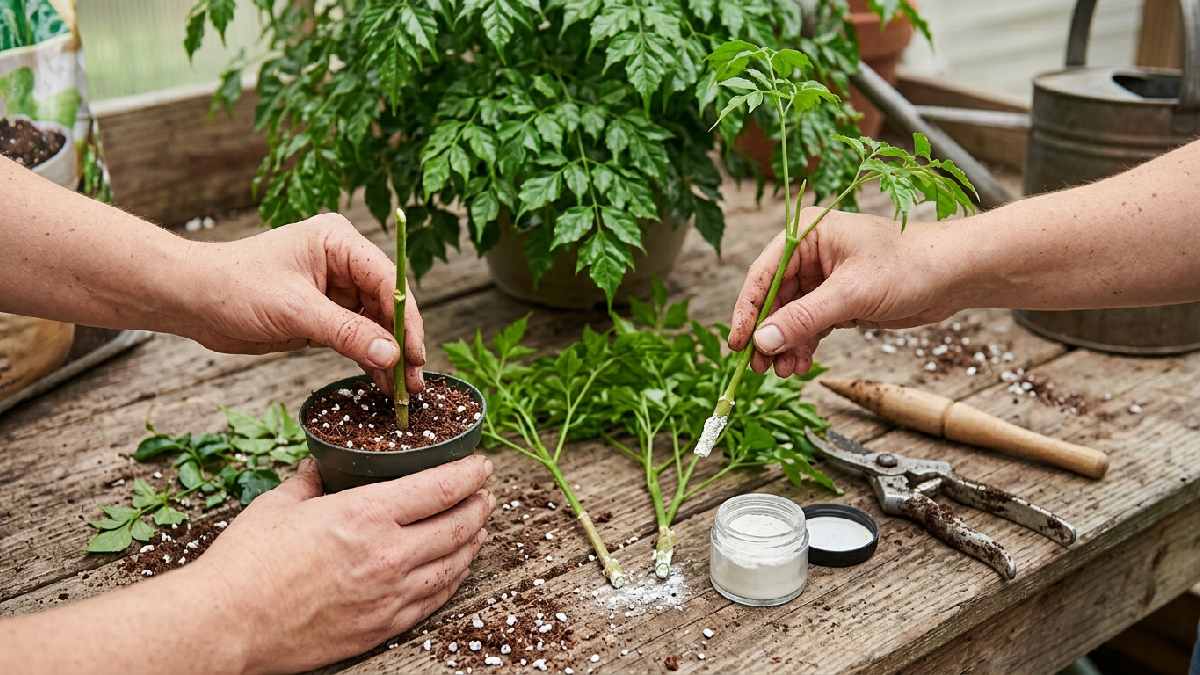
- Cut a healthy stem about four to six inches long, with at least two or three nodes.
- Remove the lower leaves; leave a few up top.
- Dip the cut end in rooting hormone powder or gel.
- Plant it in a moist mix of perlite and peat, or coco peat.
- Cover the pot loosely with a clear plastic bag to keep humidity up, and keep it in bright indirect light.
- Open the bag for a bit every few days so it breathes.
Roots may take four to eight weeks to form. A gentle tug that meets resistance is a good sign. After you see new growth, move the cutting into a small pot with regular mix.
How to Choose a Healthy Plant at the Nursery
A healthy china doll plant at the nursery usually has glossy, deep green leaves and a full, balanced shape. Before you buy, check:
- Look under the leaves for webbing, white fluff, or sticky residue.
- Avoid plants with lots of yellow leaves or bare lower stems.
- Make sure roots aren’t pushing out hard from the drainage holes.
- Ask how long the nursery has had that plant, because one that sat for weeks has already adjusted.
On the trip back, try to shelter the plant from cold drafts and wind; you know, just keep it cozy. If the weather feels cooler, wrap it loosely in paper or even a bag, then get it moved to where it will live, pretty much right away. Don’t leave it hanging out in the car too long; that can mess with things.
China Doll Plant FAQs
How Fast Does a China Doll Plant Grow?
With bright light and steady care, a china doll plant grows at a moderate to fast pace, often six to twelve inches per year indoors. Growth slows in winter and speeds up in spring and summer.
Does a China Doll Plant Flower Indoors?
A china doll plant rarely flowers indoors. In warm outdoor climates, mature trees can produce pale, trumpet-shaped blooms, but houseplants seldom get enough light and warmth to do the same. Most people grow it for its foliage, which is the real attraction anyway.
Can a China Doll Plant Live Outdoors?
In warm, frost-free climates, a china doll plant can live outdoors in partial shade. Elsewhere, you can move the pot outside for summer once nights stay above 60°F (15°C). Keep it out of strong direct sun and bring it back indoors before temperatures drop. Introduce the change slowly over a week or so, because sudden moves cause leaf drop.
Is a China Doll Plant Good for Cleaning Indoor Air?
Be careful with this claim. A single china doll plant will not noticeably purify the air in a room, since studies on houseplants and air quality show only small effects in real homes. Enjoy it for its beauty and the calm it adds to a space. For cleaner air, open windows and use proper ventilation.
How Often Should I Water It?
Water when the top inch of soil is dry. That is usually once a week in summer and every ten to fourteen days in winter, but always check the soil first.
Conclusion
The Chinese money tree plant is not the most difficult houseplant, but it also is not the easiest. It tends to reward people who pay attention. Give it bright indirect light, water once the top inch of soil dries out, keep humidity comfortable, and try not to move it around. If you stick with those habits, you solve most of the issues that frustrate beginners.
Also, leaf drop is more of a message than a real “end.” Stay cool, check light, check watering, watch for drafts, and make just one change at a time. Give your china doll plant a steady home, a little patience, and it will gradually fill that corner with soft, graceful green for years.