
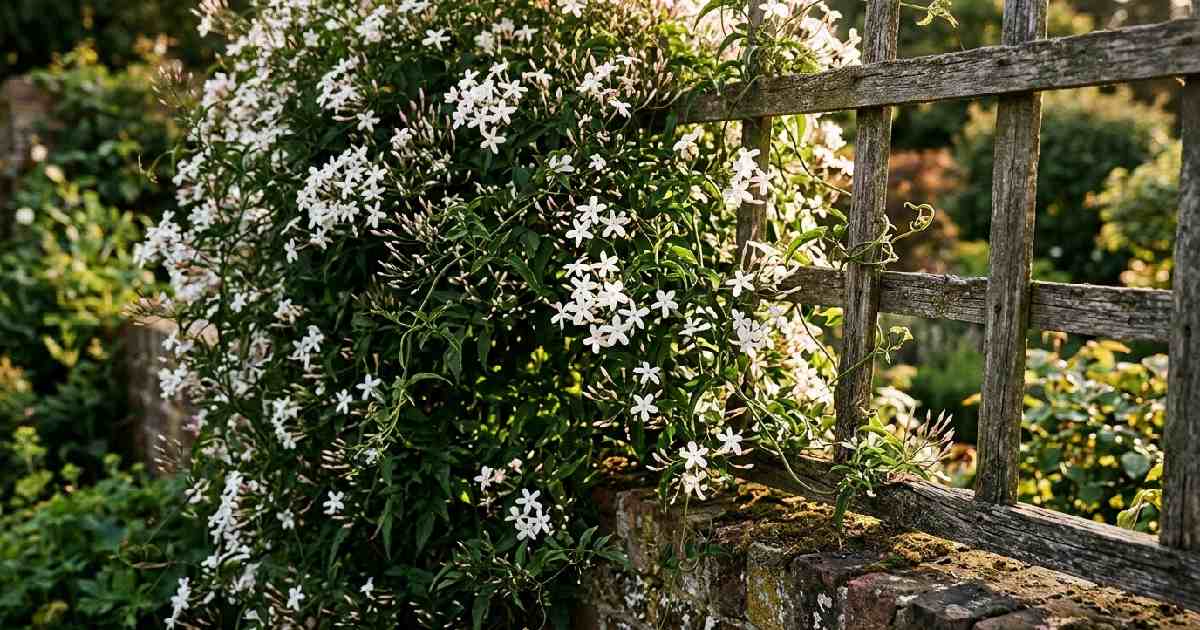

So you’re heading home at dusk, and this sweet, creamy scent just, well, it stops you mid-step. Like, you pause because suddenly you notice it: over a garden wall, there’s this small white flower climbing up. And yeah, that vibe is jasmine. For ages, families across Asia, the Middle East, and even parts of Europe have used this little blossom in garlands, tea, perfume, and wedding decor, but somehow most folks still only remember it for the smell, not really the plant itself.
Maybe you want to grow it, but you’re stuck picking a type. Maybe you heard jasmine tea is “healthy” and you’re wondering if that’s actually true. Or maybe your plant is throwing out tons of leaves but no flowers, and you’re tired of guessing why. This guide kind of covers all of that, said in plain words so you can actually put it to use.
By the end, you’ll understand what jasmine really is, which main types are worth planting, what benefits have real research behind them, how to plant and care for it, plus how to use the flowers safely in tea, oil, and everyday routines. And honestly, you can try at least a few ideas this week.
What Is Jasmine? A Quick Answer
Jasmine is a group of fragrant flowering plants from the olive family, mostly grown because of their sweet-smelling blossoms. There are around 200 species, and many are climbing vines or spreading shrubs. The flowers are usually white, sometimes yellow, and a lot of them open in the evening, which is also when the scent feels strongest.
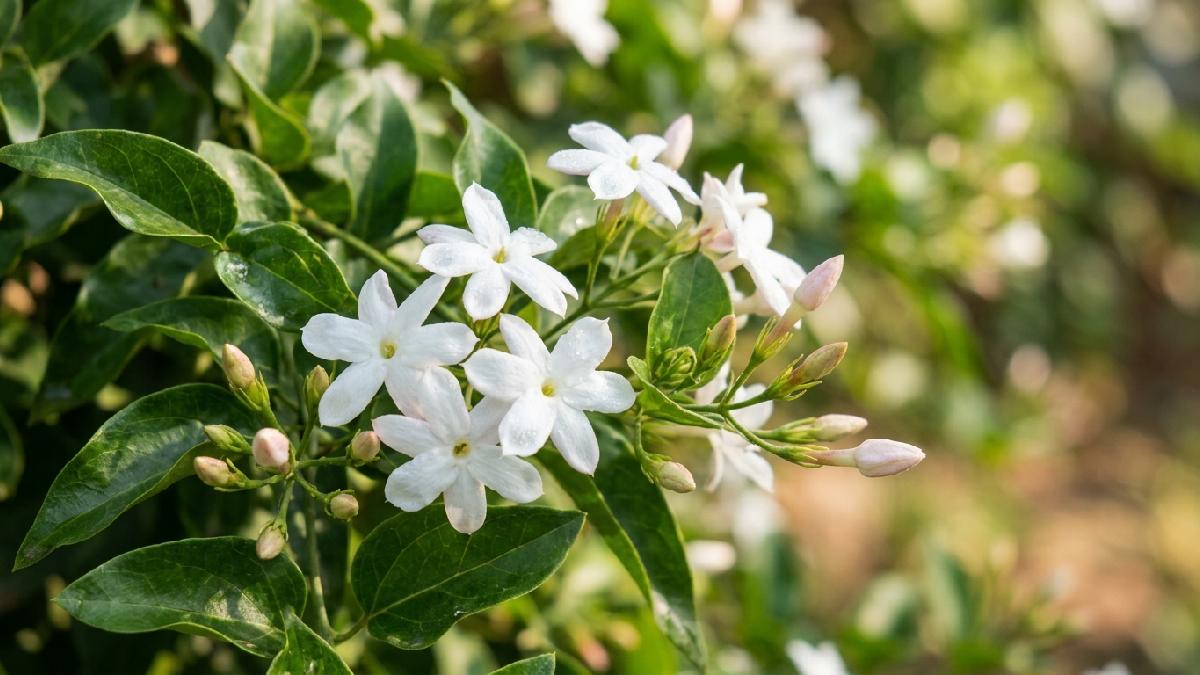
It originally comes from warm regions across Asia, Africa, and Australasia, but now it shows up in gardens basically everywhere. In Pakistan, the white climbing vine called chambeli is the national flower, and mogra (the double-petalled kind) is famous for gajras and perfume. In the Philippines, sampaguita is the local type and also the national flower.
Why People Love This Flower
Jasmine feels special for three simple reasons. First, the scent. It’s rich, sweet, and kinda fruity, and perfume makers lean on it more than almost any other flower. Second, its cultural role, since it shows up at weddings, festivals, gifts and prayers. Third, it has practical usefulness too—the flowers can be steeped into tea, turned into oil, and used in traditional home remedies.
Look-Alikes: Not Every Fragrant Climber Is True Jasmine
This part surprises some gardeners. Certain plants “borrow” the name because they smell similar, so it gets confusing fast. Star jasmine and Cape jasmine, for example, are in different plant families, and the Cape plant is actually a gardenia. Both can be lovely, but their care and uses won’t match, so don’t assume. When you buy plants or oil, check the Latin name—true jasmine types start with Jasminum.
7 Types of Jasmine Worth Knowing
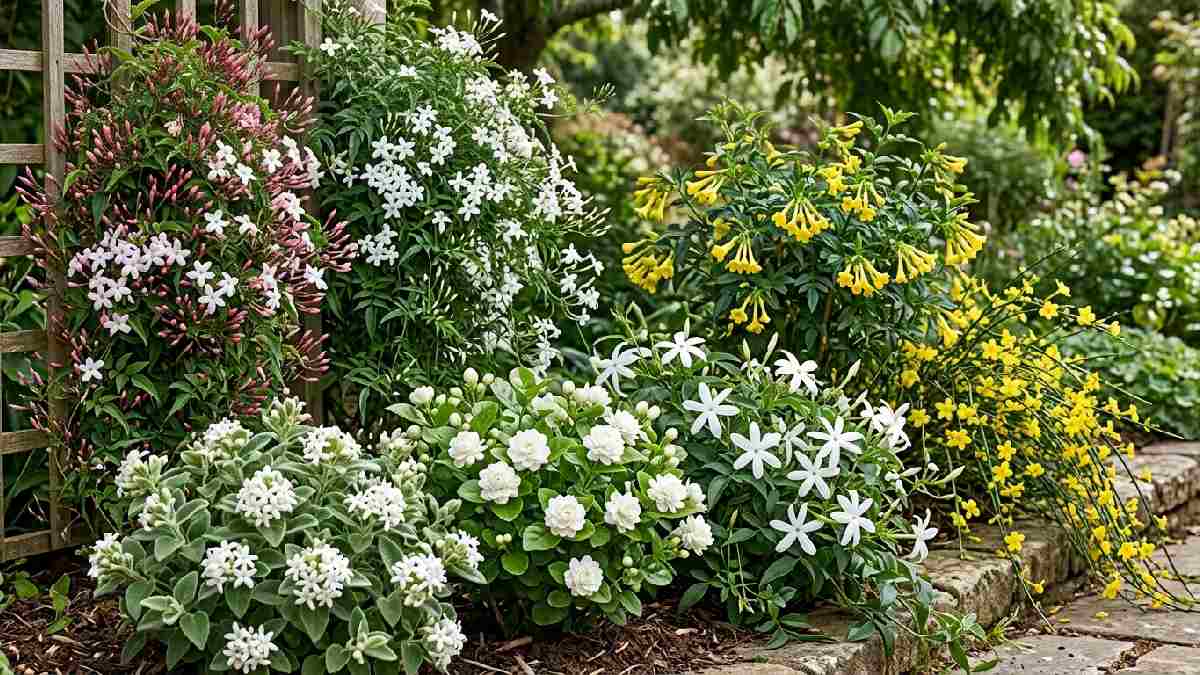
Picking the right type matters more than most people think. A variety that loves a cool hill garden might struggle in a hot, dry summer, so match the plant to your climate before you get attached to a pretty photo. Here are seven types, from easier growers to more picky ones.
-
Common (Jasminum officinale)
This is the classic climber. It makes small white, star-shaped flowers, has a strong sweet scent, and it grows pretty fast, reaching about ten to fifteen feet with support. It’s hardy, easygoing, and a solid choice if you want a fragrant wall or fence. It flowers from early summer into autumn, and yep, it’s the flower shown in the wreath on Pakistan’s national emblem.
-
Arabian (Jasminum sambac)
You might see it called mogra, or motia. This is the type people use in gajras, perfume, and jasmine tea. It grows as a compact shrub with glossy leaves and creamy single or double flowers. It likes heat and sun, does well in pots, and it blooms heavily through the warm months. Frost can damage it, so if your winters get cold, you’ll want to protect it.
-
Spanish (Jasminum grandiflorum)
Also called royal or Catalan, this type has bigger flowers with pinkish tones on the outside and white inside. It’s a major source for perfume oil. It grows like a scrambling vine, and it wants a warm, sunny spot with decent drainage.
-
Winter (Jasminum nudiflorum)
Okay, this one is honestly different. You get bright yellow flowers and almost no scent. It blooms late in winter, when most gardens look tired, and it handles cold conditions very well. It works nicely as a cheerful cover for banks, fences, and walls.
-
Italian (Jasminum humile)
This is a semi-evergreen shrub, and it brings clusters of yellow flowers with a light scent. It’s tough, tolerates poorer soil, and it can be useful for hedges or as a larger pot plant.
-
Pink (Jasminum polyanthum)
Pink buds open into white flowers, and the scent is strong. It grows quickly, and in cooler places people often keep it indoors in a bright room. Gardeners usually love it for that big spring bloom, and it just looks dramatic.
-
Downy (Jasminum multiflorum)
This shrub can be sold under a couple of different names. It has softly hairy leaves, and many small white, star-shaped flowers that show up almost all year in warm weather. It’s great in large pots and informal hedges.
Which Type Is Best for Beginners?
So what’s the easiest jasmine? Common and Arabian are usually the easiest. Common is hardy and fast, while Arabian stays more compact and tends to do well in pots.
If your main goal is fragrance, choose common, Arabian, or Spanish. If you want winter color, go with winter jasmine. And if you only have a balcony, Arabian is typically the safest pick.
Health and Wellness Benefits of Jasmine
Jasmine has been used in Ayurveda, Traditional Chinese Medicine, and in folk traditions for a long time. But newer research isn’t super extensive, and you really should be honest about that.
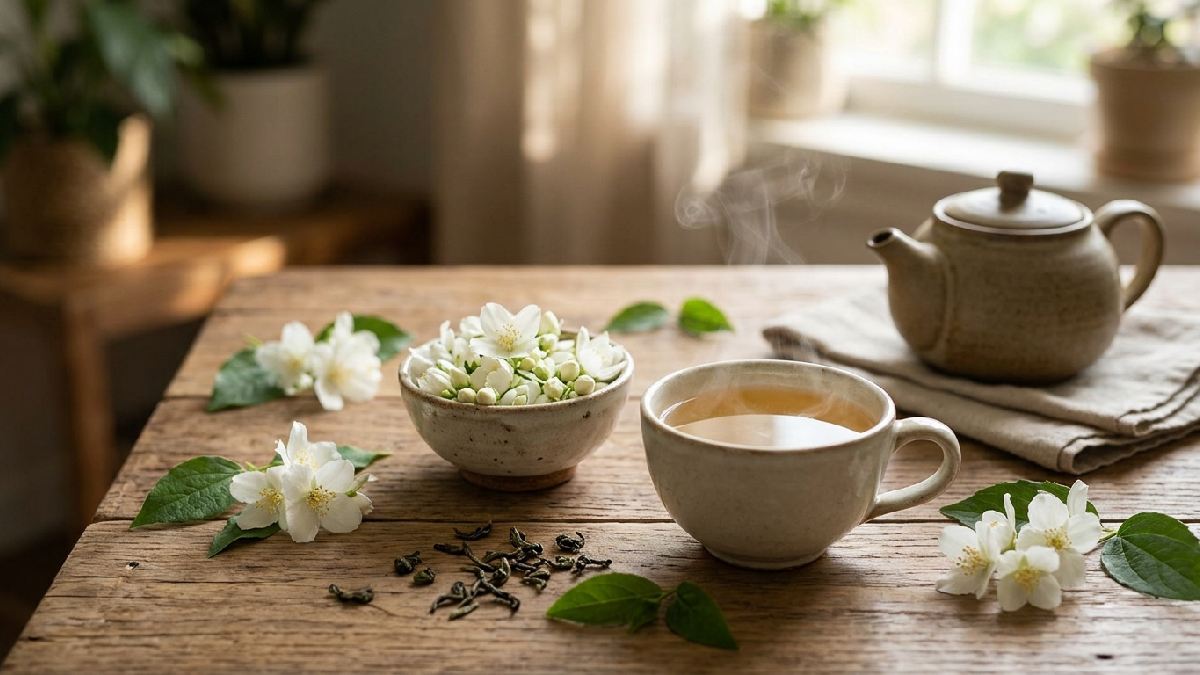
A lot of studies focus on extracts or essential oil, sometimes in lab settings or with small groups of people, so it doesn’t automatically “prove” a cure for anything. Still, here’s what the evidence mostly suggests.
May Support Relaxation and Mood
The most studied effect is the scent; it’s kind of like, some small studies say breathing in jasmine fragrance eases tension while others found it can make you feel more awake and alert, so yeah, it seems to shift from person to person. Aromatherapy is not really a substitute for medical care, but taking a few slow breaths by a fragrant flower is a nice everyday little ritual, and it costs you basically nothing.
Antioxidants From Tea (Green leaves)
Jasmine tea made with green tea leaves brings along antioxidants, especially catechins. These compounds help shield cells from that normal day-to-day wear and tear. Most of the help is from the tea leaves, more than the flowers, so it’s the base quality that really matters, not just the perfume part.
Possible Heart and Metabolic Support
Bigger observational studies connect regular green tea drinking with better heart health markers, including cholesterol. And because many scented teas are still built on green tea, the overall story may fit here too. Still, it’s not some magic fix, diet sleep and movement do much more work than the cup alone.
Digestion and hydration
A warm cup after meals is pretty common in a lot of places, and some people feel it calms the stomach. It also counts toward your daily fluid intake. When it’s unsweetened, it’s basically almost no calories which makes it an easy swap for sugary drinks.
Skin and Hair uses
Jasmine oil from the flowers is a go to ingredient in moisturisers and hair oils, mostly for its mild fragrance and soft feel. Some lab work suggests extracts might have antimicrobial properties, though that’s not nearly enough to actually treat skin problems. If your skin runs sensitive, do a patch test first, just to be safe.
What the Research Does Not Say
Don’t trust the huge claims floating around online. There isn’t credible research showing this flower can cure anxiety disorders, diabetes, or cancer. If you have a health condition, or you take medicine regularly, talk with your doctor before you add herbal products into the routine.
Jasmine Tea: How It Is Made, Taste and How to Brew
Jasmine tea is a scented tea, usually made by layering fresh flowers with green tea leaves, so the leaves soak up the fragrance. Later, the flowers are taken out, which is why you rarely see lots of blooms in the cup, although some higher-end blends keep a few petals around for show. The taste tends to be light, floral, and lightly sweet, with very little bitterness if brewed properly.
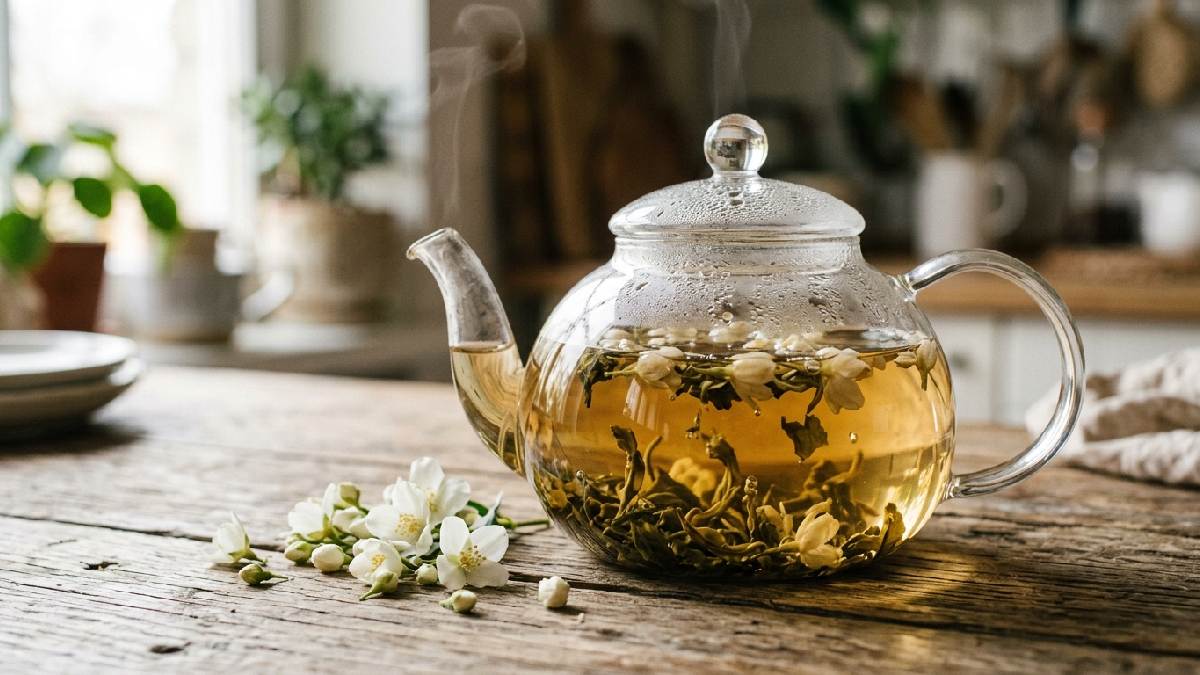
Choosing the Tea base
Green tea is the classic base and gives that clean, fresh taste. White tea bases lean softer and sweeter. Oolong and black tea bases exist too, and they taste bolder. Hand-rolled pearls unroll as they steep, and those are often the premium pick, but loose leaf works just fine for everyday drinking, honestly.
How to Brew jasmine tea step by step
- Use about one teaspoon of leaves, or four to five pearls, per cup.
- Heat water to around 80°C (175°F) ; boiling water makes green tea taste bitter.
- Pour the water over the leaves and steep for two to three minutes.
- Remove the leaves and sip. If your leaves are good, you can steep them again, and sometimes even a third time.
- Skip the sugar at first, taste the natural sweetness first before adding anything.
Caffeine and Safety
Most blends use real tea leaves, so caffeine is still there, usually less than a cup of coffee. If you’re pregnant, caffeine sensitive, or taking regular medicine, check with a doctor first. If you sleep lightly, avoid it late at night.
How to spot a good blend
A quality jasmine tea should smell fresh and floral, not sharp like soap. Cheaper versions sometimes lean on artificial flavouring. Check the ingredients list: it should mention tea and natural scenting, or flowers. If sellers mention the region of origin, like Fujian in China, they often care more about quality.
Jasmine Essential oil, Perfume and everyday uses
Making real jasmine oil is slow and delicate work. The blossoms get picked at night or early in the morning when the scent peaks, and it takes thousands of flowers to produce even a tiny amount.
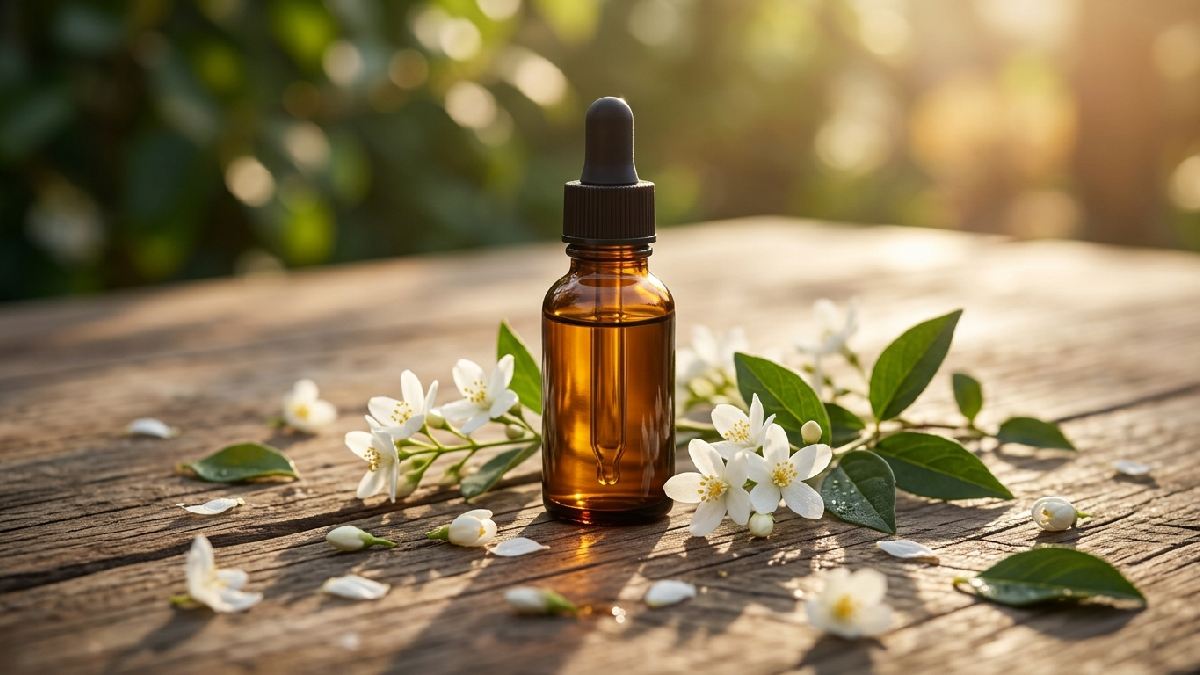
That’s also why the genuine product ends up being expensive.
Absolute vs essential oil
The pure version is often sold as an “absolute”, extracted with solvents, because steam distillation can damage the delicate scent. If a bottle labelled as pure oil is super cheap, it’s probably diluted or synthetic. Look for the Latin name, the extraction method, and any dilution info on the label.
Safe ways to use the oil
- Diffuser: Add three to five drops to a water diffuser and run it for 30 to 60 minutes in a ventilated room.
- Massage: Dilute to around 1%, about six drops in 30 ml of a carrier oil like coconut or almond oil.
- Pillow or room: Put one drop onto a cotton ball, then place it near, not directly on, your pillow.
- Safety first: Never swallow essential oil. Patch test before use, and keep it away from children and pets, especially cats.
Natural ways to enjoy fresh flowers
Fresh jasmine blossoms usually last only a day or two, so use them while they still smell strong. Float a few in a bowl of water to scent a room, thread them into a gajra, or scatter petals into a warm bath. Your place will smell amazing for very little money.
How to grow jasmine at home: step-by-step care guide
Growing jasmine is easier than most people think. It wants sun, good drainage, and a bit of patience. Follow the steps below, and you should have a healthy, fragrant plant in a season or two.
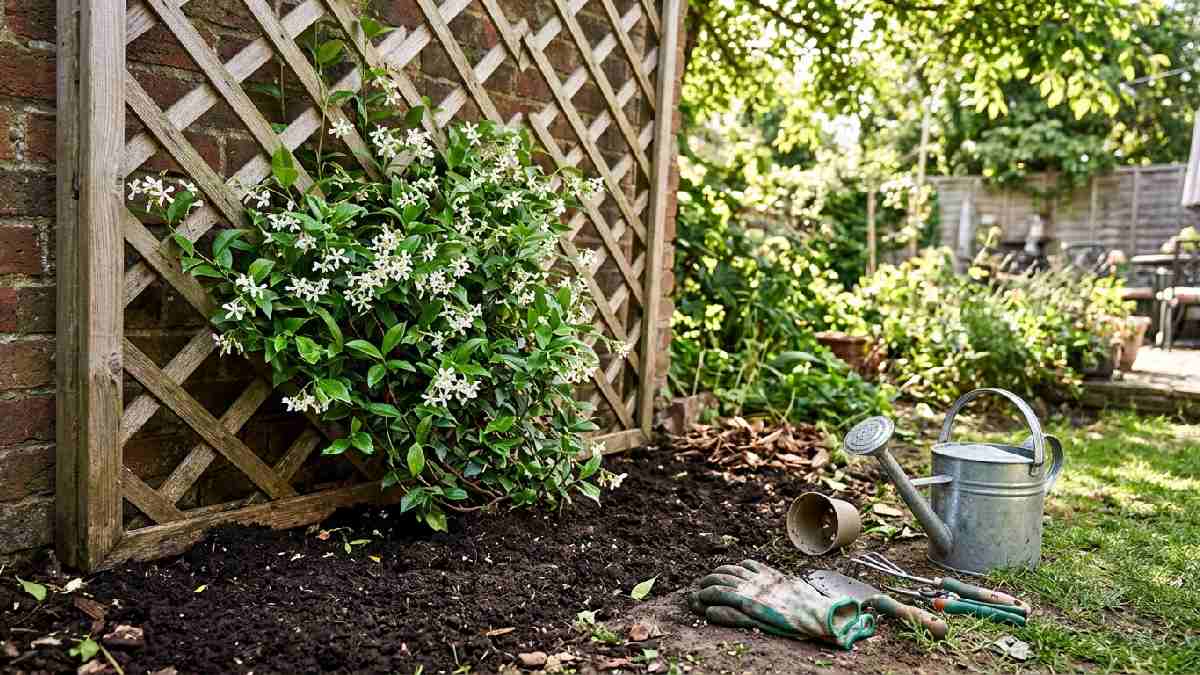
Step 1: Pick the right spot
Most types want at least six hours of direct sun each day. In very hot regions, morning sun plus light afternoon shade helps protect the leaves from scorching.
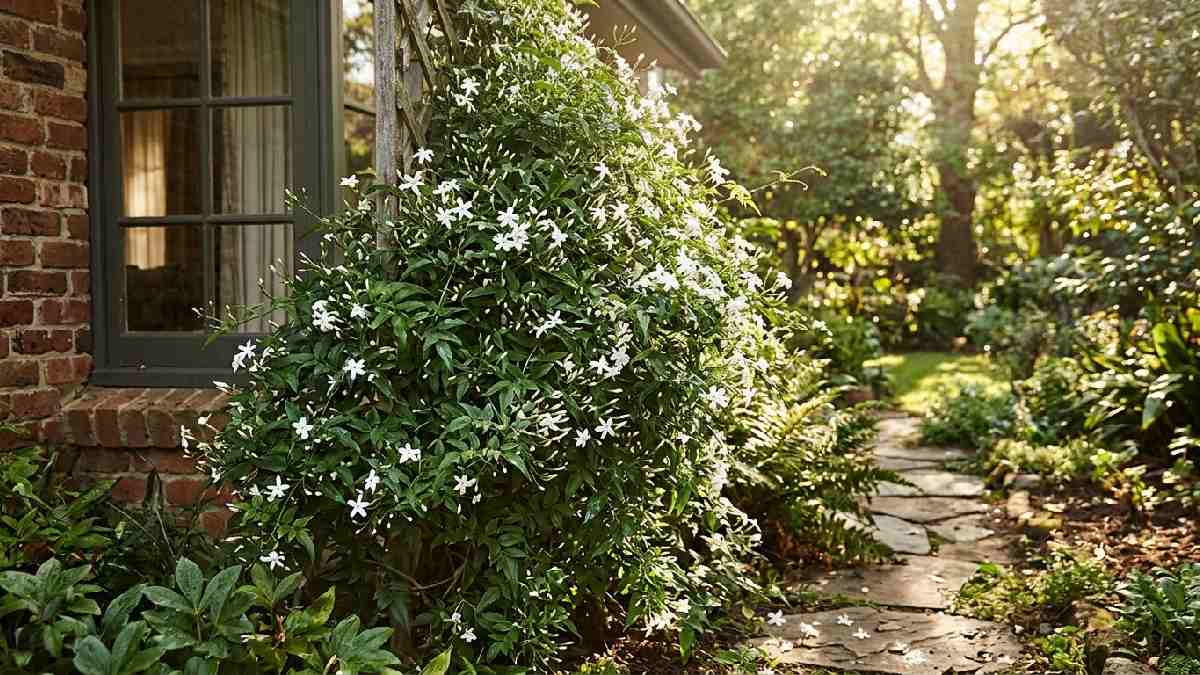
Choose somewhere near a path, a window, or a seating area, because the scent is basically the whole point.
Step 2: Get the Soil Ready
These plants really want soil that is loose, well-drained, and kinda packed with organic matter, yep. Try mixing compost into your garden soil, and if your spot is heavy clay, throw in sand or perlite a little, just lightly.
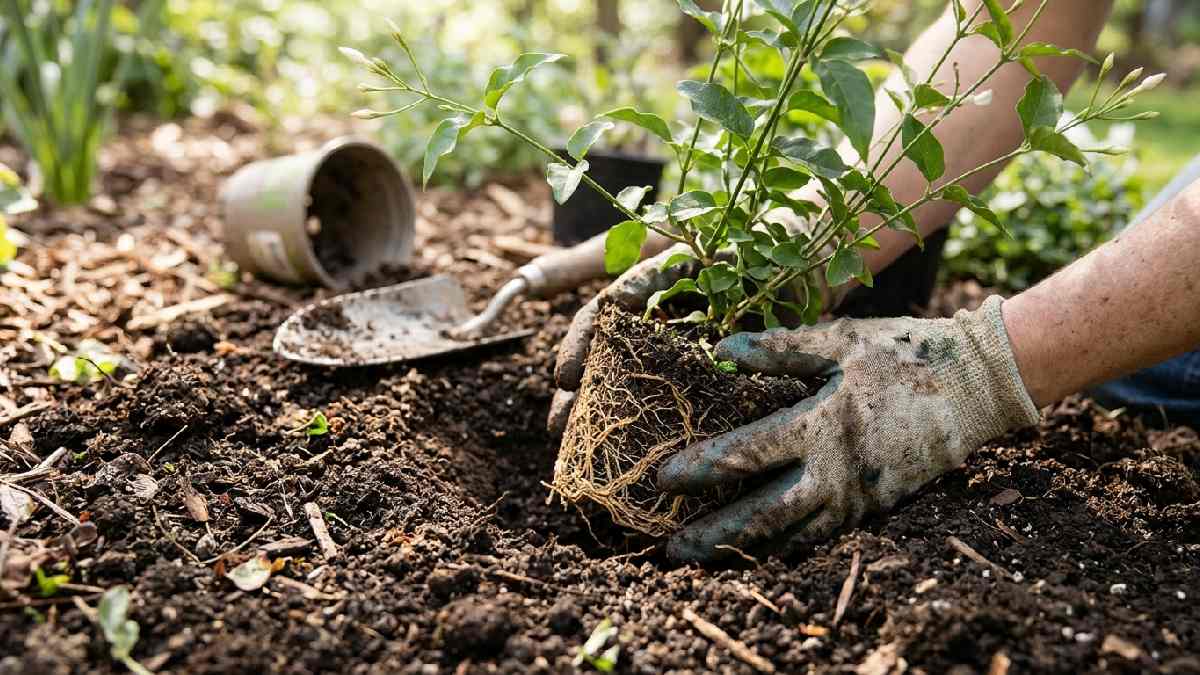
You want it near slightly acidic to neutral, okay. And if the roots stay in waterlogged conditions, it’s basically the number one killer, every time, no debate.
Step 3: Plant at the Right Time
Spring and early autumn are usually your best bet, when the temperatures are calmer, not all wild. Dig a hole about twice as wide as the root ball, set the plant at the same depth it was sitting at in its pot, then press the soil down gently. Water deeply right after you plant. In hot regions, don’t pop it in during peak summer; midday heat is no joke.
Step 4: Give It Some Support
Climbers need something solid to grab on. Put up a trellis, wire, or a fence before planting, so you’re not later trying to nudge roots around (which you really don’t want to do).
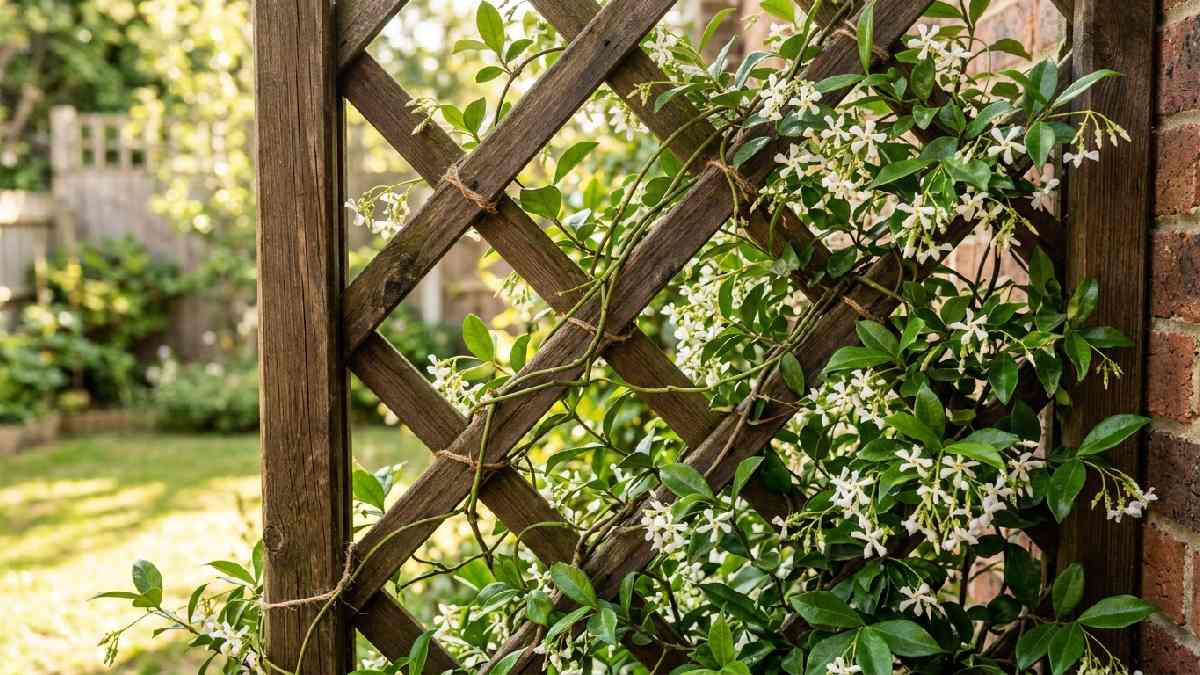
Tie new stems loosely, and guide them in the direction you’re trying to grow them.
Step 5: Water the Right Way
Water deeply only when the top few centimetres of soil feel dry, then let it drain properly, fully. New plants usually need more regular watering during that first season. After that, established plants are fairly drought tolerant, but they flower better with steady moisture in summer. Always water near the base, so the leaves stay drier , and fungal stuff is less likely to show up.
Step 6: Feed, but not too Much
In spring, use a balanced fertiliser, then when buds start to form, switch to something higher in potassium, like a bloom formula. Too much nitrogen can push all that energy into leaves and almost no flowers, and honestly that’s one of the most common reasons jasmine won’t bloom.
Step 7: Prune After the Flowers Fade
Prune soon after the main wave of blooms, because many jasmine types flower on older wood. Start by removing dead, tangled, and weak stems, then tidy it up and shape it. A little frequent pruning keeps it neat, and it encourages fresh growth too.
Growing Jasmine in Pots
Pots can work really well for Arabian and pink types. Pick a container at least 30 cm across, make sure it has drainage holes, use a good potting mix, and plan to repot every two to three years. Since containers dry quickly, check moisture pretty often during summer. If you’re in a cold climate, move the pots indoors to a bright spot before the first frost actually hits.
Common Jasmine Problems and Easy Fixes
No flowers. Usually this is from not enough sun, too much nitrogen, or pruning at the wrong time. Move it into brighter light, adjust fertiliser, and prune only after flowering.
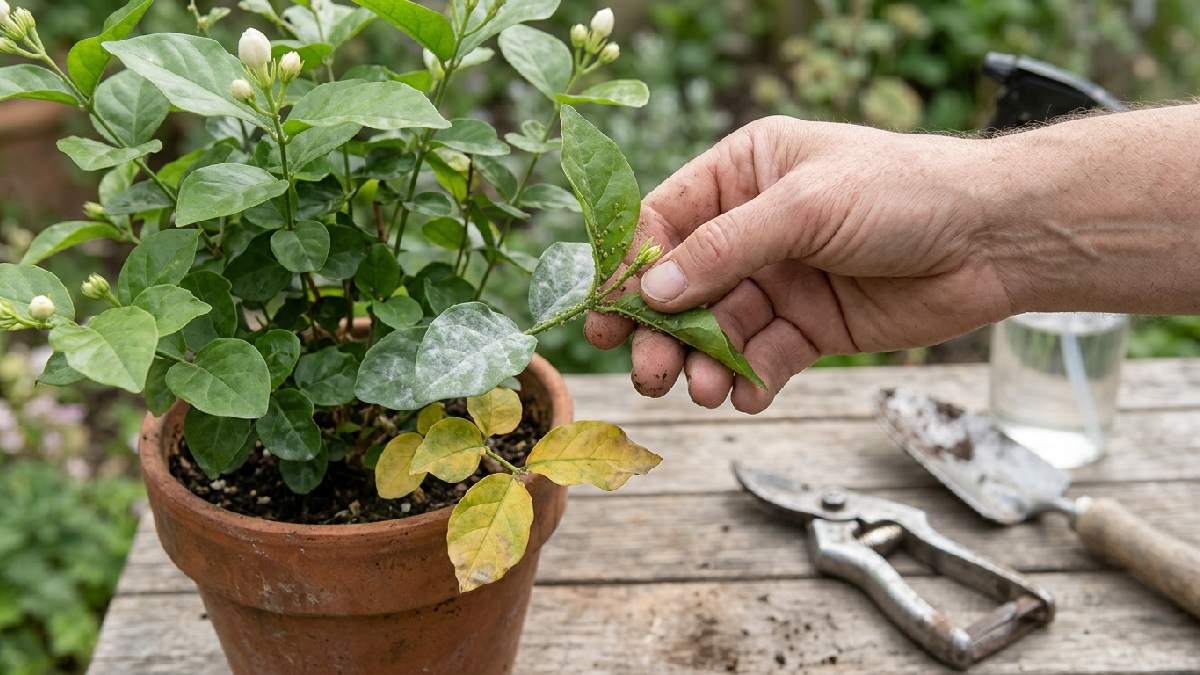
Yellow leaves. Most times it’s overwatering, or drainage that isn’t doing its job. Let the soil dry out a bit between waterings, and make sure the bed or pot drains freely. Yellowing can also hint at iron shortage, especially in alkaline soil.
Sticky leaves and tiny insects. Aphids, whiteflies, or scale are the usual troublemakers. Rinse with a strong spray of water first, then use insecticidal soap or neem oil weekly until things look clear again.
White powder on leaves. That’s powdery mildew. Improve airflow, water at the base, and remove the badly affected leaves; don’t just wait and hope.
Leaf drop in winter. Some jasmine kinds are semi-deciduous and can lose leaves when it turns cold. That’s normal, but if leaves suddenly drop while the weather is still warm, it might be stress from moving, drought, or overwatering.
Most jasmine problems are manageable once you figure out the cause, and a healthy plant tends to bounce back more than people expect.
Frequently Asked Questions About Jasmine
Is jasmine safe for pets?
True plants in the Jasminum group are listed as non-toxic to cats, dogs and horses by the ASPCA. However, concentrated essential oils can harm pets, especially cats, so keep diffusers away from animals. Some look-alikes, such as gardenias, are toxic, so confirm the Latin name.
Can I grow jasmine indoors?
Yes, if you give it very bright light, ideally a south-facing window or a grow light. Pink and Arabian types are the best choices. Keep humidity moderate and avoid cold drafts.
How long does jasmine take to bloom?
A young plant often needs one to two years to flower well. Cuttings and seedlings take longer than mature nursery plants. Be patient, give it sun, and avoid heavy nitrogen.
Is jasmine tea good for you?
In moderation, yes, mostly because of the green tea base. It offers antioxidants and hydration, but it is not a medicine. Watch the caffeine and skip the sugar.
Does jasmine grow back every year?
The common and Arabian types are perennials that return every year if protected from hard frost. Prune lightly and feed in spring for the best display.
Conclusion
Jasmine is one of those plants that beginners can actually handle. Pick a type that fits your climate, give it plenty of sun and real good drainage, prune after flowering, and enjoy the scent for years. If you’d rather sip than plant, just grab a decent tea and brew it gently. Start small, one pot, one cup, or one cutting, and see how it fits your routine.