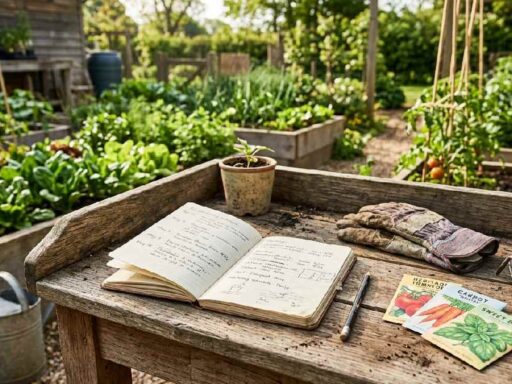



Old magazines have a smell: a little musty, a little sweet. You open a vintage garden magazine, and that smell hits you first. Then you see the pictures: hand-drawn flowers. Black and white photos of rose gardens. Old ads with prices that seem crazy low today.
It’s like a little trip back in time, and a lot of gardeners love it.
Maybe you found a stack of these at a flea market. Or in your grandma’s attic if so, you already get the appeal. If not, don’t worry. This guide will show you why people love these old magazines, and why some are worth real money.
Think about it: no internet, no fast search on your phone. Just a magazine, a pencil, and a notepad. That’s how people planned their whole garden season, once. It’s slower, but there’s something nice about that too.
What Is a Vintage Garden Magazine
It’s just an old magazine about gardening, usually from the 1920s to the 1980s, sometimes even older. These magazines talked about flowers, vegetables, garden design, tools, and plant care. Kind of like garden magazines today. But they look and feel different.
Old issues used simple black-and-white printing. Maybe a few color pages here and there. The layouts were plain, lots of text, simple drawings instead of fancy photos.

Some people collect these just for fun. Just to look at old stuff. Other people actually use the tips inside. A lot of old garden advice still works today.
Not every old garden magazine was the same, either. Some talked mostly about flowers and pretty yards. Made for people with big houses and a lot of free time. Others talked mostly about growing your own food. Made for regular families who needed their gardens to actually put food on the table.
Why These Old Magazines Still Matter
You might think old garden tips are useless now. But that’s not true. Plants still need sun, water, and good soil. That never changed.
What did change is style. Old magazines show us gardens from before things like heavy pesticide use took over. A lot of that old advice was simple and practical. People grew food to actually eat, not just to make their yard look nice.
You can also see how garden styles changed over time. First came neat, formal gardens. Then cottage-style gardens got popular. Then people wanted native plants and easy-care yards. Flip through old issues in order, and you can watch these trends change right in front of you.

Old magazines also show how gardening used to be a group thing. Garden clubs. Contests. Neighbors trading seeds. It wasn’t just one person alone in their backyard.
During hard times, like wars or money troubles, these magazines pushed food-growing even harder. Gardens weren’t just pretty back then. They helped feed families. That’s a big difference from how casual most people are about gardening today.
Popular Old Garden Magazines to Know
A few names show up again and again at flea markets and old bookshops.
- House & Garden — Known for pretty layouts and garden design tips.
- Better Homes and Gardens — A big name that’s been around for a long, long time.
- Organic Gardening — Loved by people who wanted natural, chemical-free growing.
- Horticulture Magazine — More technical. Made for serious plant lovers.
- Sunset Magazine — Popular out west, with tips for that region.
- The Garden (from the Royal Horticultural Society) — A British title with deep garden roots.
Each one had its own feel. Some were more scientific; some were more artsy. Some focused on growing food to survive.
There were also smaller, local magazines. These weren’t as famous, but they advised one specific area or climate. These can actually be more fun to find, since they’re rarer and more specific.

Some magazines also came and went fast. A title might run for just five or ten years before folding. Those short-lived titles are often the hardest ones to track down today, which is part of why collectors get excited when they spot one.
What’s Inside an Old Issue
Reading one of these feels different than reading a magazine today. Here’s what you’ll usually find.
Planting guides by month. What to plant, when, and how to take care of it.
Reader letters. People wrote in with garden problems. An expert wrote back with answers. These are honestly kind of charming to read now.
Old tool ads. Full pages showing hoes, trowels, and seed spreaders. Fun to see how tools looked way back then.
Recipes. Many old garden magazines had recipes too. Mostly for using up homegrown veggies and fruit.
Drawings of plants. Hand-drawn pictures of flowers and vegetables. Sometimes more detailed than a photo would be.

Garden club news. Local garden clubs were a big deal. Magazines shared updates from clubs all over.
Guest writers. Some issues had a regular writer sharing tips from their own garden. It reads like a letter from a friend.
Photos of prize gardens. Some issues showed off a reader’s amazing garden, with a quick interview about how they did it.
How to Guess the Age of a Magazine
No date on the cover? No problem. Here’s how to guess.
Look at the ads. Old phone numbers had letters in them, like “Elm-4589”; that’s a big clue it’s from way back. Prices in the ads also help. Really low prices usually mean an older issue. Check the paper; old paper turns yellow. It feels thin and can be a bit crumbly.

Look at the color printing. Full color everywhere is a newer thing. If most of the pages are black and white, it’s probably older.
Check the text size too. Old magazines packed in more small text per page. Newer ones use bigger pictures and more space.
Where to Find These Magazines
Hunting for these is honestly half the fun. Here’s where to look.
Estate sales. Older folks who gardened for years often kept stacks of magazines in a closet.
Flea markets. Some sellers focus just on old papers and magazines.
Used bookstores. Many have a small section just for old magazines.
Online sites. Great if you’re hunting for one specific issue.
Library sales. Libraries sometimes clear out donated magazines. Garden titles show up cheap.
Family attics. Ask your relatives. If they gardened, they might have a stash.
Estate cleanout companies. These businesses clear out whole houses. Sometimes they sell off boxes of old papers cheap.

Paper collector shows. Some events are just for old paper stuff — postcards, magazines, and more. Good spot to find a lot at once.
Yard sales. Not always full of magazines, but every once in a while you’ll spot a box of old ones for almost nothing. Worth peeking at, even if you don’t expect much.
How to Check Condition Before You Buy
Paper ages differently than metal or wood. Here’s what to look for.
Yellow pages. Normal, and expected. But if it’s brown and crumbly, that’s more of a problem.
Missing pages. Flip through it first. People used to cut out recipes and pictures they liked. Torn pages are common.
Water stains. Look for warped or stained pages. A strong musty smell can mean mold too.
A weak spine. If the spine feels loose or cracked, pages might start falling out soon.
Bug damage. Old paper can get chewed by little bugs like silverfish. Check the edges of the pages closely.
Faded print. Sun can fade old ink over time. It’s still readable, but it won’t look as sharp.

Is it complete? Make sure all the pages are there if that matters to you. Some sellers don’t mention missing pages.
The cover. Check if the cover is loose or barely hanging on. A weak cover means the whole magazine might fall apart faster with regular handling.
Staples or binding. Older magazines were often held together with staples. Check if they’re rusted through, since rusty staples can leave stains on nearby pages over time.
What Makes a Magazine Worth More
Not every old magazine is valuable. But a few things push the price up.
Rare titles. Magazines that didn’t last long are harder to find. That makes them worth more.
A great cover. A cool photo or drawing on the cover can make people want it more.
History. An issue that covered something big or important can be extra special.
Good condition. A clean copy is worth way more than a damaged one, even of the same issue.
A full set. A whole year, or several years in a row, is often worth more than loose single issues.

Famous names inside. Sometimes a writer or artist inside an old issue became famous later. That can make the issue worth more.
Age combined with rarity. Being old alone doesn’t make something valuable. But being old AND hard to find together usually does. Both things need to line up.
Can You Still Use the Advice Inside?
Yes, a lot of it still works. Basic planting times. Simple pest tips. A lot of it matches what modern organic gardening books say today.
In some ways, we’ve come full circle. People are moving away from heavy chemicals again. Back to the older, more natural way of doing things.
Just be careful with a few things. Some old magazines suggested chemicals we now know are bad for you or the environment. Read the old advice, but use a little common sense too.
It’s actually kind of fun to compare advice across different decades. One issue from the 1950s might say something totally different than one from the 1970s. Not because the plants changed. But because people learned more over time.
Even little things changed a lot. How often to water. How deep to plant seeds. Which bugs were seen as good or bad. None of it is set in stone, and old magazines are proof of that.
How to Store Your Collection
Old paper is fragile a little care goes a long way. Keep magazines out of direct sunlight. Sunlight makes them yellow and fade faster. Store them flat, not standing up. Standing up can bend the spine over time.
Keep them somewhere cool and dry. Not a damp basement not a hot attic. Both speed up damage don’t stack too many magazines in one pile. A tall stack can crease the pages near the bottom. For your favorite or most valuable issues, use acid-free folders. This protects the paper even more.

Try not to keep magazines in a spot where the temperature keeps changing a lot. Big swings between hot and cold, or wet and dry, wear paper down faster than a steady, calm spot ever would.
Displaying Old Magazines at Home
A lot of collectors like to show off a few favorites instead of hiding them all in a box.
You could frame a cool cover. Especially one with a bold, colorful drawing. A small stack on a coffee table looks nice too. Simple, but it adds character to a room.
Some people even cut pictures out of damaged issues and frame just those. It’s a nice way to save part of a magazine that’s too torn up to keep whole.
You could also switch out your display by season. Put out a spring issue in spring, a fall issue in fall. It’s a small touch, but it’s kind of fun.
What About Digital Copies
Not every old magazine survived. That’s where digital scans help. Some libraries and colleges have scanned old garden magazines and put them online for free.
This is great if you just want to read the content. It also protects real, fragile paper copies from wear and tear.
Digital copies are also handy for research. You can search for one topic across tons of old issues fast. Way faster than flipping through boxes at a flea market.

Still, most collectors like holding the real paper copy better. There’s just something about it a screen can’t copy.
If you’re not sure whether to start with digital or paper, digital is a nice, free way to test if you actually enjoy this hobby before spending money on real copies.
Mistakes New Collectors Make
A few things trip people up when they start collecting.
Not checking condition first. Getting excited and buying fast can lead to a bad surprise once you get it home.
Bad storage. Tossing magazines in a damp box or leaving them in the sun ruins them fast.
Overpaying for common issues. Not every old magazine is rare. Some titles printed millions of copies. Those aren’t worth much.
Ignoring a musty smell. A strong smell can mean hidden damage, even if photos look fine.
Skipping research. A quick search online can tell you if something’s actually rare, or just old.

Handling pages too roughly. Old paper tears easy. Turn pages slowly and gently.
Buying based on the cover alone. A great-looking cover doesn’t always mean the inside pages are in good shape. Always check the whole magazine, not just the front.
Not asking questions online. If you’re buying from a website or an app, ask the seller for more photos before you pay. A blurry photo can hide a lot of damage.
Why Prices Stay Pretty Low
Compared to other old collectibles, vintage garden magazines are usually cheap. Way cheaper than old furniture or fancy antiques.
Why? Because a lot of them were printed. Millions of copies, some years. That means plenty are still out there. Supply is high, so prices stay low, even for issues that are decades old.
This is actually good news if you’re just starting out. You don’t need a big budget to build a nice little collection. A few dollars here and there adds up to something fun pretty fast.
Of course, rare titles or perfect copies can cost more. But most of what you’ll find won’t break the bank at all.
Collecting by Theme Instead of Just by Title
Some collectors don’t just chase one magazine name. They collect by theme instead. This can make things more fun and a little more personal.
For example, you could collect only issues about rose gardens. Or only issues with a certain kind of cover art. Or only issues from one specific year, no matter which magazine printed them.
This kind of collecting takes more digging. But it also makes your collection feel more like your own. Two different people could both collect vintage garden magazines and end up with totally different shelves.

Some people even collect just the ads. Cutting out old seed catalog pages or tool ads and putting them in a scrapbook. It’s a smaller, cheaper way to enjoy the hobby without needing full magazines.
Giving Old Magazines as Gifts
Vintage garden magazines can make a really sweet gift. Especially for someone who loves gardening or loves old things.
Find an issue from the year they were born. Or the year they got married. Or just an issue with a cover that matches their favorite flower. It’s a small, thoughtful gift that doesn’t cost much.
You could even frame a single page as a gift. A pretty flower drawing or an old garden photo looks nice on a wall, and it costs way less than buying real art.
Gardeners who already have everything else often love gifts like this. It feels personal. It feels like you actually thought about what they’d enjoy.
A Little Bit of History Behind These Magazines
Garden magazines have been around a long time. Some of the oldest ones go back to the 1800s. Back then, gardening was mostly for wealthy people with big properties and full-time gardeners working for them.
Over time, that changed. More regular families started gardening too. Magazines shifted their advice to match. Smaller yards. Simpler tools. Advice that fit a normal family, not just a big estate.
By the middle of the 1900s, garden magazines were everywhere. Almost every household with a yard had one lying around somewhere. TV wasn’t the main way people learned things yet, so magazines carried a lot of weight.
Then slowly, things changed again. TV shows about gardening became popular. Later, the internet took over almost completely. A lot of these old magazines stopped printing. Some just faded away quietly. Others got bought out by bigger companies and changed completely.

Knowing this history helps explain why some old issues feel so different from magazines today. They were made for a totally different world. No screens. No fast information. Just paper, patience, and a mailbox.
FAQ
How much are these magazines worth?
Common issues sell for just a few dollars. Rare ones, or full sets, can sell for a lot more.
Can I still use the tips inside?
Yes, a lot of it still holds up. Just be careful with any old chemical advice.
Where's the best place to start?
Estate sales and used bookstores are cheap and easy places to start looking
Where should I store my collection?
Somewhere flat, cool, dry, and out of the sun. That keeps paper in good shape the longest.
Is a damaged magazine still worth keeping?
Sometimes, yes. Especially if the content or pictures are rare. Just don't expect it to sell for much.
Conclusion
A vintage garden magazine is like a little window into the past. It shows you how people gardened before the internet. Before quick online searches. Just paper, pictures, and good old advice.
The drawings. The old ads. The seasonal tips. It all adds up to something more interesting than just paper sitting in a box.
Maybe you’re collecting just for fun. Maybe you actually want the old tips for your own garden. Either way, there’s something nice about flipping through pages that survived way longer than most magazines ever do.
Somewhere out there, in an old attic or a dusty flea market pile, there’s a magazine waiting to be opened again. All it needs is someone curious enough to pick it up.
You don’t need to know everything about old magazines to enjoy them. You don’t need a big collection or a lot of money either. Just grab one issue. Flip through it slowly. Read a page or two. That’s really all it takes to see why so many people fall in love with this hobby.