

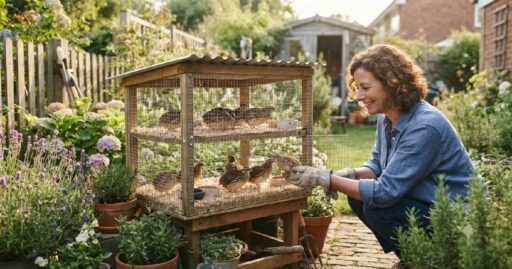
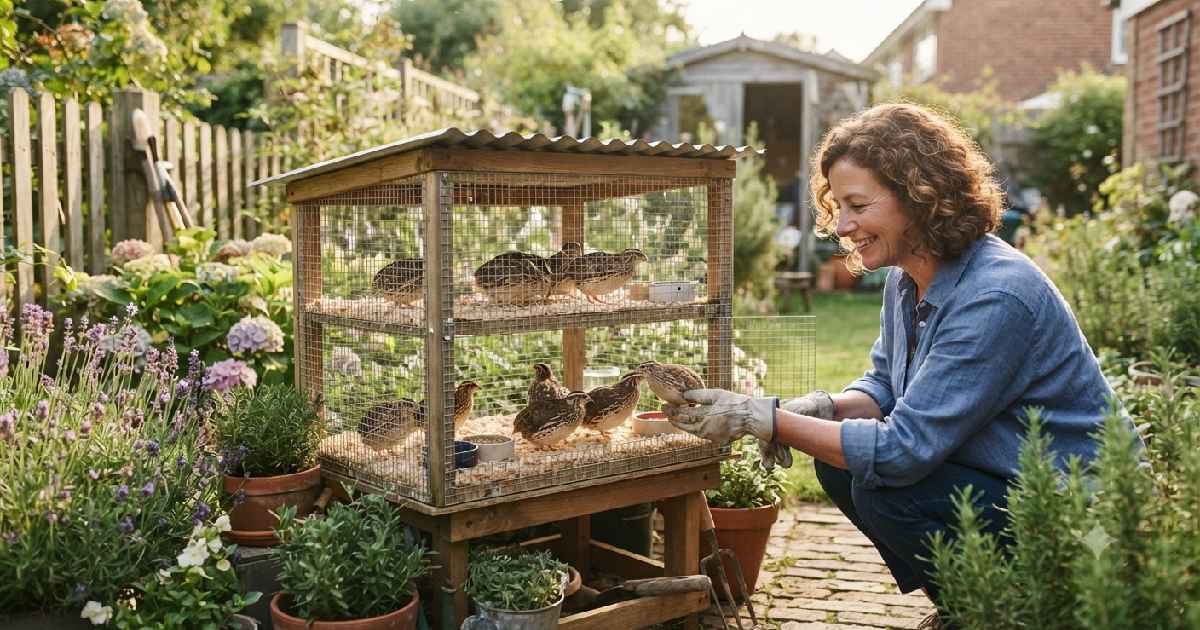

Quail Farming at Home: The Best Complete Beginner’s Guide for 2026
Quail farming at home is one of the smartest choices for small-space food producers today. Quails are tiny birds that give big results every season. They need less space, less food, and less money than chickens. Even beginners can start quail farming at home with simple tools and very basic knowledge.
Quails lay eggs fast, grow quickly, and cost very little to maintain daily. This complete guide covers housing, feeding, breeding, health care, and profit tips for every beginner who wants to start quail farming at home right now.
Why Choose Quail Farming at Home?
Quail farming at home is a perfect choice for urban and suburban homeowners with limited space. These small birds fit easily into tight areas like balconies, garages, and small backyards. They are very quiet compared to chickens. Neighbors rarely notice them at all.
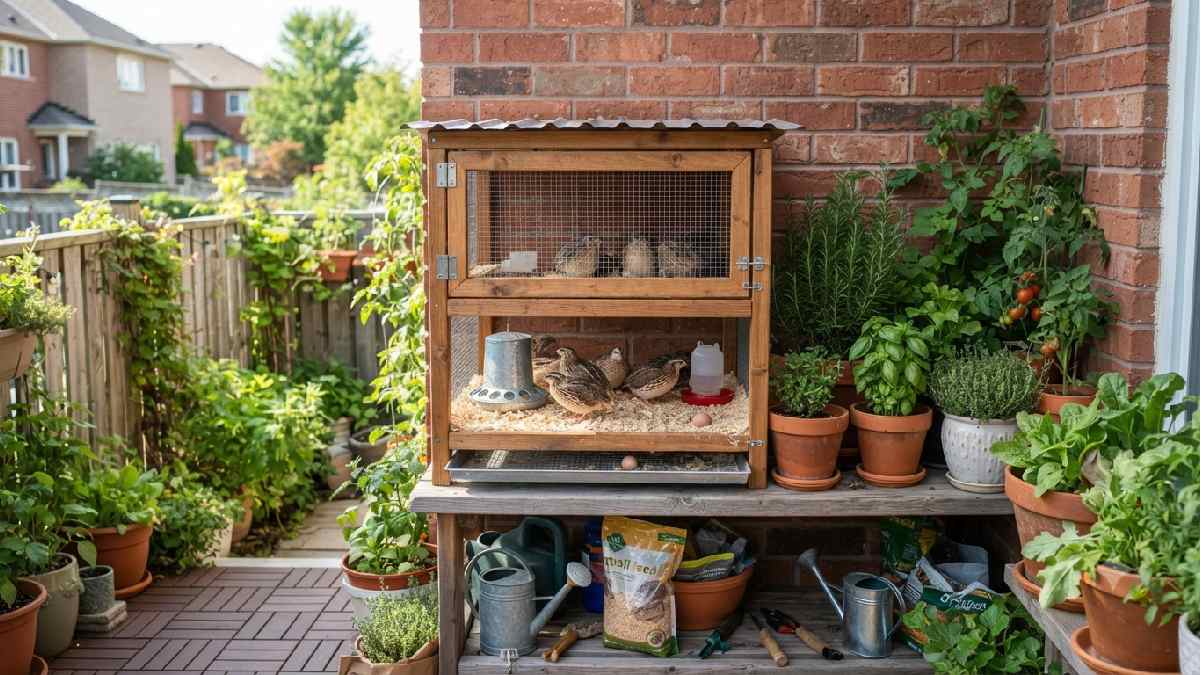
Quails start laying eggs in just 6 to 8 weeks. That is much faster than any other backyard poultry bird. Their eggs are packed with protein and nutrients. Quail farming at home gives you fresh food right from your own backyard every single day of the year.
Best Quail Breeds for Home Farming
Choosing the right breed is the very first step in quail farming at home. Not all quail breeds perform the same way. Some breeds are better for egg production while others are better for fresh meat. Selecting the correct breed saves both time and money from the very beginning.
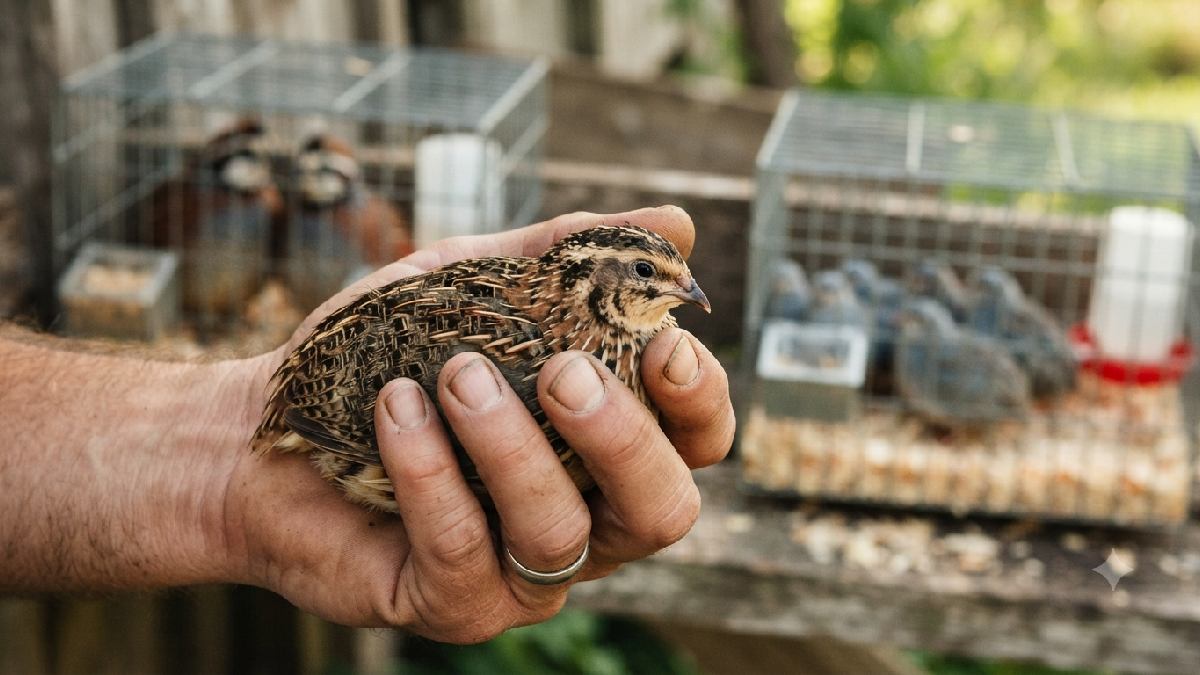
Beginners should research each breed carefully before making any purchase decision. The three most popular breeds used in quail farming at home are Coturnix, Bobwhite, and Button quail. Each breed has different strengths, laying rates, and suitability for small home setups.
Coturnix Quail
The Coturnix quail is the top breed for quail farming at home. It grows fast and starts laying eggs at just 6 weeks old. It produces up to 300 eggs per year easily.
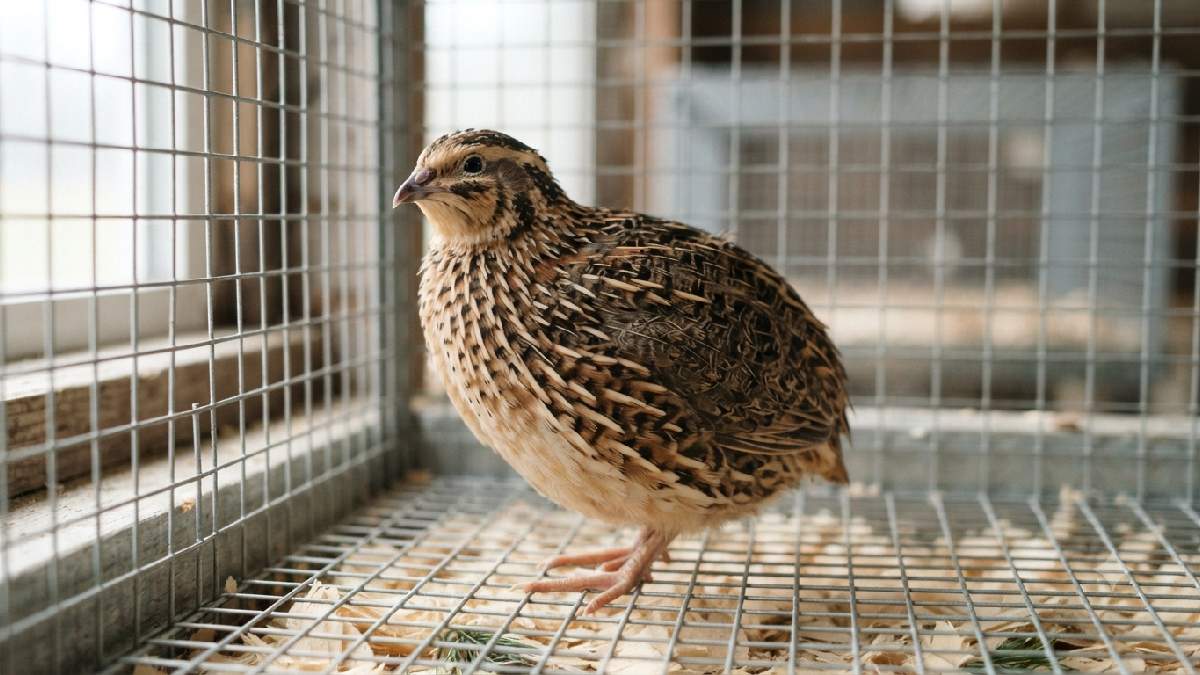
This breed is calm, easy to handle, and adapts well to small wire cages indoors or outdoors. It is the number one recommended breed for all beginners starting quail farming at home for the very first time today.
Bobwhite Quail
The Bobwhite quail is a North American breed popular for meat production at home. It is slightly larger than Coturnix and takes longer to mature fully. It lays fewer eggs per year but produces outstanding and very flavorful meat.
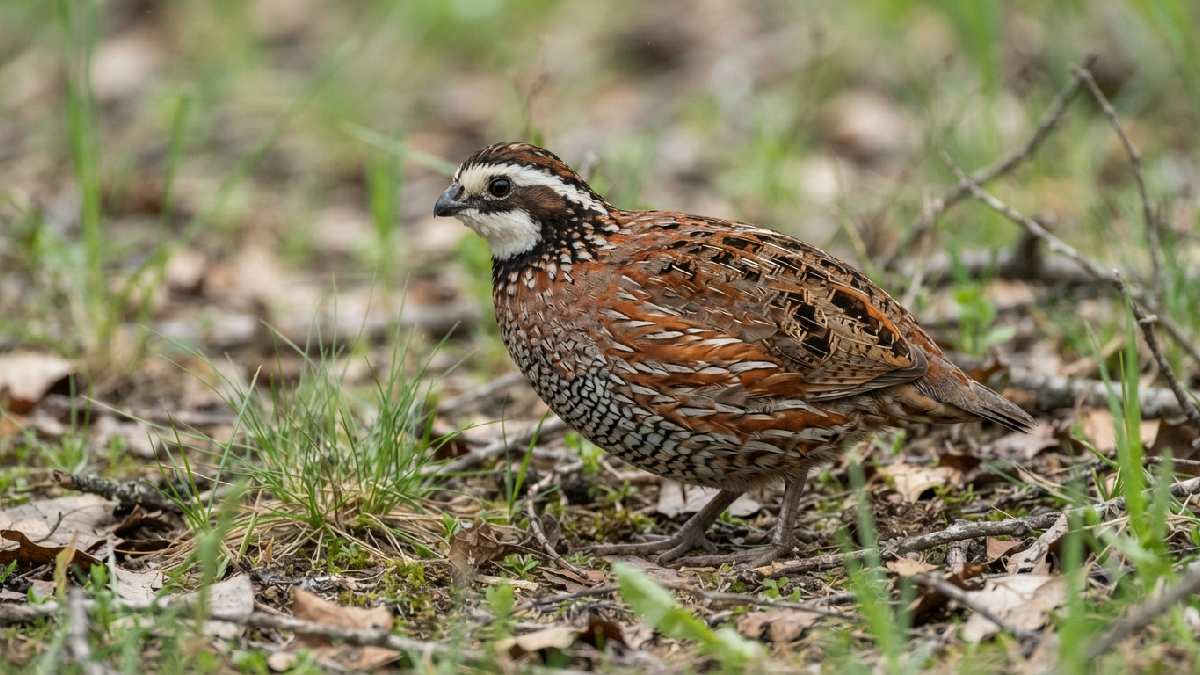
Many home farmers raise Bobwhite quails specifically to sell fresh meat at local markets. It is a great second breed choice for home farmers who want quality meat from their backyard farm.
Button Quail
Button quails are the smallest breed available for home farming today. They are mostly kept as pets or for decorative purposes by hobbyists only. They do lay very small eggs regularly but are not ideal for serious food production goals.
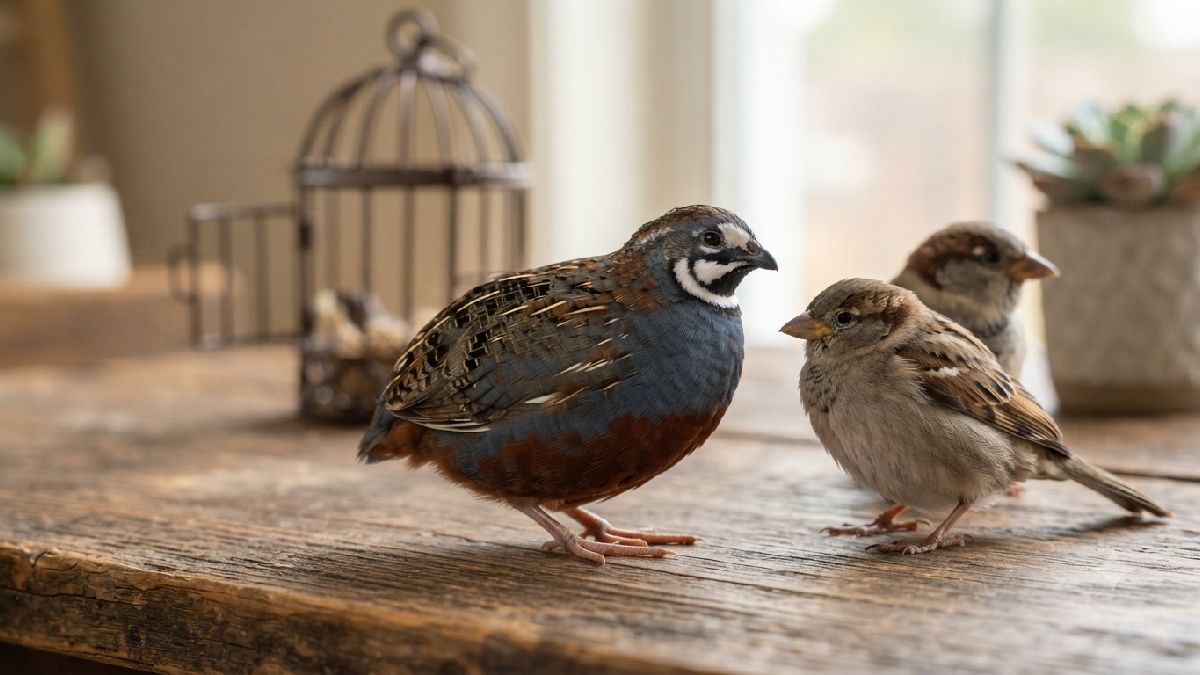
Beginners focused on real egg or meat output should avoid Button quails entirely. Choose Coturnix or Bobwhite breeds instead for much better and more consistent results at home every season.
Setting Up the Right Housing for Quail Farming at Home
Proper housing is the most important foundation of successful quail farming at home. Quails do not need large spaces to live well and stay healthy every day. But they absolutely need a safe, clean, and well-ventilated environment without exception.
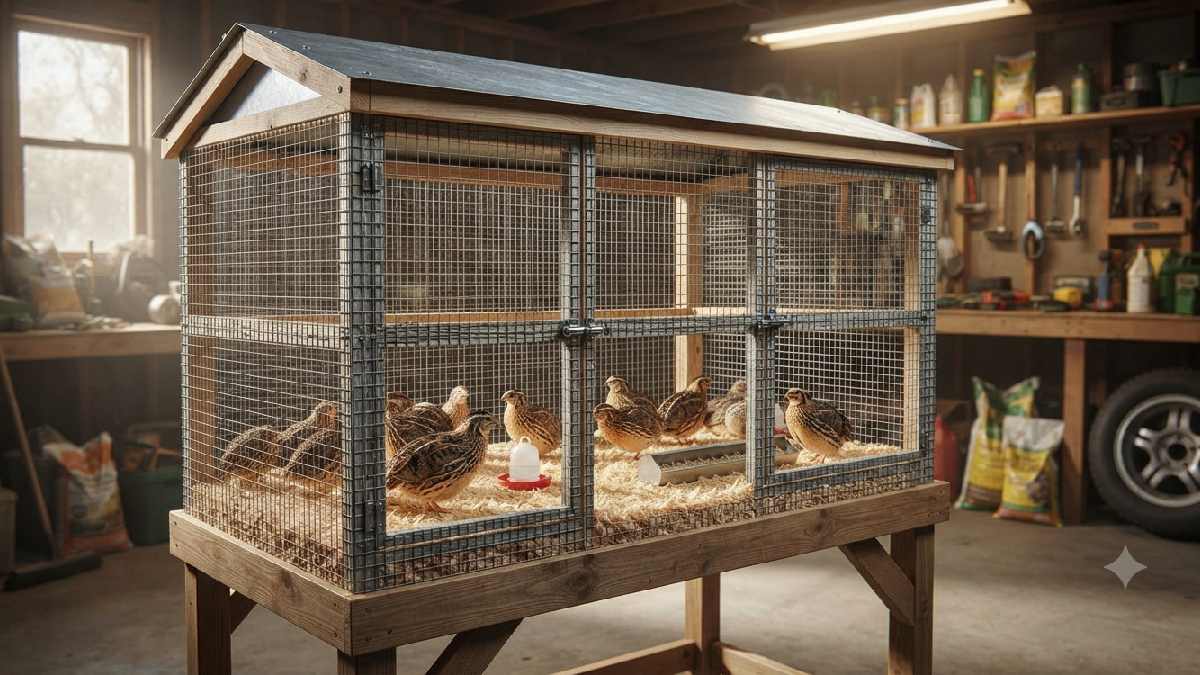
Poor housing directly causes stress, disease, and very low egg production over time. A good cage setup protects quails from predators and harsh weather. Both indoor and outdoor housing options work well depending on your available space, local climate, and starting budget for quail farming at home.
Cage Size and Space Requirements
Each bird needs about 1 square foot of cage space inside. For 10 quails, a 10 square foot cage is enough room. Wire cages work best because droppings fall through the floor easily. This keeps the cage dry and clean at all times.
Always add a solid roof to the cage. Quails jump very high when startled and can escape quickly from any open-top cage setup at home without warning.
Indoor vs Outdoor Housing
Both indoor and outdoor setups work well for quail farming at home. Outdoor housing suits mild and warm climates throughout the year. Bring quails inside during cold winter months to keep them safe and warm.
Indoor setups like garages, sheds, or spare rooms give better control over temperature and daily lighting. Choose the housing type that best fits your local weather and available space inside or outside your home.
Ventilation and Temperature Control
Good airflow is essential in every quail farming at home setup always. Poor ventilation causes respiratory disease in quails very quickly. Keep adult quail temperatures between 65°F and 75°F at all times. Baby quail chicks need 95°F warmth during their very first week of life.
Reduce heat by exactly 5°F each week as the chicks grow bigger and stronger. Always monitor temperature daily to keep your quails healthy inside their housing.
How to Feed Quails Properly in Home Farming
Feeding is one of the most critical parts of quail farming at home every single day. The right diet at every growth stage keeps quails healthy and productive always. Wrong feeding causes poor egg quality, slow growth, and serious health problems. Always use high-quality commercial feed made specifically for quails.
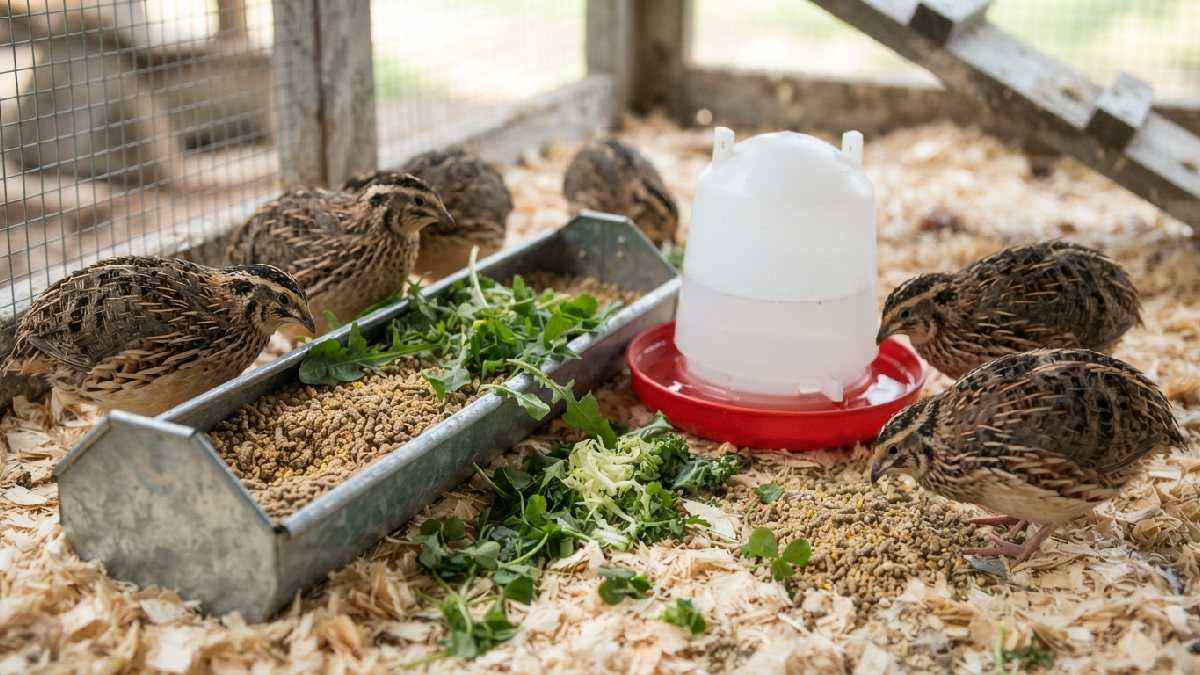
Add fresh greens, grit, and calcium supplements regularly. Provide clean and fresh water every single day without fail. Good daily nutrition is the most important key to running a productive and profitable quail farming at home operation for beginners.
Starter Feed for Baby Chicks
Baby chicks need high-protein starter feed from day one of quail farming at home. Look for feed with at least 28% protein content inside the bag. This supports fast and healthy growth during the critical first 6 weeks of life.
Give chicks fresh feed and completely clean water every single day. Use shallow feeders and small waterers that tiny baby chicks can reach easily without any risk of drowning.
Layer Feed for Egg-Laying Hens
Layer feed is essential for egg-laying hens in quail farming at home. Switch to layer feed as soon as females start producing eggs daily. Layer feed contains added calcium needed for forming strong and healthy eggshells every day.
Without enough calcium, eggshells become dangerously thin and break very easily during collection. Crushed oyster shells are a great natural calcium supplement to add alongside regular layer feed for best egg quality.
Egg Production Tips for Quail Farming at Home
Fast and consistent egg production is the greatest benefit of quail farming at home. Coturnix quails lay eggs almost every single day of the week. One healthy female produces 250 to 300 eggs per year with proper care. Quail eggs are small but packed with rich protein and key nutrients.
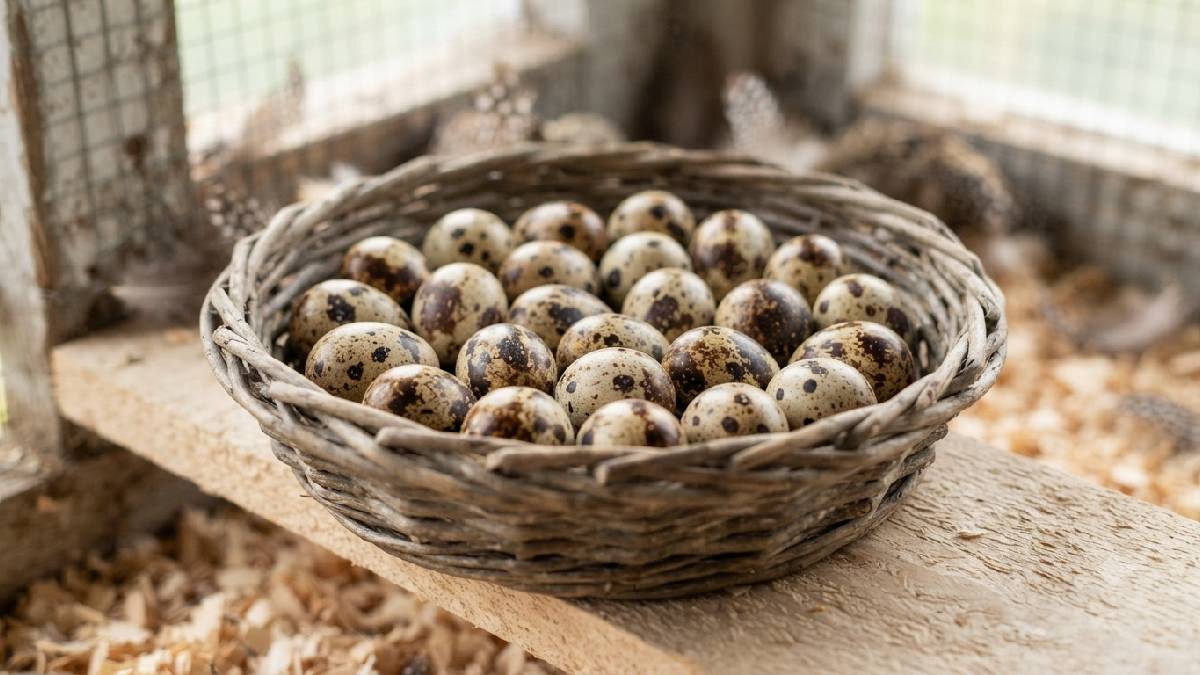
Many health buyers prefer quail eggs over regular chicken eggs. Good lighting, proper feeding, and a stress-free environment all directly impact daily egg output in quail farming at home every single month.
Lighting Schedule for Egg Production
Lighting directly controls egg production in quail farming at home every season. Quails need 14 to 16 hours of light per day to lay eggs consistently all year. Natural daylight works perfectly during long summer months. Use simple artificial grow lights during shorter winter days to maintain steady daily production.
A basic plug-in timer makes managing the lighting schedule very easy and affordable. Consistent lighting prevents production drops and keeps your home quail farm profitable every month.
Collecting and Storing Eggs
Proper egg collection is a key daily task in quail farming at home. Collect eggs at least once or twice every single day without skipping. Regular collection keeps eggs clean, fresh, and safe from breakage inside the cage.
Wipe dirty eggs gently with a dry cloth only. Store eggs in a cool and dry place away from direct sunlight. Quail eggs stay fresh for up to 3 weeks at room temperature and 6 weeks when refrigerated.
Health Care and Disease Prevention in Quail Farming at Home
Maintaining good health is simple when you follow clean daily practices in quail farming at home. Most quail diseases come from poor hygiene, wrong nutrition, or overcrowding inside small cages. Regular checks help you catch problems early before they spread across the flock.
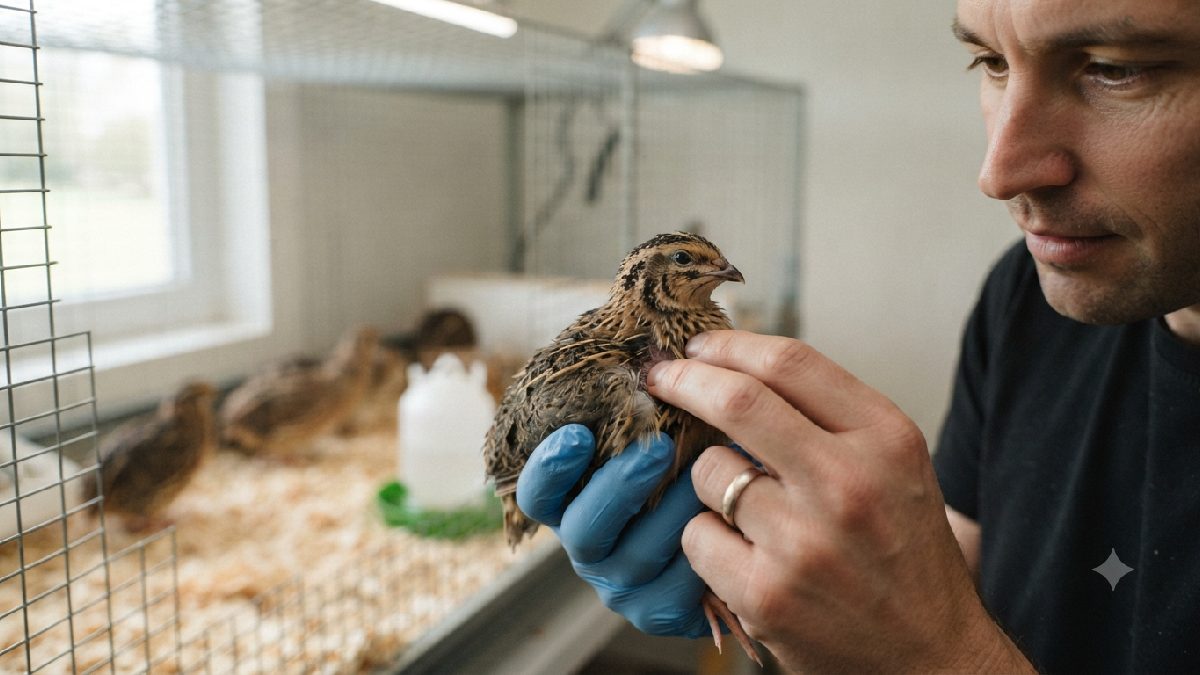
Clean the cage frequently, watch bird behavior daily, and act fast at the first sign of illness. Healthy quails always produce more eggs and grow faster than sick or stressed birds kept in any quail farming at home setup today.
Respiratory Infections
Respiratory infections are a very common problem in quail farming at home. They are caused mainly by poor ventilation and wet or dirty bedding inside cages. Symptoms include sneezing, coughing, and visible lethargy throughout the day.
Improve cage airflow immediately and replace all wet bedding right away. Always isolate sick birds from the healthy flock as fast as possible. Consult a local vet if symptoms continue for more than two or three days without improvement.
Mites and External Parasites
Mites are a serious and fast-spreading threat in quail farming at home setups. Check your birds regularly for red or scaly skin which are the main warning signs of mite infestation. Apply food-grade diatomaceous earth inside the cage to control mites naturally and safely.
Keep the cage clean and totally dry at all times to prevent future infestations from returning. Early detection and fast action protect your entire flock from serious parasite damage.
Breeding Quails Successfully at Home
Breeding is a very rewarding part of quail farming at home for beginners. It lets you grow your flock naturally without buying new birds every season. Understanding the correct male to female ratio and proper incubation is absolutely critical.
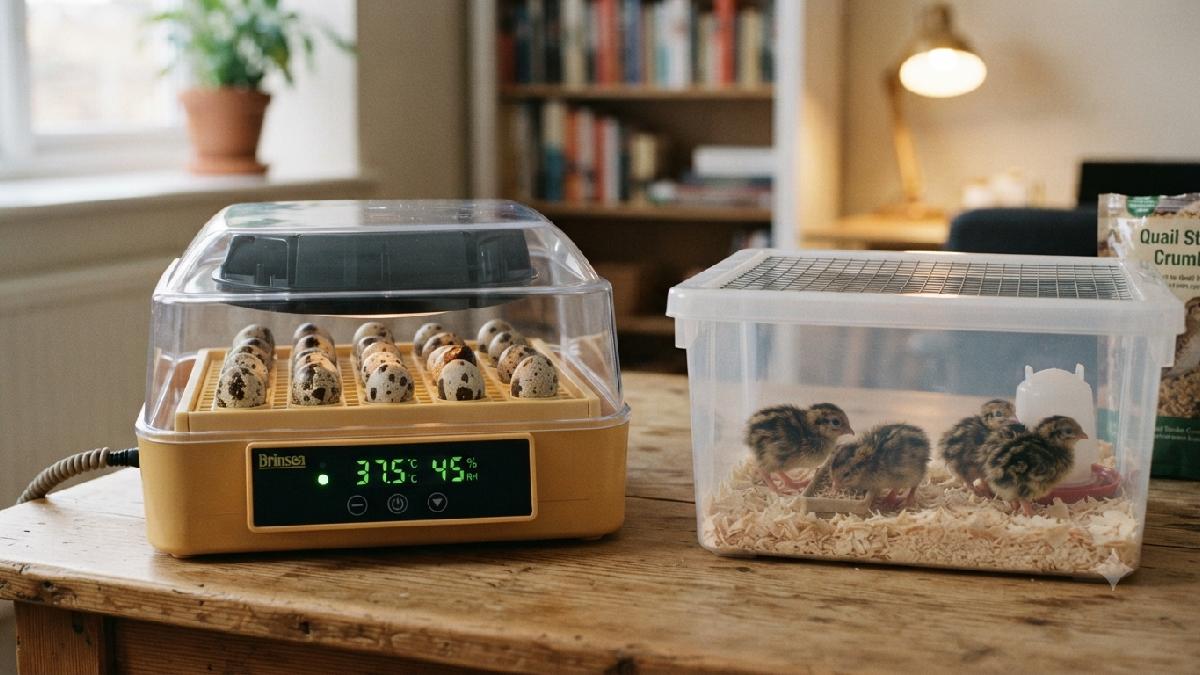
Successful breeding means more chicks, more eggs, and more profit every month. With a basic egg incubator and the right setup, you can hatch healthy chicks consistently all year long inside your quail farming at home operation without needing any advanced equipment.
Male to Female Ratio
The correct male to female ratio is very important in quail farming at home breeding. Keep one male for every three to five females inside the cage always. Too many males together cause serious stress, aggressive fighting, and physical injury among birds.
The right ratio ensures strong fertilization rates for hatching healthy chicks at home. You only need males if you plan to hatch fertilized eggs. For egg production only, no male is needed inside the flock at all.
Incubating Quail Eggs at Home
Incubation is a simple process in quail farming at home with the right equipment. Quail eggs take exactly 17 to 18 days to hatch inside a proper incubator. Keep the temperature steady at 99.5°F throughout the entire process.
Maintain humidity at 45% to 55% for the first 14 days. Raise humidity to 65% during the final 3 days before hatching begins. Turn eggs gently at least 3 times every day until day 14 of incubation completes.
Cost and Profit of Quail Farming at Home
Quail farming at home is one of the most affordable and profitable small livestock options for beginners. Startup costs are very low compared to raising chickens. Even a small flock of 20 quails generates steady income within just a few months.
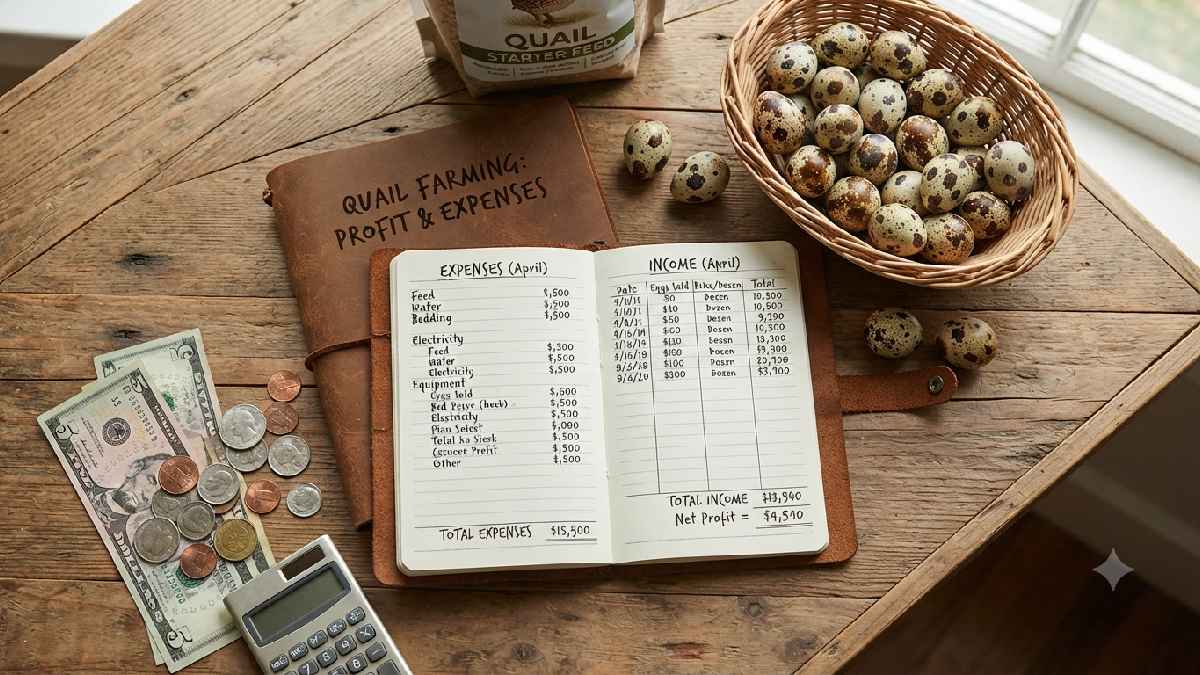
Quail eggs and fresh meat sell very well at local markets and directly to health-conscious buyers nearby. Quail farming at home offers real financial returns without needing a large farm, big investment, or years of prior farming experience to succeed.
Startup Costs for Beginners
Starting quail farming at home costs very little compared to other livestock options. A complete basic setup for 20 quails costs between $100 and $300 total. This includes a wire cage, feeders, waterers, bedding material, and initial feed supply.
Baby quail chicks cost just $2 to $5 each depending on breed and local availability. Adult laying hens cost $5 to $15 per bird. Starting small keeps the initial financial risk very low while you learn everything properly.
Monthly Income from Eggs and Meat
Monthly income grows steadily with successful quail farming at home over time. A flock of 20 healthy laying hens produces up to 500 eggs every single month consistently. Quail eggs sell for $3 to $6 per dozen at local farmers markets.
Quail meat sells for $4 to $8 per processed bird depending on your local area. Most beginners break even within just 3 to 4 months of starting. After that, quail farming at home becomes a reliable and steady monthly income source.
Top Practical Tips for Quail Farming at Home Success
Following the right daily practices makes all the difference in quail farming at home. Small consistent actions every day produce the best long-term results for your flock. Beginners often make avoidable mistakes in early stages of quail farming at home that cost time and money.
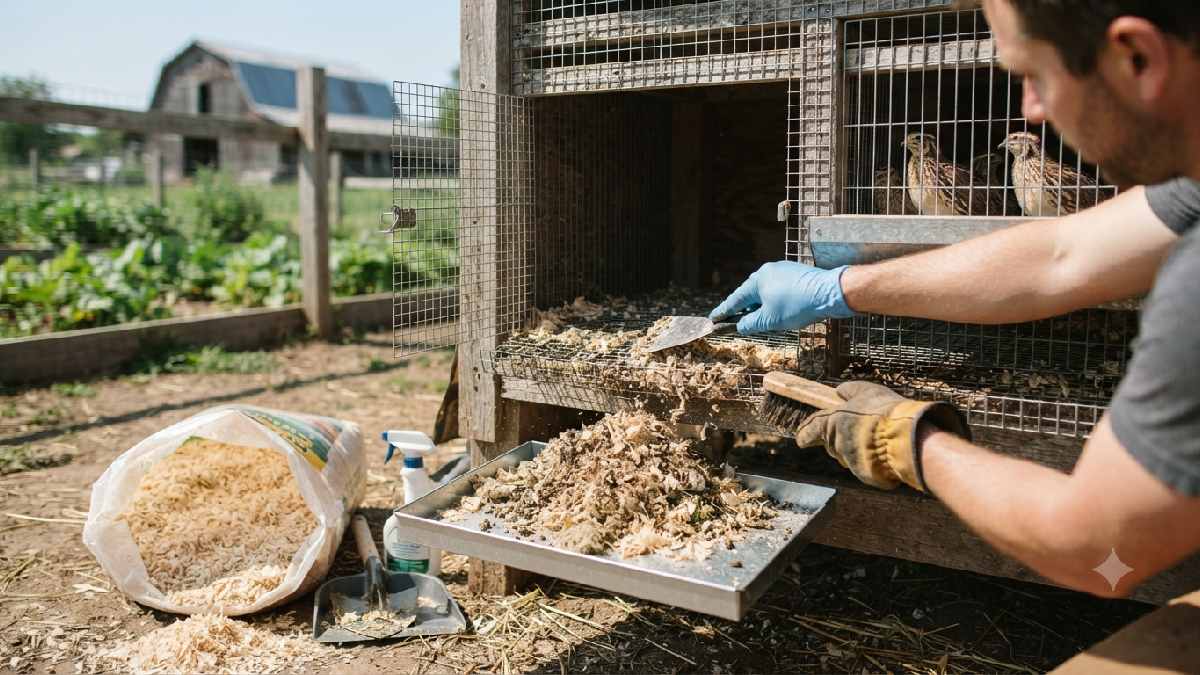
Learning the right tips early saves frustration and increases profits faster. Keep the cage spotless, manage lighting carefully, reduce stress always, and monitor your birds daily for any signs of illness inside your home setup.
Keep the Cage Clean Daily
A clean cage is the number one rule in quail farming at home every day. Clean the cage thoroughly at least two times every week without skipping. Remove all old droppings, leftover food, and wet bedding immediately during each cleaning session.
Dirty cages attract flies, bacteria, and disease very quickly into your flock. A consistently clean and dry environment keeps your quails healthy, active, stress-free, and producing fresh eggs at maximum capacity every single day.
Reduce Stress for Better Production
Stress is the biggest hidden enemy in quail farming at home operations. Quails are very sensitive birds that react strongly to loud noises and sudden movements. Overcrowding inside the cage is another major cause of serious daily stress.
Stress drastically lowers egg production across the entire flock very quickly. Keep the environment completely calm and stable at all times. Avoid handling birds too frequently especially during the first few weeks of starting your home quail farm.
FAQ
Can I raise quails in a small apartment at home?
Yes. Keep 5 to 10 quails in a compact indoor cage. Clean the cage regularly to control odor and maintain good hygiene inside your living space daily.
How many quails should a complete beginner start with?
Start with 10 to 20 quails. This manageable number produces enough eggs for personal use and small local sales without overwhelming any new beginner farmer.
Do quails need a male bird to lay eggs daily?
No. Females lay eggs without any male present at all. You only need a male if you want to hatch fertilized baby chicks at home.
Are quails noisy birds that disturb neighbors?
Quails are much quieter than chickens always. Males produce soft and gentle calls that are never loud enough to seriously disturb any nearby neighbors at all.
What is the best quail breed for beginners at home?
Coturnix quail is the best breed for beginners. It lays eggs at just 6 weeks old and produces up to 300 eggs per year very consistently.
Is quail farming at home really profitable for small farmers?
Yes, absolutely. Low startup costs, very fast egg-laying, and strong local demand make quail farming at home genuinely profitable for every beginner home farmer today.
Conclusion
Quail farming at home is a truly excellent choice for beginners, urban dwellers, and small-space food growers everywhere today. These compact and easy-to-manage birds produce fresh eggs faster than any other backyard poultry bird available right now. With the right housing setup, correct daily feeding, and a consistent care routine, even a very small home flock delivers steady eggs and nutritious fresh meat throughout the entire year without any major effort or expense.
Starting small is always the smartest approach for every beginner. Learn the basics of housing, feeding, lighting, and health care thoroughly before expanding your flock size. Mistakes in the early stages are normal and very easy to fix when you stay observant and act fast. Quail farming at home also gives you a genuine opportunity to earn extra income every single month.
Fresh quail eggs and meat are always in high demand at local markets and among health-conscious buyers nearby. Many beginners start breaking even within just 3 to 4 months of their very first setup. The best time to start quail farming at home is right now. Do not wait for the perfect moment or the perfect setup. Start with 10 to 20 quails, follow this guide carefully, and grow your flock steadily with confidence every single day.