

Small Space Vegetable Gardening Tips for Every Home Gardener
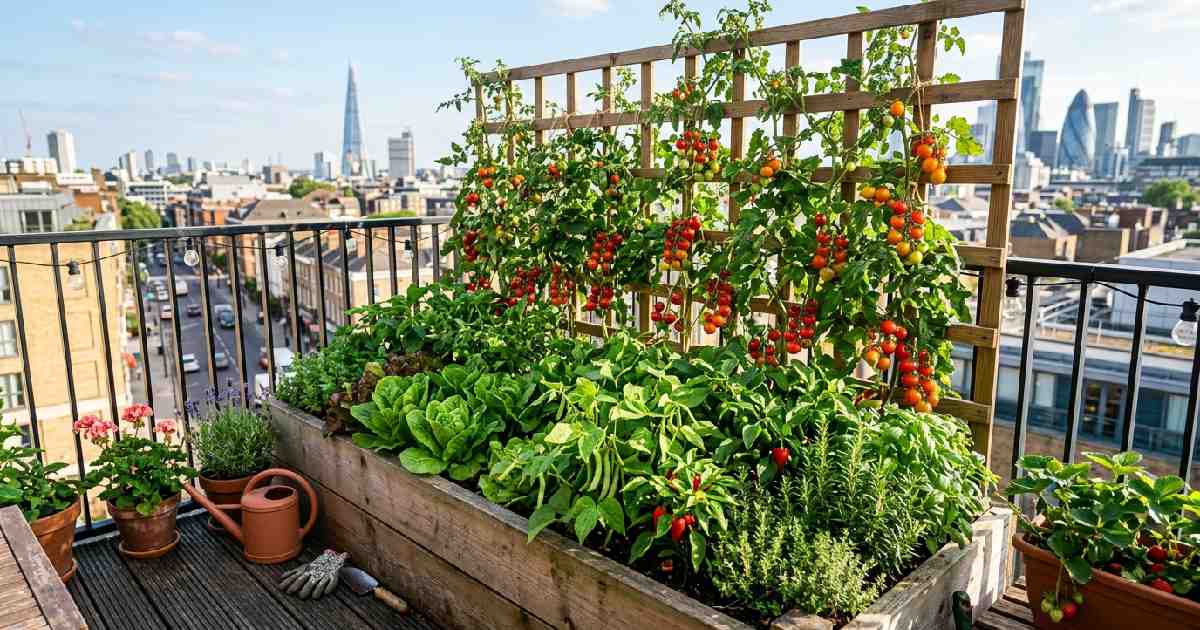
Small space vegetable gardening tips help you grow food anywhere. You do not need a big yard. A balcony, patio, or windowsill is enough. Many people think gardening requires a lot of land. That is not true. Smart planning makes small spaces very productive. Small space vegetable gardening tips teach you to use every inch wisely.
Vertical growing, containers, and raised beds all help. Fresh vegetables can grow in tiny areas. You save money and eat healthier food. Small space vegetable gardening tips work for beginners and experts. Start small and grow bigger every season. Your small space can produce amazing results.
Why Small Space Vegetable Gardening Tips Matter Today
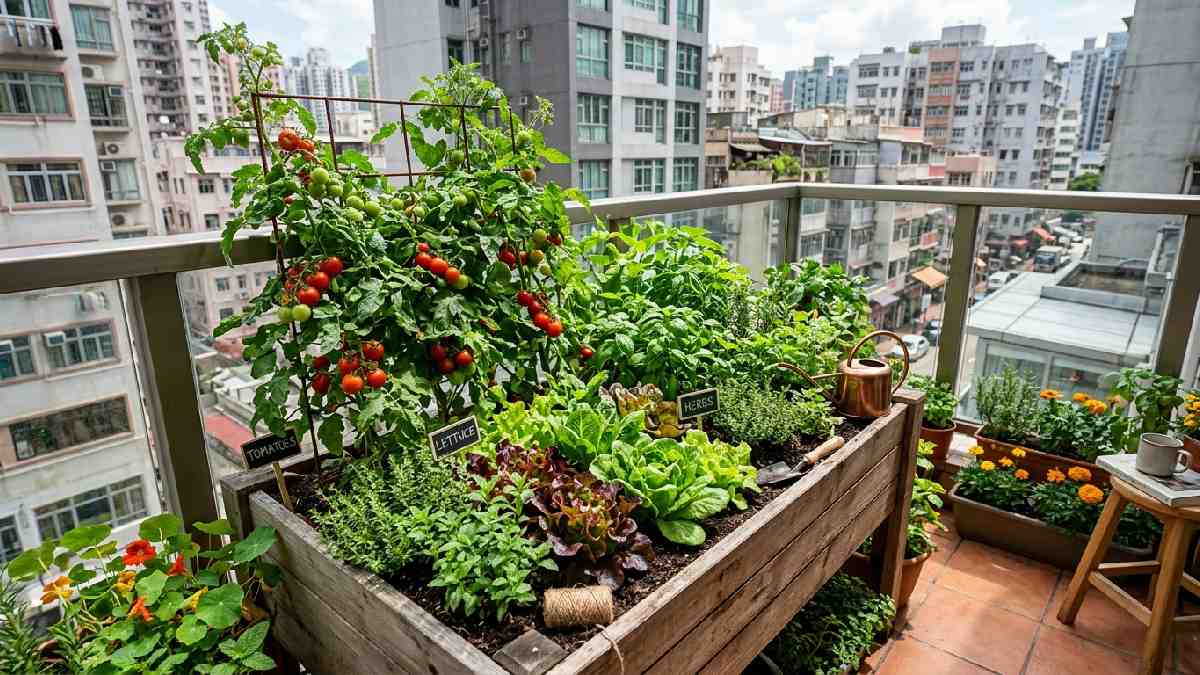
Small space vegetable gardening tips are more important than ever. Cities are growing fast. Most people live in apartments or small homes. They have limited outdoor space. But everyone deserves fresh food. Small space vegetable gardening tips solve this problem. They show how to grow tomatoes, herbs, and greens in tiny spots. Urban gardening is rising worldwide.
People want to know where their food comes from. Home-grown vegetables are fresher and healthier. Small space vegetable gardening tips also save money on groceries. They reduce food waste and carbon footprint. Learning these tips gives you food independence. Every small garden makes a big difference for health and environment.
Choose the Right Vegetables for Small Spaces
Choosing the right vegetables is a key small space vegetable gardening tip. Not all vegetables suit small spaces. Compact and fast-growing plants work best. Lettuce, spinach, and radishes are perfect. They grow quickly and need little room. Cherry tomatoes grow well in pots. Peppers and herbs are also great choices.
Avoid large plants like pumpkins or corn. They take too much space. Bush beans are better than pole beans for small areas. Carrots grow well in deep containers. Pick vegetables your family actually eats. This makes your small garden more useful and rewarding every day.
Best Containers for Small Space Gardening
Containers are essential for small space vegetable gardening tips. They let you garden anywhere. Pots, buckets, window boxes, and fabric bags all work well. Choose containers with good drainage holes. Roots need air and water to stay healthy. Plastic pots are lightweight and affordable. Terracotta pots look beautiful but dry out fast.
Fabric grow bags are excellent for tomatoes and peppers. They improve root health naturally. Window boxes are perfect for herbs and lettuce. Use containers of different sizes for different vegetables. Large containers hold more soil and moisture. Good containers make small space gardening very productive and easy.
Using Vertical Space in Small Gardens
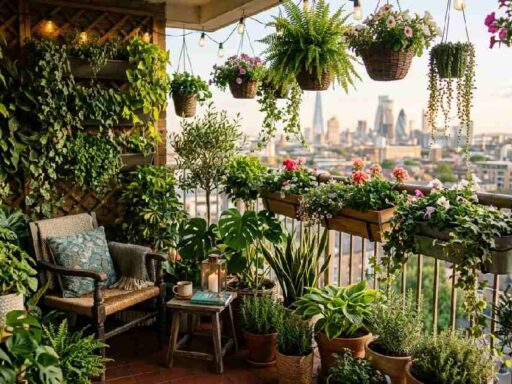
Vertical growing is one of the best small space vegetable gardening tips. Grow plants upward instead of outward. Use trellises, wall planters, and hanging baskets. Cucumbers and beans climb trellises easily. This saves ground space for other plants. Wall-mounted planters hold herbs and greens. Hanging baskets work well for strawberries and cherry tomatoes.
Vertical gardens also look beautiful on balconies. They create a green wall effect. Pallet gardens are another great vertical option. They are cheap and easy to build. Using vertical space doubles your growing area. This is one of the smartest small space vegetable gardening tips available.
Soil Quality for Small Space Gardens
Good soil is critical for small space vegetable gardening tips. Container plants depend fully on their soil. Garden soil alone is too heavy for containers. Use a quality potting mix instead. It drains well and holds moisture. Add compost to boost nutrients naturally. Compost improves soil structure and plant health. Worm castings are also great additions.
They feed plants slowly and steadily. Refresh soil every growing season. Old soil loses nutrients over time. Good soil gives plants the best start. It is the foundation of every successful small space garden. Never skip this important step in your gardening journey.
Smart Layout Planning for Small Space Vegetable Gardens
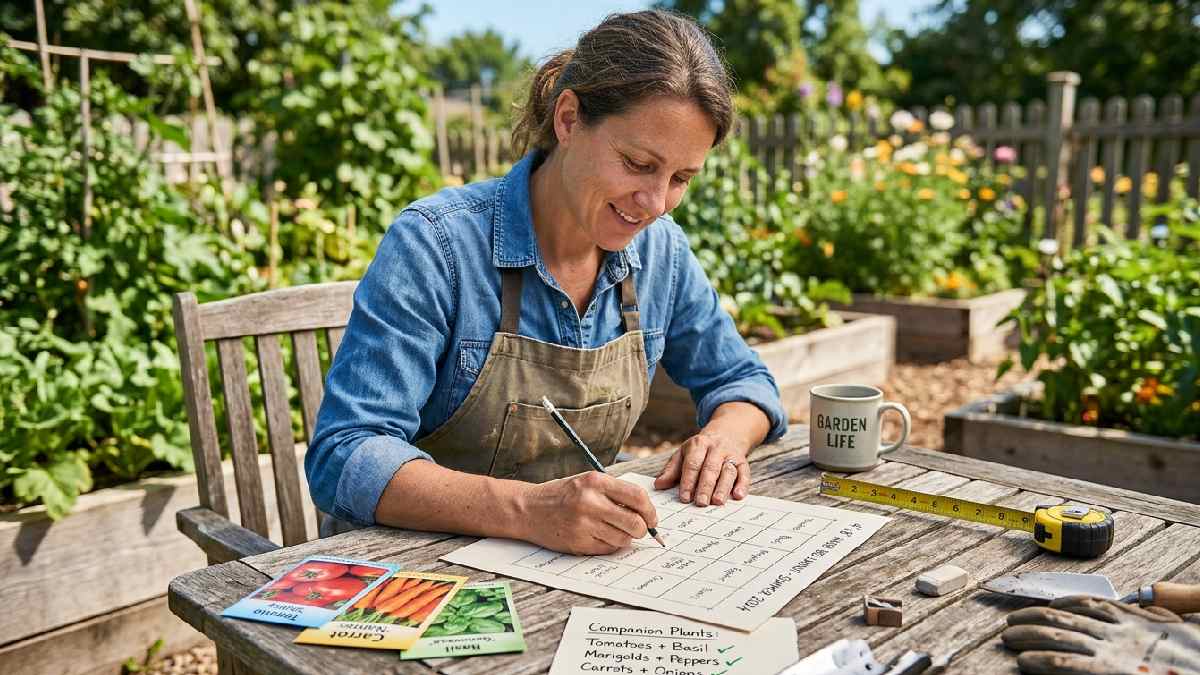
Smart layout planning is at the heart of small space vegetable gardening tips. Plan your space before planting anything. Draw a simple map of your area. Measure every corner and surface. Place tall plants where they will not shade smaller ones. Group plants with similar water needs together. Use square foot gardening methods. This system divides space into small productive squares.
Each square grows one type of vegetable. Square foot gardening maximizes every inch of space. Place frequently used herbs near the kitchen door. Put low-maintenance plants in harder-to-reach spots. Good planning prevents wasted space and effort. A clear layout makes your small garden more organized and productive throughout the season.
Raised Bed Gardening in Small Spaces
Raised beds are excellent for small space vegetable gardening tips. They fit in patios and small yards perfectly. You control the soil quality completely. Raised beds warm up faster in spring. This extends your growing season naturally. Build raised beds from wood, metal, or recycled materials. Standard size is four feet wide and eight feet long. This lets you reach the center easily.
Fill with quality soil and compost mix. Plant vegetables closer together in raised beds. Closer spacing reduces weeds and saves water. Raised beds also improve drainage significantly. They are easier on your back and knees, too. Raised beds are a top choice for productive small space gardening.
Companion Planting in Small Gardens
Companion planting is a powerful small space vegetable gardening tip. Some plants help each other grow better. Tomatoes grow well with basil nearby. Basil repels harmful insects naturally. Carrots and onions are great companions too. They protect each other from pests. Marigolds planted around vegetables deter bugs. Beans add nitrogen to the soil for neighboring plants.
Companion planting saves space and reduces chemicals. It creates a balanced mini ecosystem in your garden. Research good plant combinations before planting. Avoid plants that compete or harm each other. Companion planting makes your small garden healthier and more productive with less effort and fewer problems each season.
Watering Techniques for Small Space Gardens
Proper watering is vital in small space vegetable gardening tips. Container plants dry out faster than ground plants. Check soil moisture daily in hot weather. Water deeply but not too frequently. This encourages deep root growth. Drip irrigation systems save water and time. They deliver water directly to the roots. Self-watering containers are great for busy gardeners.
They hold a water reservoir at the bottom. Mulching the soil surface reduces water evaporation. Use straw or wood chips as mulch. Water in the morning to reduce disease risk. Avoid watering leaves directly. Good watering habits keep small space gardens healthy and thriving all season long without waste.
Fertilizing Small Space Vegetable Gardens
Fertilizing is an important small space vegetable gardening tip. Container plants need regular feeding. Nutrients wash out quickly with watering. Use a balanced liquid fertilizer every two weeks. Slow-release granular fertilizers also work well. Apply them to the soil at planting time. Organic fertilizers are safer for edible plants. Fish emulsion and seaweed extracts are great options.
Compost tea feeds plants gently and naturally. Watch for signs of nutrient deficiency. Yellow leaves often mean plants need feeding. Do not over-fertilize as this harms plants. Follow product instructions carefully every time. Regular feeding keeps your small space vegetable garden producing healthy crops all season.
Best Vegetables to Grow in Small Spaces
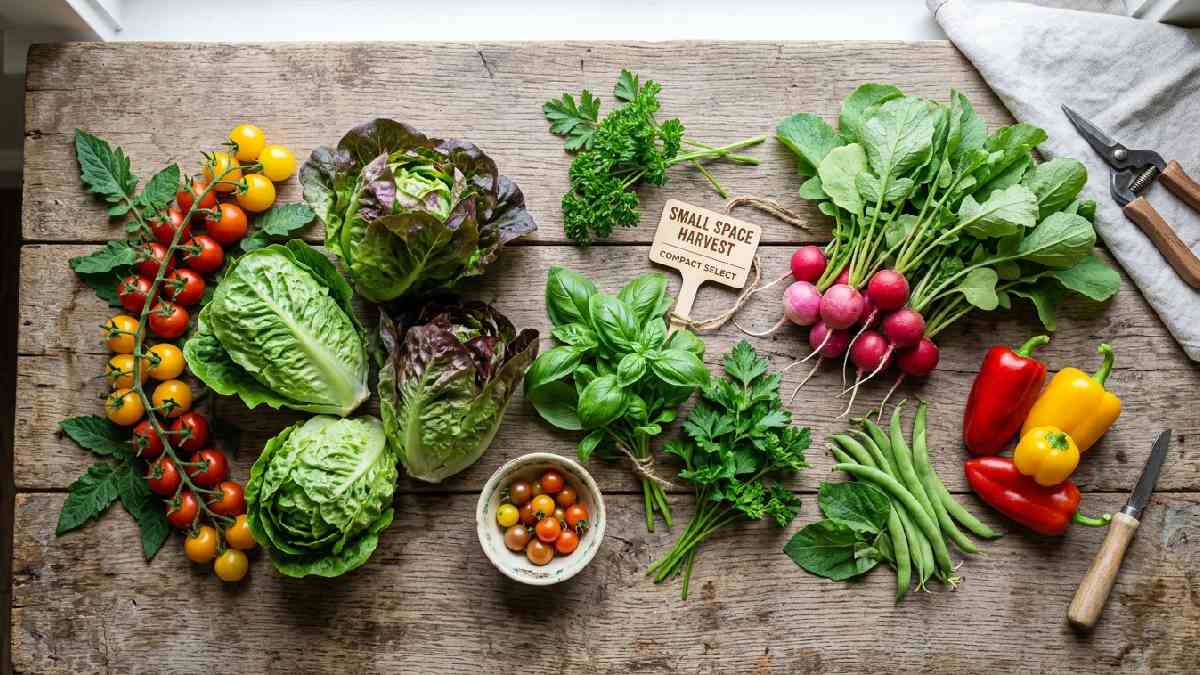
Choosing the best vegetables is a core small space vegetable gardening tip. Some plants are perfectly made for small spaces. Lettuce is one of the easiest crops to grow. It grows fast and needs little depth. Radishes are ready to harvest in just three weeks. Spinach and kale grow well in shallow containers. Cherry tomatoes produce heavily in large pots.
Herbs like basil, mint, and parsley are very space-efficient. Green onions grow in small bunches anywhere. Peas grow vertically and save ground space. Bush beans produce well in containers. Peppers love warm spots on sunny balconies. Growing these vegetables gives you a productive and varied harvest from even the smallest gardening space available.
Growing Tomatoes in Small Spaces
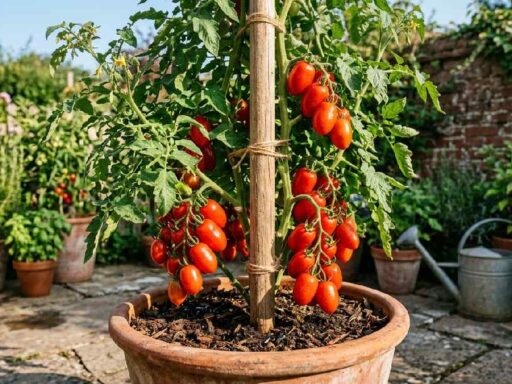
Tomatoes are a favorite in small space vegetable gardening tips. Choose compact or dwarf varieties. Cherry tomatoes are perfect for containers. They produce heavily all season long. Use a large pot of at least five gallons. Fill it with rich potting mix and compost. Place the pot in a sunny location. Tomatoes need at least six hours of sunlight daily.
Water regularly to prevent blossom-end rot. Feed with a tomato-specific fertilizer every two weeks. Use a small cage or stake for support. Prune suckers to keep the plant compact. Tomatoes reward small space gardeners with delicious fruit all summer. They are one of the most satisfying crops to grow at home.
Growing Herbs in Small Spaces
Herbs are among the easiest small space vegetable gardening tips to follow. They need very little room to grow. Basil, mint, rosemary, and thyme all grow in small pots. A sunny windowsill is enough for most herbs. Grow different herbs in the same container. This saves space and looks attractive. Mint spreads fast, so keep it in its own pot.
Harvest herbs regularly to encourage bushy growth. Fresh herbs improve every meal you cook. They are also much cheaper than store-bought herbs. Herbs attract beneficial insects to your garden too. Growing herbs is the simplest and most rewarding small space vegetable gardening tip for any beginner starting out.
Growing Salad Greens in Small Spaces
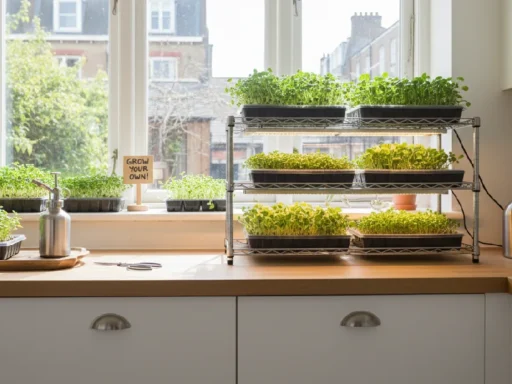
Salad greens are ideal for small space vegetable gardening tips. They grow fast and need little depth. Lettuce, arugula, and spinach are top choices. Grow them in window boxes or shallow trays. Use the cut-and-come-again method for more harvests. Cut the outer leaves, and the plant keeps growing. This gives you fresh salad for weeks.
Salad greens prefer cooler weather. Grow them in spring and autumn for best results. They also grow well indoors under grow lights. Sow new seeds every two weeks for continuous harvest. Salad greens are nutritious and delicious. They are one of the most productive crops for any small gardening space.
Growing Peppers in Small Spaces
Peppers are excellent for small space vegetable gardening tips. They grow well in containers on sunny balconies. Choose compact pepper varieties for best results. Both sweet and hot peppers work in pots. Use a pot at least twelve inches wide and deep. Fill with rich, well-draining potting mix. Peppers love heat and full sun exposure.
Water consistently, but avoid waterlogging the soil. Feed with a balanced fertilizer every two weeks. Peppers are slow to start but very productive. One plant can produce dozens of fruits. They also look beautiful with colorful fruits. Peppers are a great addition to any small space vegetable garden for both beauty and harvest.
Seasonal Tips for Small Space Vegetable Gardening
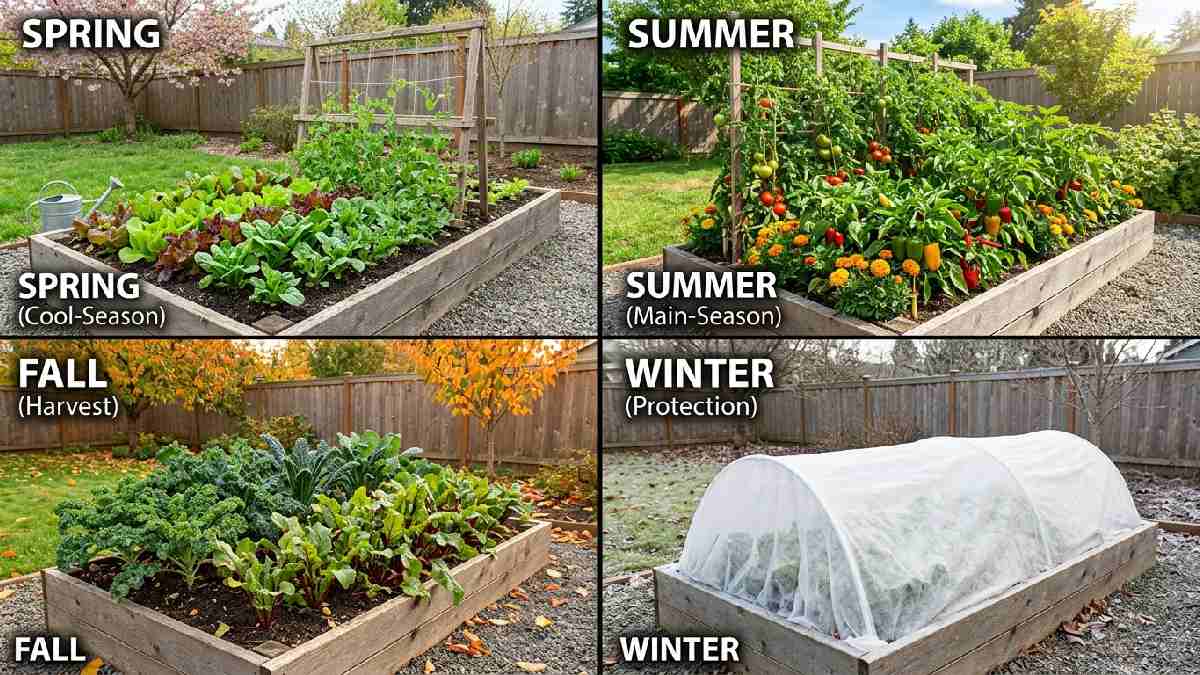
Seasonal planning is a key part of small space vegetable gardening tips. Different vegetables grow in different seasons. Spring is perfect for peas, lettuce, and spinach. Summer suits tomatoes, peppers, and cucumbers. Autumn is great for kale, carrots, and root vegetables. Winter gardening is possible with cold frames or indoor setups. Plan your crops around your local climate.
Use a gardening calendar to track planting dates. Succession planting keeps your garden productive all year. When one crop finishes, plant another immediately. This fills every space every season. Seasonal small space vegetable gardening tips help you get the most harvests from your limited growing area throughout the entire year.
Spring Gardening Tips for Small Spaces
Spring is an exciting time for small space vegetable gardening tips. Start seeds indoors six to eight weeks before the last frost. Transplant seedlings outside when the weather warms. Grow cold-tolerant crops like peas and lettuce first. Use row covers to protect plants from late frost. Add fresh compost to containers and raised beds.
Clean and repair pots and tools before the season. Spring soil warms slowly, so be patient. Start with easy, fast-growing crops for quick rewards. Radishes and spinach are ready in weeks. Spring is the best time to plan your full season garden layout carefully and get all preparations done.
Summer Gardening Tips for Small Spaces
Summer is the peak season for small space vegetable gardening tips. Warm weather grows tomatoes, peppers, and beans fast. Water more frequently as temperatures rise. Mulch containers to retain soil moisture. Feed plants regularly during heavy fruiting periods. Watch for pests in warm, humid conditions. Inspect plants daily for signs of trouble.
Harvest vegetables regularly to encourage more production. Do not let fruits overripe on the plant. Shade cloth can protect plants from extreme heat. Grow heat-loving crops like basil and cucumbers now. Summer gardening requires more attention and care. But the harvest rewards are the greatest of any season in your small garden space.
Autumn and Winter Gardening Tips
Autumn extends your small space vegetable gardening season further. Plant cold-hardy crops like kale, spinach, and carrots. Use cold frames to protect plants from frost. Row covers add warmth on cold nights. Harvest remaining summer crops before the first frost hits. Clean containers and store them properly for winter. Add compost to the soil to enrich it for next year.
Winter gardening is possible with indoor grow lights. Herbs and greens grow well on sunny windowsills. Microgreens are fast and easy to grow indoors. Planning autumn and winter crops keeps your small space productive year-round. Never let your small garden sit empty when crops can still grow beautifully.
Common Mistakes in Small Space Vegetable Gardening
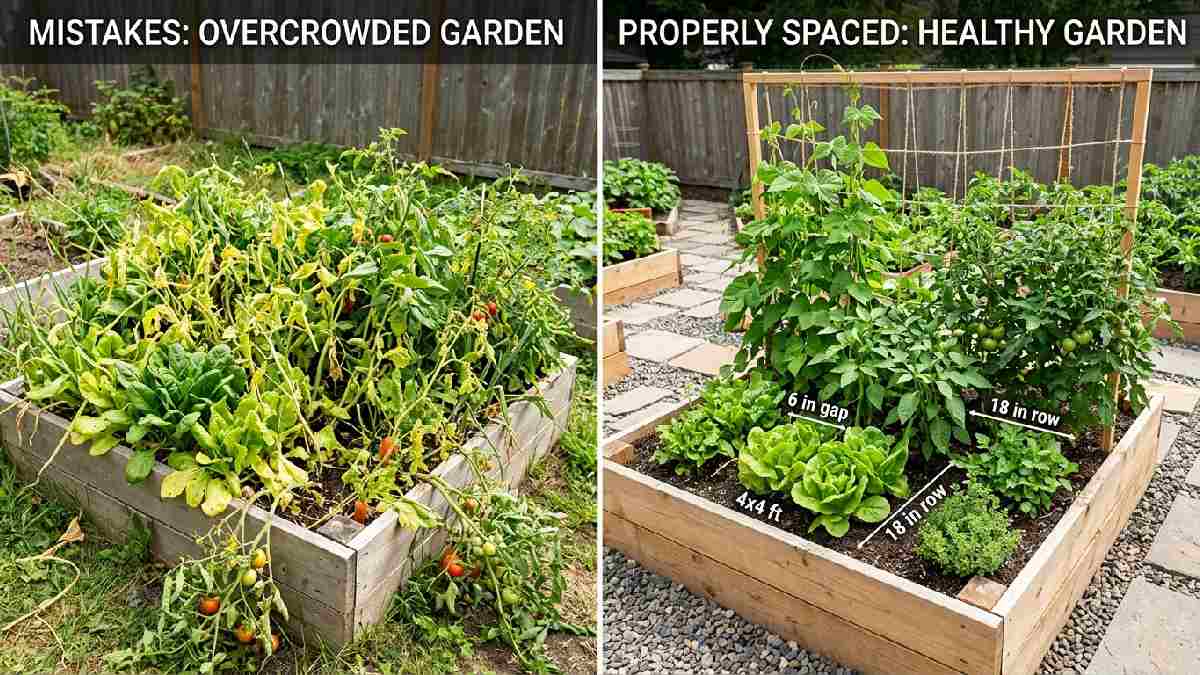
Avoiding mistakes is important in small space vegetable gardening tips. Many beginners make the same errors. Overwatering is the most common mistake. It causes root rot and plant death. Poor drainage is another big problem. Always use containers with drainage holes. Planting too many things in one space is also wrong. Overcrowding reduces air flow and invites disease.
Using poor-quality soil limits plant growth significantly. Not feeding plants enough causes weak harvests. Ignoring pests allows them to destroy crops quickly. Skipping seasonal planning leads to gaps in harvests. Learning from these mistakes improves your small space vegetable garden. Every season teaches you something new and valuable about growing food in small spaces.
FAQ
What are the best small space vegetable gardening tips for beginners?
Start with easy crops like lettuce, herbs, and radishes in containers with good quality potting mix.
How many vegetables can I grow in a small space?
With smart planning and vertical growing you can grow ten or more vegetable varieties in small spaces.
Do small space vegetable gardens need full sun?
Most vegetables need six hours of sunlight daily. Leafy greens can grow in partial shade too.
What containers work best for small space vegetable gardening tips?
Fabric grow bags, large pots, window boxes, and raised beds all work excellently for small spaces.
How often should I water my small space vegetable garden?
Check soil daily and water when the top inch feels dry. Containers dry faster than ground soil.
Can I grow vegetables indoors using small space vegetable gardening tips?
Yes, herbs, lettuce, and microgreens grow very well indoors with a sunny window or grow lights.
Conclusion
Small space vegetable gardening tips prove that anyone can grow fresh food anywhere. You do not need a large yard or farm. A balcony, patio, or windowsill is enough to start. Choosing the right vegetables and containers makes a big difference. Vertical growing and raised beds maximize every inch of space. Proper watering, feeding, and seasonal planning keep your garden productive. Avoiding common mistakes saves time and effort.
Small space vegetable gardening tips work for all skill levels. Start with easy crops and build your confidence slowly. Every season brings new learning and bigger harvests. Fresh homegrown food is healthier and more satisfying than store-bought. Use these small space vegetable gardening tips today and transform your small space into a thriving green garden.