

Window Box Vegetable Garden Ideas: Easy Small-Space Growing Guide for Fresh Food at Home
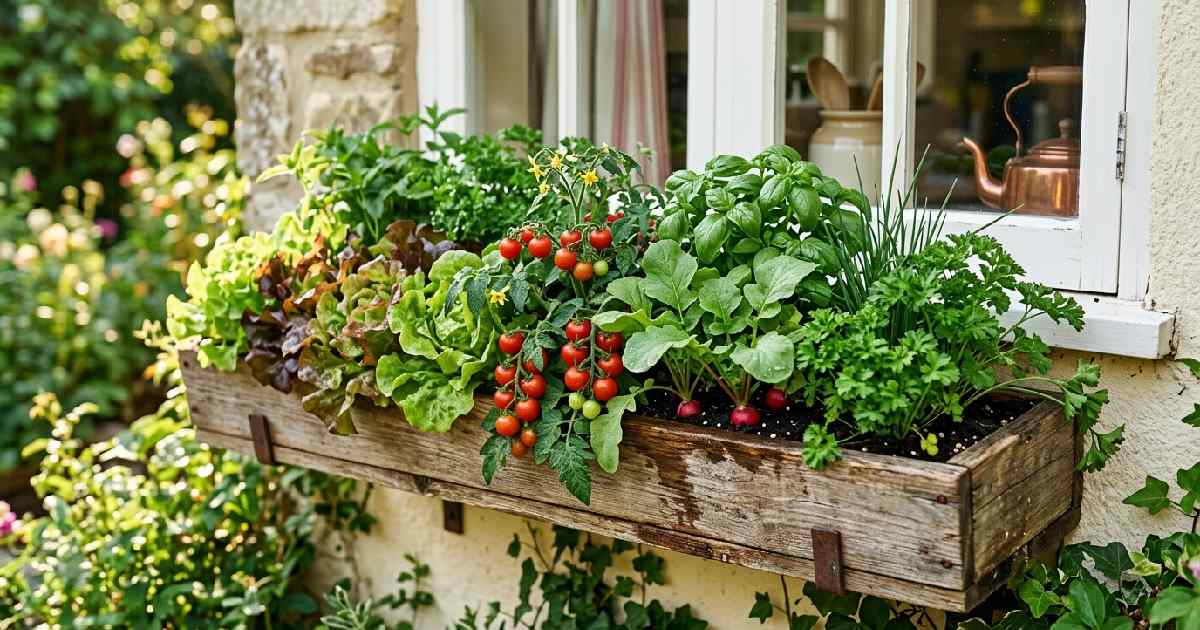
Window box vegetable garden ideas are the perfect solution for growing fresh food in small spaces. You do not need a large yard or garden to enjoy homegrown vegetables every day. A simple window box on a sill, balcony, or railing is enough to get started. Window box vegetable garden ideas are affordable, beginner-friendly, and incredibly rewarding for urban dwellers everywhere.
With the right vegetables, soil, and sunlight, your window box becomes a productive mini garden. This complete guide covers everything you need to know about window box vegetable garden ideas successfully.
Introduction: Why Window Box Vegetable Gardening Is Perfect for Small Spaces
Window box vegetable garden ideas are one of the smartest solutions for people with very limited space. Apartments, small homes, and urban dwellings often lack the outdoor ground space for traditional gardens. A window box placed on a sill or railing instantly creates a productive growing area anywhere. Window box vegetable garden ideas bring fresh herbs, vegetables, and greenery directly to your kitchen daily.
They are low-cost, easy to manage, and suitable for complete beginners everywhere around the world. Window box vegetable garden ideas make home food growing accessible to everyone, regardless of space or budget. They are the ideal first step toward a greener and more self-sufficient lifestyle starting today.
Choosing the Right Window Box for Vegetables
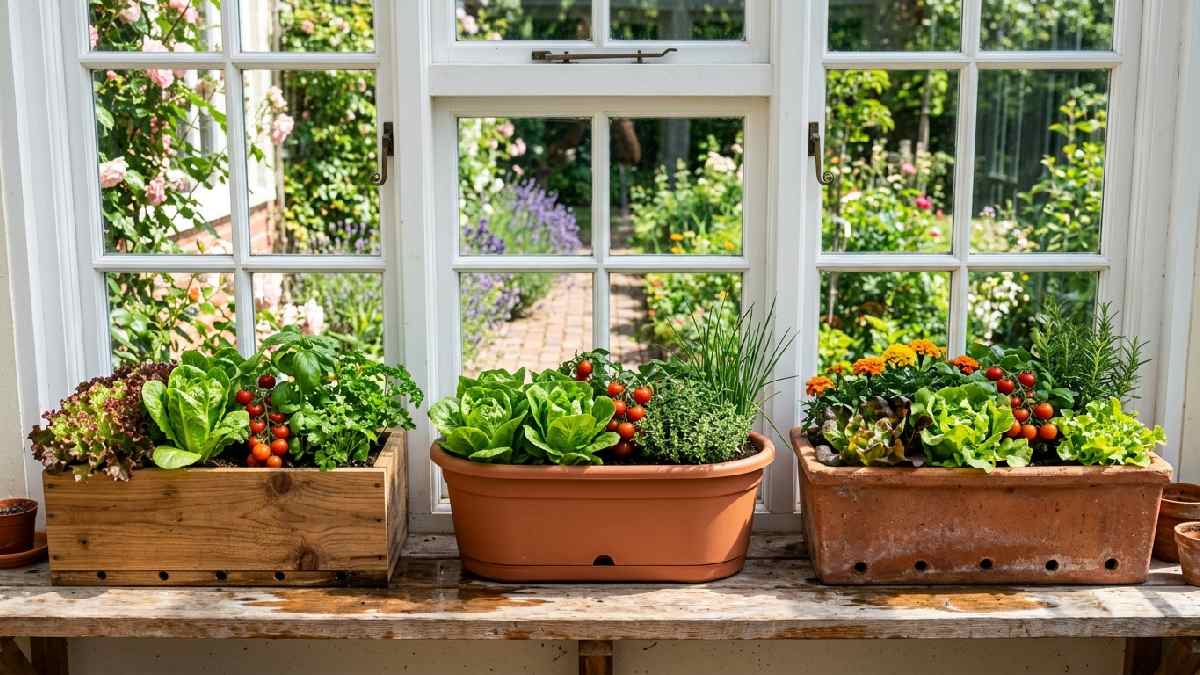
Choosing the right window box is the most important first step in window box vegetable garden ideas. The size, depth, and material of your window box directly affect plant health and productivity. Vegetables have deeper roots than flowers, so they need boxes with adequate soil depth always. Poor drainage causes root rot, which kills vegetables very quickly without any warning signs at all.
Sunlight placement is equally important, as most vegetables need at least six hours of sun daily. Investing time in choosing the right window box setup saves money and prevents plant failure completely. The right box gives your window box vegetable garden ideas the best possible foundation for success, always.
Best Size and Depth for Healthy Plant Growth
Window box size and depth directly determine which vegetables you can grow successfully. Most vegetables need a minimum depth of eight to twelve inches for healthy root growth. Leafy greens like lettuce and spinach grow well in boxes at least six inches deep. Tomatoes, peppers, and root vegetables need deeper boxes of twelve inches or more.
A longer box of at least twenty-four inches provides more growing space for multiple plants easily. Choosing the correct depth from the start prevents stunted growth and ensures productive and healthy harvests always.
Drainage and Soil Requirements Explained
Good drainage is essential for healthy window box vegetable garden ideas to succeed. Without proper drainage holes, excess water collects and causes deadly root rot very quickly indeed. Always choose window boxes with multiple drainage holes across the entire bottom surface carefully.
Place a layer of gravel or perlite at the base before adding potting mix for better flow. Use a high-quality lightweight potting mix specifically designed for container vegetable growing outdoors. Never use heavy garden soil as it compacts and prevents proper drainage in window boxes completely.
Best Window Placement for Sunlight Exposure
Sunlight placement is one of the most critical factors for successful window box vegetable garden ideas. Most vegetables require a minimum of six hours of direct sunlight each and every day. South-facing windows and balconies receive the most sunlight throughout the entire day, consistently.
East-facing windows get good morning sun, which suits leafy greens and herbs very well indeed. West-facing windows provide strong afternoon sun suitable for fruiting vegetables like tomatoes and peppers. North-facing locations receive the least light and are best suited only for shade-tolerant plants.
Best Vegetables for Window Box Gardening
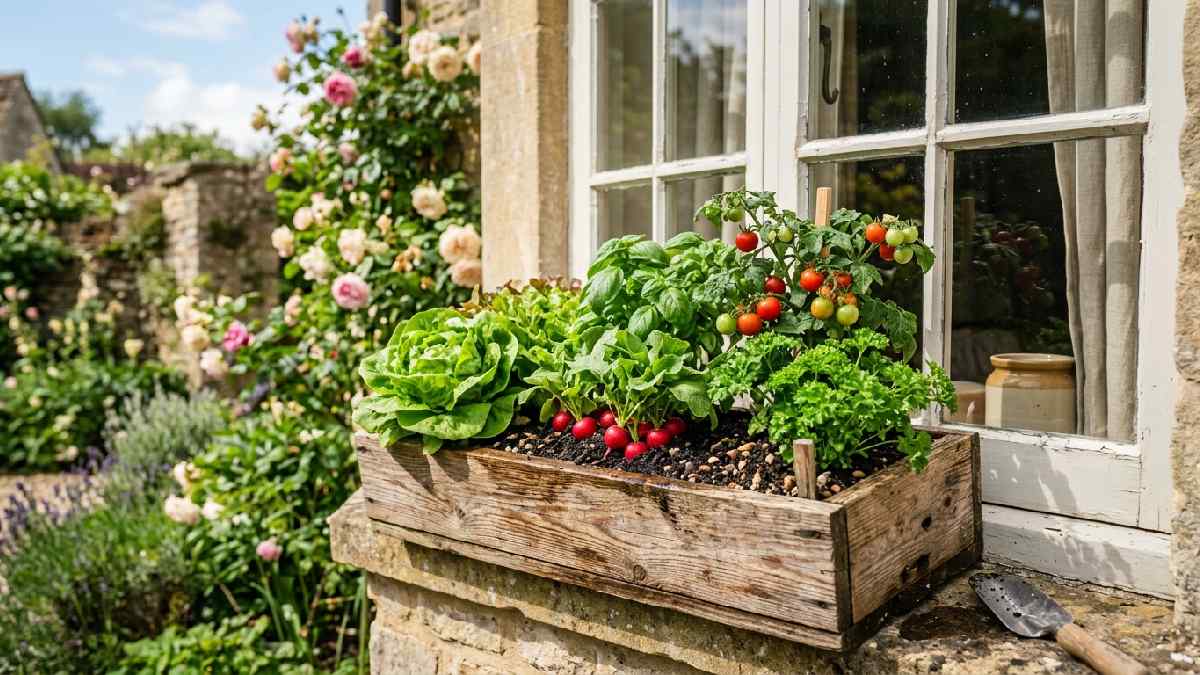
Choosing the right vegetables is essential for productive window box vegetable garden ideas. Not all vegetables are suitable for the limited space and soil depth of window boxes outdoors. Compact and fast-growing vegetables work best and give the most rewarding results very quickly. Leafy greens, herbs, and shallow-rooted vegetables are naturally perfect for window box vegetable garden ideas.
Some fruiting vegetables like cherry tomatoes and peppers also perform very well in boxes. Understanding which vegetables thrive in containers helps beginners avoid disappointment and wasted effort, always completely. Choosing suitable vegetables ensures a productive and truly rewarding window box vegetable garden all season long today.
Leafy Greens You Can Grow Easily
Leafy greens are the easiest and most productive choice for window box vegetable garden ideas. Lettuce, spinach, kale, and arugula grow very quickly and can be harvested repeatedly. They have shallow roots and thrive in window boxes that are six to eight inches deep.
Leafy greens prefer cooler temperatures, making them perfect for spring and autumn window boxes. Sow seeds directly into the box and thin seedlings as they emerge and grow naturally. Harvest outer leaves regularly to encourage continuous new growth throughout the entire growing season.
Best Herbs for Window Boxes
Herbs are among the most practical choices for window box vegetable garden ideas everywhere. Basil, parsley, chives, mint, thyme, and rosemary all grow very well in window boxes. They stay compact, grow quickly, and provide fresh flavors for everyday cooking.
Place herb window boxes near the kitchen window for the most convenient daily access. Most herbs prefer well-draining soil and at least five to six hours of sunlight each day. Fresh homegrown herbs save money and add wonderful fragrance and beauty to any window space.
Root Vegetables That Work in Small Containers
Some root vegetables can be grown successfully in deep window box vegetable garden ideas setups. Radishes are the easiest root vegetable for window boxes as they mature in just weeks. Carrots grow well in window boxes that are at least twelve inches deep, for roots always.
Short varieties of carrots like Thumbelina or Chantenay are especially suited to containers. Beets also grow in deeper window boxes and provide both edible roots and nutritious greens. Choose compact root vegetable varieties specifically bred for container growing to ensure the best results always.
Fruiting Vegetables for Advanced Growers
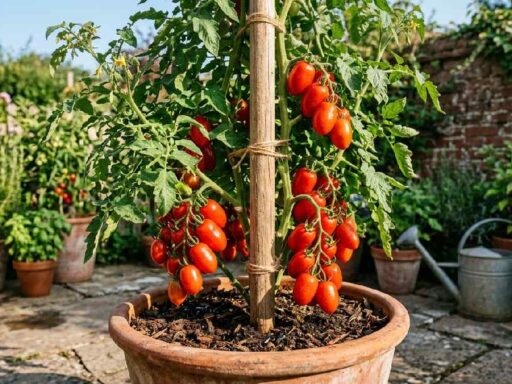
Fruiting vegetables add exciting variety to any window box vegetable garden ideas collection. Cherry tomatoes are the most popular fruiting vegetable for window boxes and small containers. Compact pepper varieties grow well in deep window boxes with plenty of direct sunlight daily.
Mini cucumbers and dwarf zucchini can also be grown in larger and deeper window boxes. These vegetables need regular feeding, watering, and support stakes for healthy and productive growth. Advanced growers who invest extra effort into fruiting window box vegetable garden ideas enjoy the most satisfying harvests.
Window Box Vegetable Garden Layout Ideas
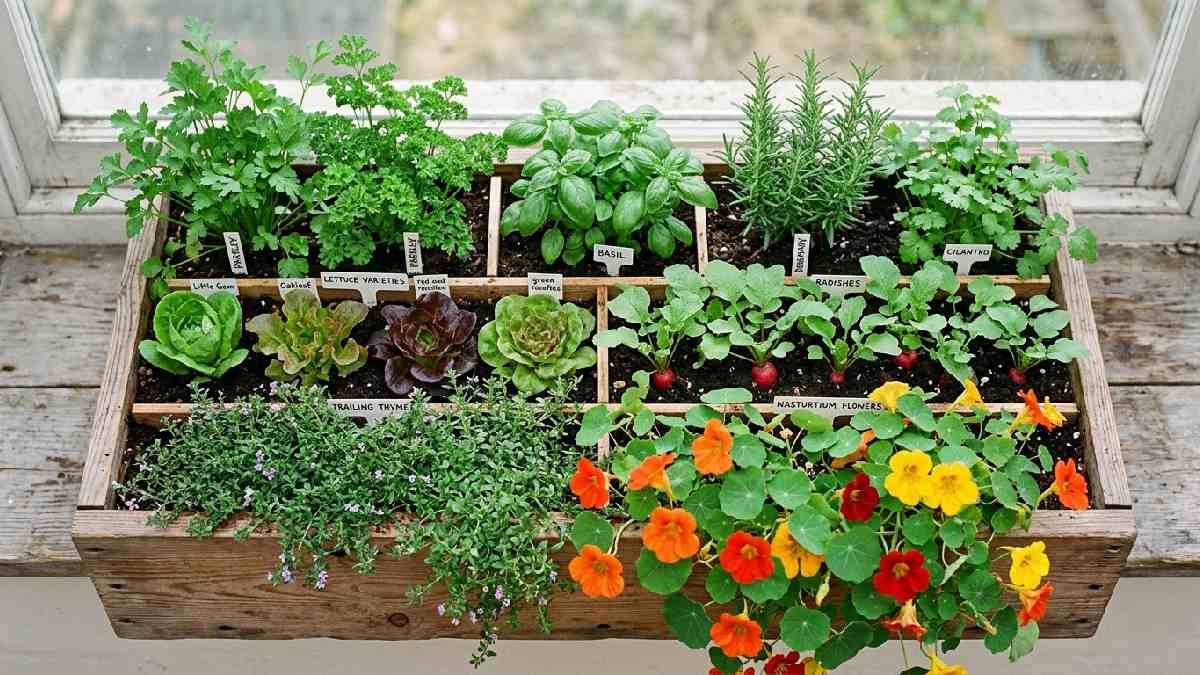
Planning a good layout makes your window box vegetable garden ideas more productive and appealing. A thoughtful arrangement ensures every plant receives adequate light, space, and airflow to thrive. Mixing different plant heights, textures, and growth habits creates a beautiful and diverse display. Good layout planning also prevents overcrowding, which is one of the most common window box mistakes. The thriller-
Filler-spiller method and companion planting are two proven layout strategies for beginners. Using these layout ideas maximizes both the productivity and visual beauty of your window box vegetable garden ideas. A well-planned layout makes your window box look stunning while producing generous amounts of fresh food daily.
Thriller: Filler: Spiller Planting Method
The thriller-filler-spiller method is a simple and effective window box vegetable garden ideas strategy. Thrillers are tall upright plants placed at the back of the box for visual height. Fillers are medium-bushy plants placed in the middle to fill the space beautifully.
Spillers are trailing plants placed at the front to cascade attractively over the box edge. For window box vegetable garden ideas, use tall tomatoes as thrillers and basil as fillers. This method creates a balanced, layered, and visually stunning window box vegetable garden display.
Companion Planting Combinations That Work Best
Companion planting is a smart strategy for maximizing window box vegetable garden ideas productivity. Basil and tomatoes are the most famous companion pair, as basil repels tomato pests naturally. Chives planted near carrots help repel carrot flies and improve overall plant health significantly.
Nasturtiums attract aphids away from vegetables, acting as a natural sacrificial trap plant. Marigolds planted alongside any vegetable help deter a wide range of common garden pests. Good companion planting improves plant health and reduces the need for chemical pest control in window box vegetable garden ideas.
How to Maintain a Window Box Vegetable Garden
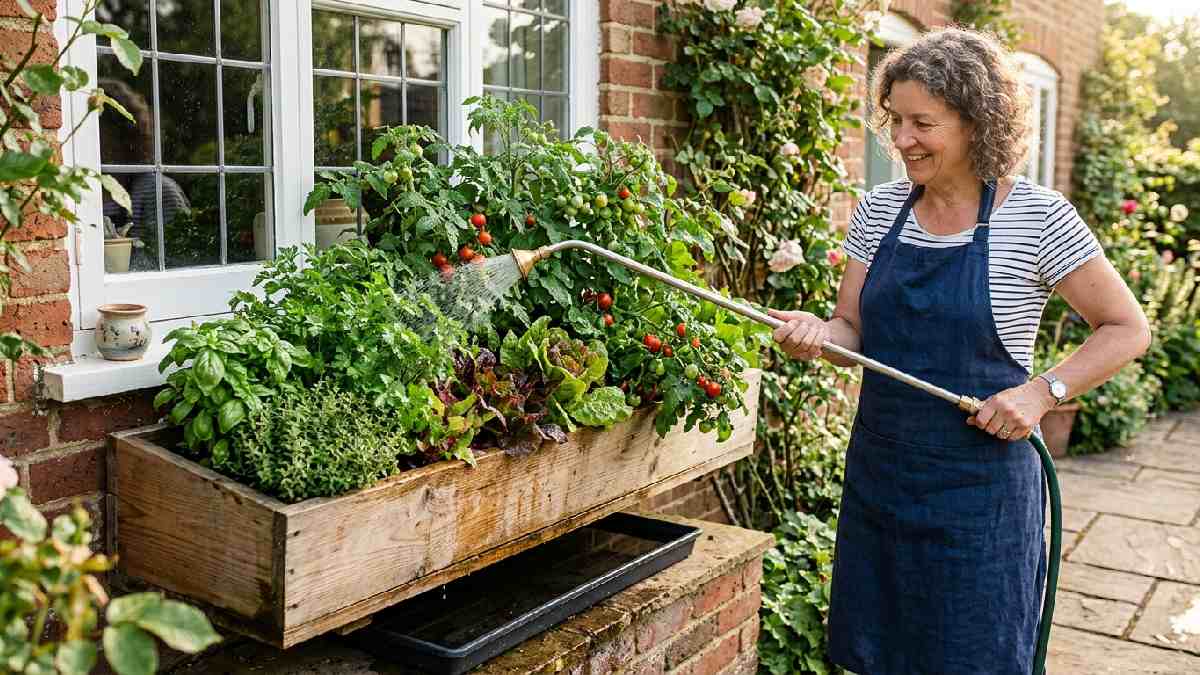
Proper maintenance keeps your window box vegetable garden ideas healthy, productive, and beautiful all season. Container vegetables dry out faster than ground plants, so regular watering is very important. Feeding plants with fertilizer every two weeks replaces nutrients washed out by frequent watering sessions.
Soil in window boxes breaks down over time and needs refreshing or replacing each growing season. Pest monitoring should be done regularly, as window box vegetable garden ideas can attract common insects. Removing dead leaves, spent plants, and debris keeps the box clean and disease-free at all times. A simple, consistent maintenance routine ensures your window box vegetable garden ideas stay thriving and productive daily.
Watering and Fertilizing Schedule
Window box vegetable garden ideas require more frequent watering than open-ground garden plants. Check soil moisture daily by pressing a finger one inch into the potting mix carefully. Water thoroughly until it drains freely from the drainage holes at the bottom of the box.
During hot summer months, water once or even twice daily to prevent drying out completely. Feed plants with a balanced liquid fertilizer every two weeks throughout the entire growing season. Slow-release fertilizer granules mixed into the soil provide continuous low-effort feeding for all container vegetables.
Soil Care and Replacement Tips
Window box soil loses nutrients and structure over time with regular watering and plant growth. Refresh the top layer of potting mix each growing season by always adding fresh compost generously. Replace the entire soil in your window box vegetable garden ideas completely at least once every year.
Used potting mix becomes compacted and nutrient-poor, making it unsuitable for productive vegetable growing outdoors. Mix in slow-release fertilizer granules when refilling the box with fresh potting mix for best results. Good soil care ensures your window box vegetable garden ideas always produce healthy and abundant harvests.
Common Pests and How to Control Them
Window box vegetable garden ideas can attract common pests like aphids, whiteflies, and fungus gnats. Inspect plants every few days for early signs of pest damage like curled or spotted leaves. Remove affected leaves immediately to stop pests from spreading to healthy neighboring plants quickly.
Spray plants with a diluted neem oil solution as a safe and effective natural pest deterrent. Introduce companion plants like marigolds and chives to naturally repel the most common vegetable pests. Healthy, well-fed plants with good airflow are naturally more resistant to serious pest infestations, always completely.
Common Mistakes to Avoid in Window Box Gardening
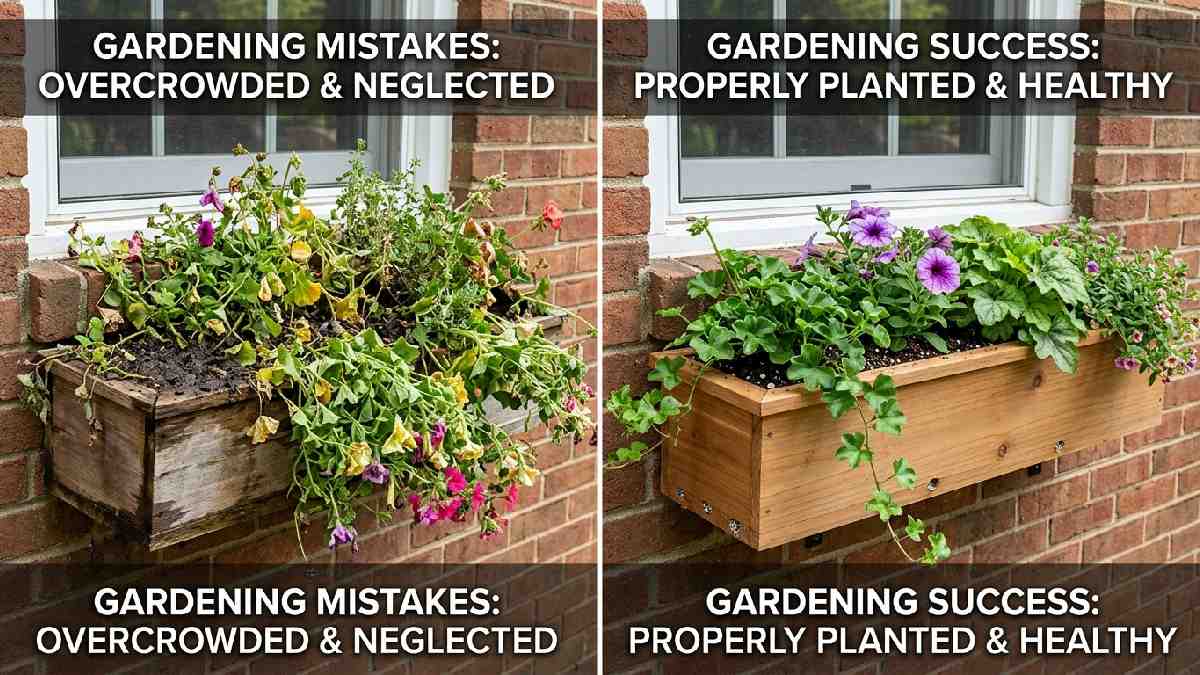
Avoiding common mistakes helps beginners enjoy much more successful window box vegetable garden ideas. Overcrowding plants is the most frequent error that leads to poor growth and disease problems. Using the wrong type of heavy soil prevents proper drainage and suffocates plant roots quickly. Ignoring sunlight requirements results in weak and unproductive plants that eventually fail completely.
Forgetting to water consistently causes window box vegetable garden ideas to dry out and fail fast. Not fertilizing regularly leads to nutrient-poor plants that produce very little food over time, indeed. Learning and avoiding these mistakes from the beginning saves money, time, and significant gardening frustration today.
Overcrowding Plants in a Small Space
Overcrowding is the most common and damaging mistake in window box vegetable garden ideas. Too many plants compete for limited nutrients, water, and sunlight in a small box daily. Poor airflow between overcrowded plants encourages mold, fungal disease, and pest infestations very quickly.
Always follow recommended spacing guidelines for each vegetable variety you choose to plant carefully. Start with fewer plants and observe how they grow before adding more to the box, always. A less crowded window box vegetable garden always produces healthier plants and better harvests than an overcrowded one.
Using the Wrong Type of Soil
Using the wrong soil type is a very common and costly mistake in a window box vegetable garden. Heavy garden soil compacts inside window boxes and prevents water from draining properly. Waterlogged compacted soil suffocates roots and causes plants to struggle and eventually die slowly indeed.
Always use a lightweight, high-quality potting mix designed specifically for container vegetable growing outdoors. Never fill window boxes with soil taken directly from your garden or outdoor ground beds. The right potting mix is the single most important investment for healthy window box vegetable garden ideas.
Ignoring Sunlight Requirements
Ignoring sunlight is one of the most damaging mistakes a window box vegetable garden ideas grower can make. Placing sun-loving vegetables in shaded windows causes weak, leggy, and completely unproductive plants. Most vegetables need at least six hours of direct sunlight each day to produce food reliably.
Observe your window or balcony throughout the day to understand its exact light pattern fully. Move window boxes to sunnier locations if plants show signs of insufficient light exposure quickly. Matching vegetables to your window’s sunlight conditions is essential for productive window box vegetable garden ideas.
Creative Window Box Vegetable Garden Ideas for Inspiration
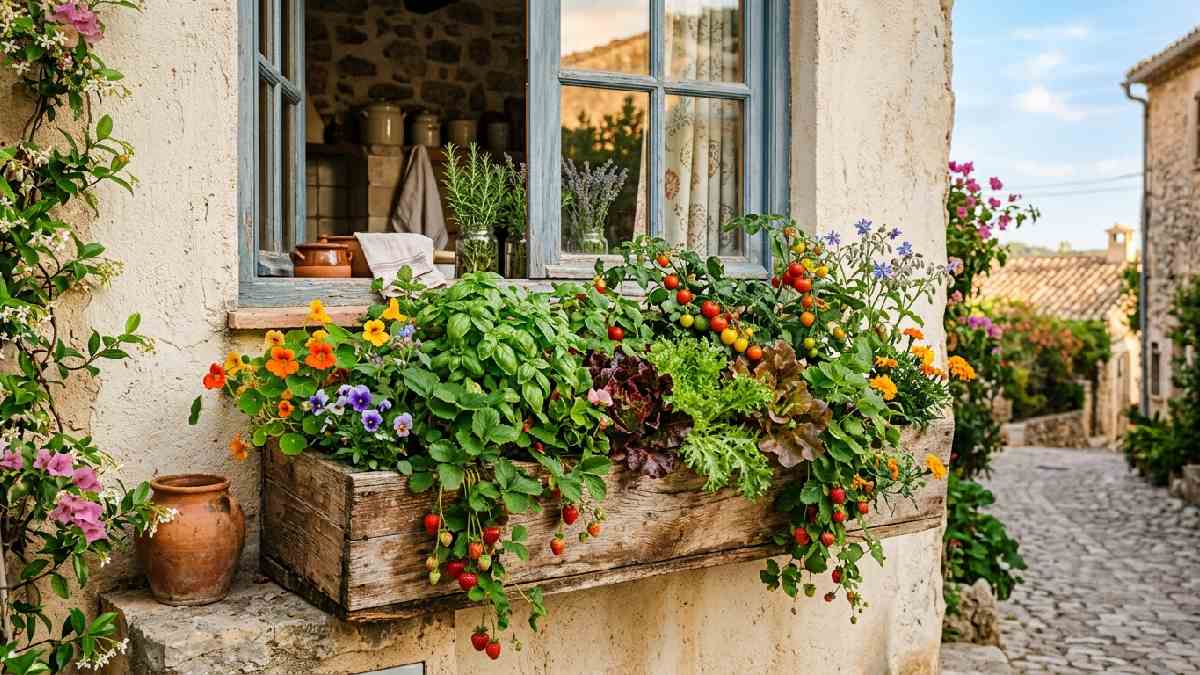
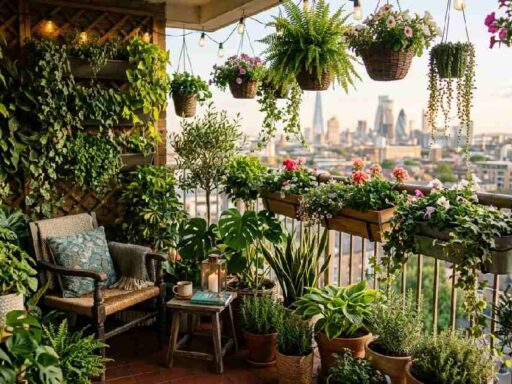
Creative window box vegetable garden ideas transform ordinary spaces into beautiful and productive growing areas. A kitchen window herb garden brings fresh flavors within arm’s reach for everyday cooking. Balcony railing, window box, and vegetable garden ideas maximize outdoor space and create stunning green borders. Vertical and layered window box designs add depth and drama to any small outdoor space beautifully.
Mixing edible plants with colorful flowers creates window box vegetable garden ideas that are both beautiful and productive. Creative arrangements inspire you to experiment and develop your own unique personal gardening style. These inspiring window box vegetable garden ideas prove that growing fresh food is possible absolutely anywhere today.
Kitchen Window Herb Garden Setup
A kitchen window herb garden is one of the most practical window box vegetable garden ideas available. Place a long window box directly on your kitchen windowsill for maximum convenience every day. Plant a mix of basil, parsley, chives, mint, and thyme for a complete culinary herb collection.
Ensure the kitchen window receives at least five to six hours of sunlight every single day. Use a lightweight potting mix and a box with good drainage to keep herbs healthy always. Fresh herbs right at your kitchen window make cooking more flavorful and incredibly satisfying every day.
Balcony Railing Window Box Ideas
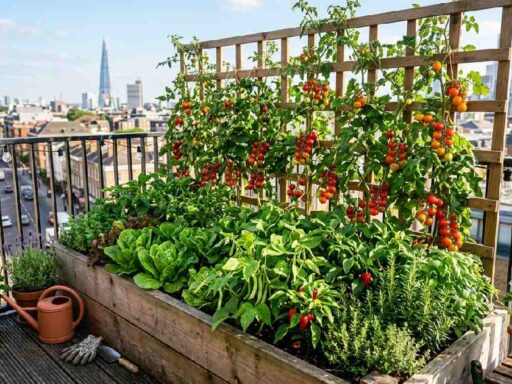
Balcony railing, window box, and vegetable garden ideas are brilliant for apartment dwellers with limited space. They attach directly to balcony railings using secure brackets on the inner or outer side. Plant them with a mix of vegetables, herbs, and trailing flowers for stunning visual displays outdoors.
Cherry tomatoes, lettuce, herbs, and nasturtiums all grow beautifully in railing window boxes outdoors. Railing boxes add greenery and color at eye level without using any precious balcony floor space. They transform plain metal or wooden railings into living and productive garden borders beautifully, always completely.
Vertical and Layered Window Box Designs
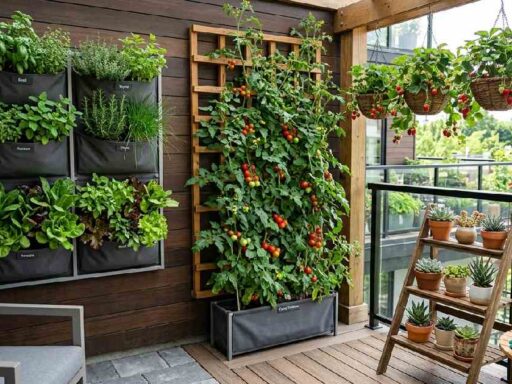
Vertical and layered window box vegetable garden ideas maximize growing space by using height cleverly. Stack multiple window boxes at different heights on a wall-mounted frame or tiered shelf system. Place taller plants in upper boxes and shorter trailing plants in lower boxes for balance always.
This layered approach creates a lush cascading green effect that looks stunning from any angle. Use the vertical space above and beside windows to dramatically increase your total growing area easily. Vertical and layered window box vegetable garden ideas turn any blank wall into a beautiful, productive garden.
FAQs: Window Box Vegetable Garden Ideas
Can Vegetables Really Grow in Window Boxes?
Yes, window box vegetable garden ideas work very well with the right soil, depth, sunlight, and a consistent watering routine maintained every single day.
What Vegetables Grow Best in Window Boxes?
Lettuce, spinach, herbs, radishes, cherry tomatoes, and peppers are the best choices for window box vegetable garden ideas with good sunlight daily.
How Deep Should a Window Box Be for Vegetables?
Most window box vegetable garden ideas need eight to twelve inches of depth. Leafy greens need six inches, while tomatoes need twelve inches or more always.
How Often Should I Water a Window Box Garden?
Check soil moisture daily for your window box vegetable garden ideas and water when the top inch feels dry. Water once or twice daily in hot summer weather.
Can Tomatoes Grow in Window Boxes?
Yes, compact cherry tomato varieties are perfect window box vegetable garden ideas, needing at least twelve inches of soil depth and full daily sunlight always.
Conclusion
Window box vegetable garden ideas prove that fresh homegrown food is possible in even the smallest spaces. With the right window box, soil, vegetables, and sunlight, you can grow a productive mini garden anywhere. Avoid common mistakes like overcrowding, wrong soil, and poor drainage for the best possible results.
Use creative window box vegetable garden ideas like the thriller-filler-spiller method for maximum productivity and beauty. Maintain a consistent watering and fertilizing schedule to keep your vegetables healthy all season long. Start your window box vegetable garden ideas today and enjoy the simple joy of growing your own fresh food every single day at home beautifully.