

Indoor Vegetable Gardening: Complete Guide to Growing Fresh Vegetables at Home
Indoor vegetable gardening feels like growing a small food source right inside your home. You don’t need a big piece of land or outdoor space. Just a corner, some light, a few containers, and basic care. At first, it looks too simple, almost doubtful. Then the seeds start changing quietly. You set up a soil or water system, add seeds, adjust the light, and wait. Vegetables don’t rush; they respond slowly but steadily.
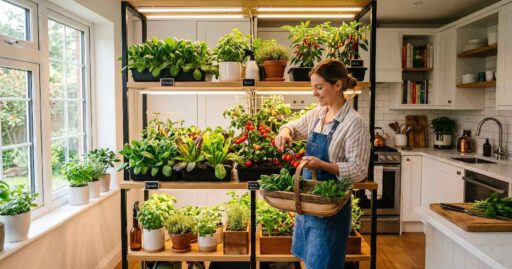
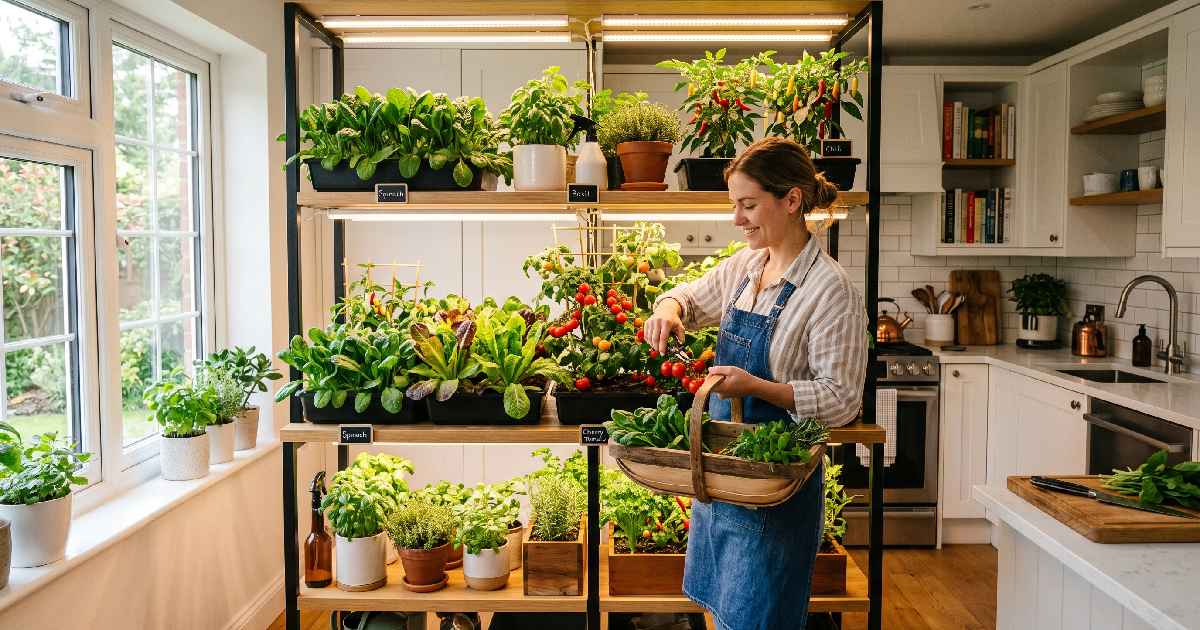
Sometimes you forget to water, sometimes the light feels off, but still, plants try to grow. That part feels real, a bit imperfect. Tomatoes in small pots, chilies near the window, leafy greens in trays. The kitchen slowly turns into a growing space. Not a perfect garden, but an active one. Indoor vegetable gardening brings food closer, simpler, and a bit surprising every time.
What is Indoor Vegetable Gardening?
Indoor vegetable gardening is growing vegetables inside your home instead of an open outdoor space. You use containers, trays, soil or water systems, and controlled light to support plant growth. It can be a small kitchen setup or a more organized indoor rack system. I first saw it as just decorative plants, later it felt more like food growing quietly at home.
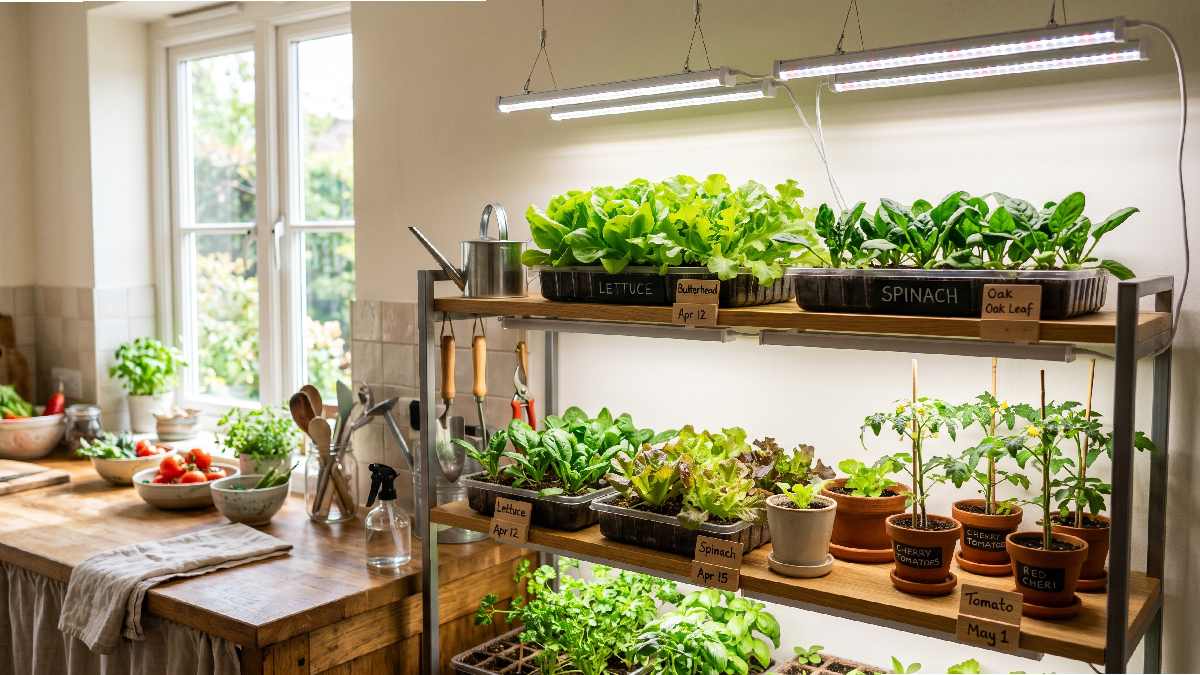
Vegetables grow step by step in a stable indoor environment, not dependent on weather or seasons. You manage water, light, and nutrients yourself or with simple systems. Growth feels slow sometimes, but consistent and very real inside the home space.
Simple Meaning of Indoor Gardening
Indoor gardening simply means growing plants inside a house or building instead of outside soil fields. You use pots, trays, shelves, or hydroponic setups, depending on space. Light comes from windows or artificial LEDs. Watering is controlled by hand or small systems. Plants still grow naturally,y but in a managed environment.
It feels like gardening, just closer and more controlled. Even small rooms can become green spaces with this method. You don’t wait for seasons or weather changes. Everything happens indoors, steady and personal, almost like a daily care routine that slowly turns into a habit.
How Indoor Vegetable Gardening Works
Indoor vegetable gardening works by controlling basic plant needs inside a closed space. You provide light, water, nutrients, and suitable containers for roots. Seeds are placed in soil or water, based systems, and then slowly they start germinating. Light helps leaves develop, water keeps roots active, and nutrients support overall growth.
I noticed small changes daily, sometimes barely visible, sometimes suddenly obvious. Fans or airflow may be added to keep plants healthy. Everything depends on balance, not too much water, not too little light. Plants respond to these conditions gradually and continue growing in the home environment.
Difference Between Indoor and Outdoor Gardening
Indoor and outdoor gardening differ mainly in control and environment. Outdoor gardening depends on weather, soil conditions, and natural sunlight. Rain, heat, and seasons directly affect plant growth. Indoor gardening removes most of these uncertainties. You control light, water, and nutrients inside a fixed space.
Outdoor plants usually have more space and natural growth freedom. Indoor plants grow in limited containers but in more stable conditions. I felt outdoor gardening was more unpredictable, indoor gardening was more consistent, but hands-on. Both work, just the style is different; one depends on nature,the other depends on your setup and daily care.
Benefits of Indoor Vegetable Gardening
Indoor vegetable gardening brings fresh food right inside your home. It feels simple but powerful; you control everything from water to light. No need for big land or perfect weather. Plants grow in corners, on shelves, and even in small pots. You pick fresh vegetables when needed, straight from your space.
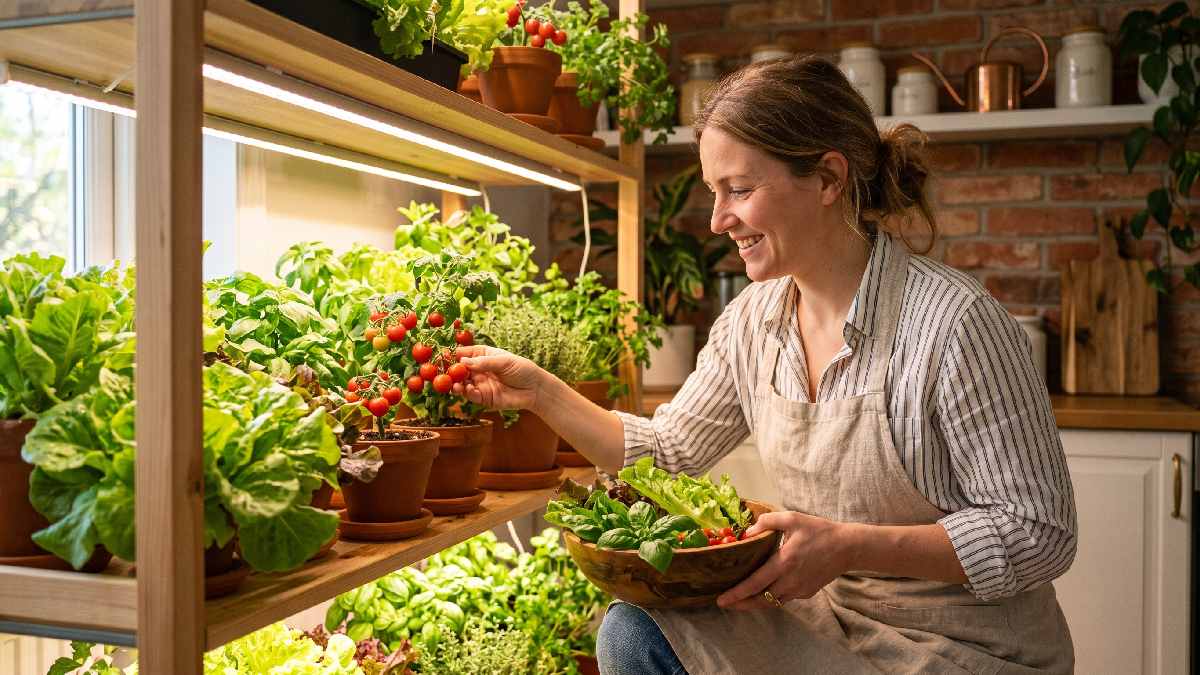
It gives comfort, better food quality, and a small connection with nature. Daily care feels calming, not stressful. Over time, it becomes part of routine life. Small effort, steady reward, and a greener home environment that feels alive every day.
Fresh and Organic Vegetables at Home
Growing vegetables indoors means you eat fresh, free food. You know exactly what goes into your plants, no unknown sprays or additives. Vegetables stay crisp, full of natural taste, and richer in nutrients. Picking them right before cooking makes meals more flavorful.
Even a small pot of herbs or leafy greens adds freshness to your kitchen. It feels satisfying to grow your own food and eat it immediately. Homegrown vegetables often taste better because they are harvested at the right time.
Saves Money on Grocery Bills
Indoor gardening helps reduce grocery expenses over time. Instead of buying herbs, greens, or small vegetables repeatedly, you grow them at home. A few seeds can produce multiple harvests. Initial setup may cost a little, but long-term savings are noticeable.
Even basic items like coriander, mint, or lettuce can be grown easily. Less dependenthe storee tore, buying vegetables means fewer trips to the market. Slowly, your kitchen becomes partly self-sufficient. It feels practical and budget-friendly, especially for daily use of greens.
Grow Food All Year Round
Indoor gardening is not affected by seasons or weather changes. Rain, heat, or winter outside does not stop your plants. With proper light and care, vegetables grow all year round. You can enjoy fresh greens even when outdoor farming is not possible.
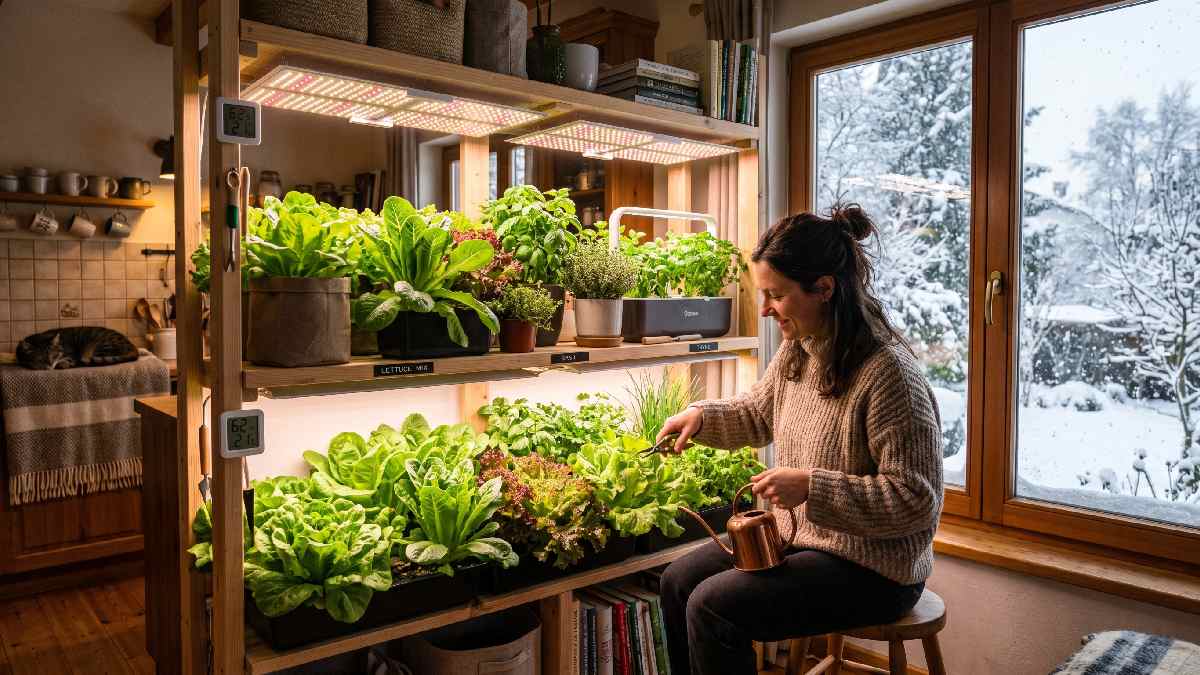
LED lights or sunlight from windows help maintain steady growth. This makes food supply more consistent and reliable. Your kitchen stays stocked with fresh produce in every season, giving a sense of stability and control.
Perfect for Small Spaces and Apartments
You don’t need a big garden to grow vegetables indoors. Even small apartments can support plant growth. Shelves, windowsills, and balcony corners work well. Vertical setups help save space while growing more plants. Compact pots and trays make it easy to manage everything. This makes indoor gardening ideal for city living.
You can turn unused corners into green spaces. It brings nature into tight spaces without needing extra land, making your home feel fresher and more alive.
Protection from Pests and Diseases
Indoor gardening reduces exposure to pests and plant diseases. Controlled environments keep plants safer compared to outdoor gardens. You can manage water, soil, and cleanliness more easily. Fewer insects mean healthier plants and less damage.
It also reduces the need for chemical pesticides. Plants grow in a more stable condition, which improves quality. This makes gardening simpler and less stressful. You get cleaner, healthier vegetables with fewer risks and more consistent growth results.
Best Vegetables for Indoor Gardening
Indoor gardening works best when you choose vegetables that adjust easily to limited space and controlled light. Some plants grow fast, some give steady harvests, and some need a bit more care but reward you well. The key is matching the plant with your indoor environment, like windowsills, balconies, or grow lights.
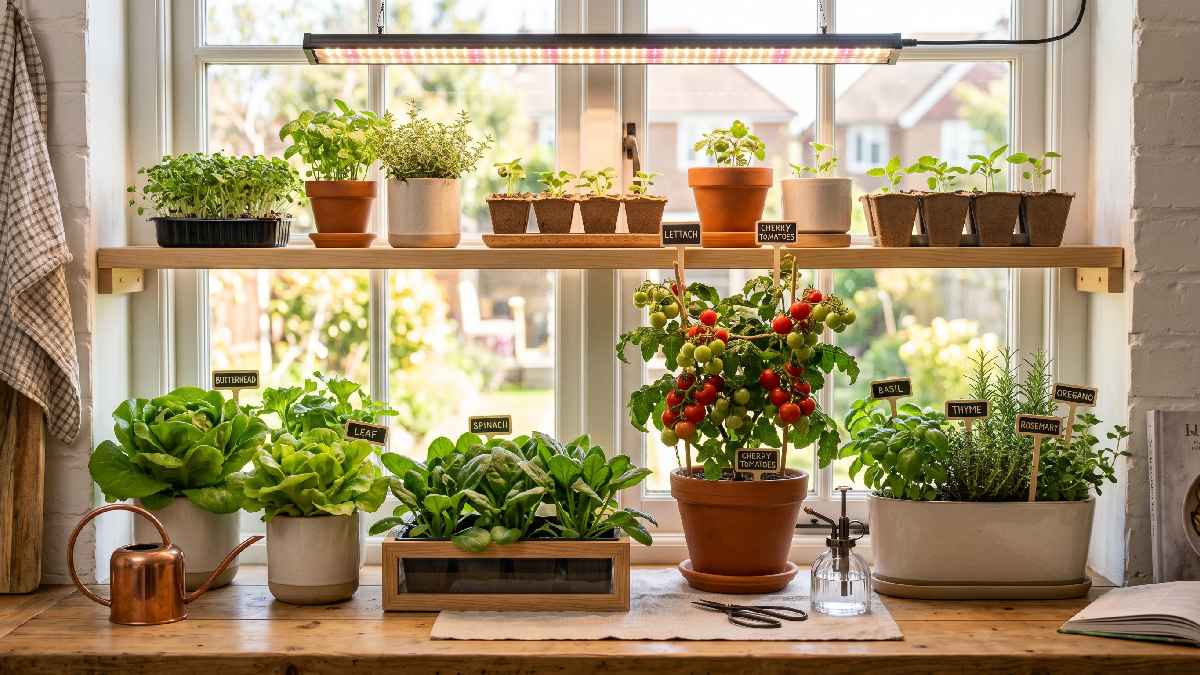
With simple watering and consistent light, even small spaces can produce fresh homegrown food. Indoor vegetables not only save money but also give you fresh, chemical-free ingredients right at home, making everyday cooking healthier and more satisfying.
Leafy Greens (Spinach, Lettuce)
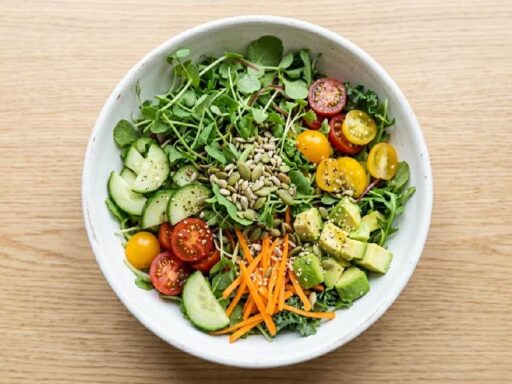
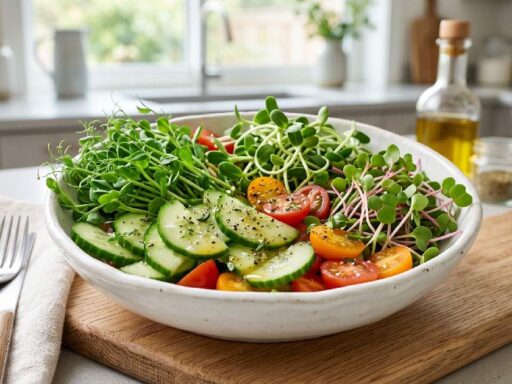
Leafy greens are the easiest choice for indoor gardening. Spinach and lettuce grow quickly and don’t need deep soil. They adjust well to containers and small pots. You can harvest them multiple times by cutting the outer leaves. They prefer cool conditions and steady light.
Even a small windowsill can support good growth. Regular watering keeps leaves fresh and tender. These greens are perfect for beginners because they forgive small mistakes. Fresh salads become easy when you have them growing right inside your home.
Herbs (Mint, Basil, Coriander)
Herbs are perfect for indoor kitchens because they grow fast and smell fresh. Mint spreads easily, basil grows bushy, and coriander gives quick harvests. They don’t need much space, just a small pot and sunlight. You can place them near a window for the best results.
Regular trimming helps them grow fuller. Fresh herbs instantly improve the taste of food. Having them at home saves frequent trips to the market. They also add a natural fragrance to your indoor space, making it feel more alive and fresh.
Fruiting Plants (Tomatoes, Chilies)
Fruiting plants like tomatoes and chilies take more care but give rewarding results. They need strong light, preferably sunlight or grow lights. Pots should be deep enough for root growth. Regular watering and occasional support, like sticks, help them grow upright.
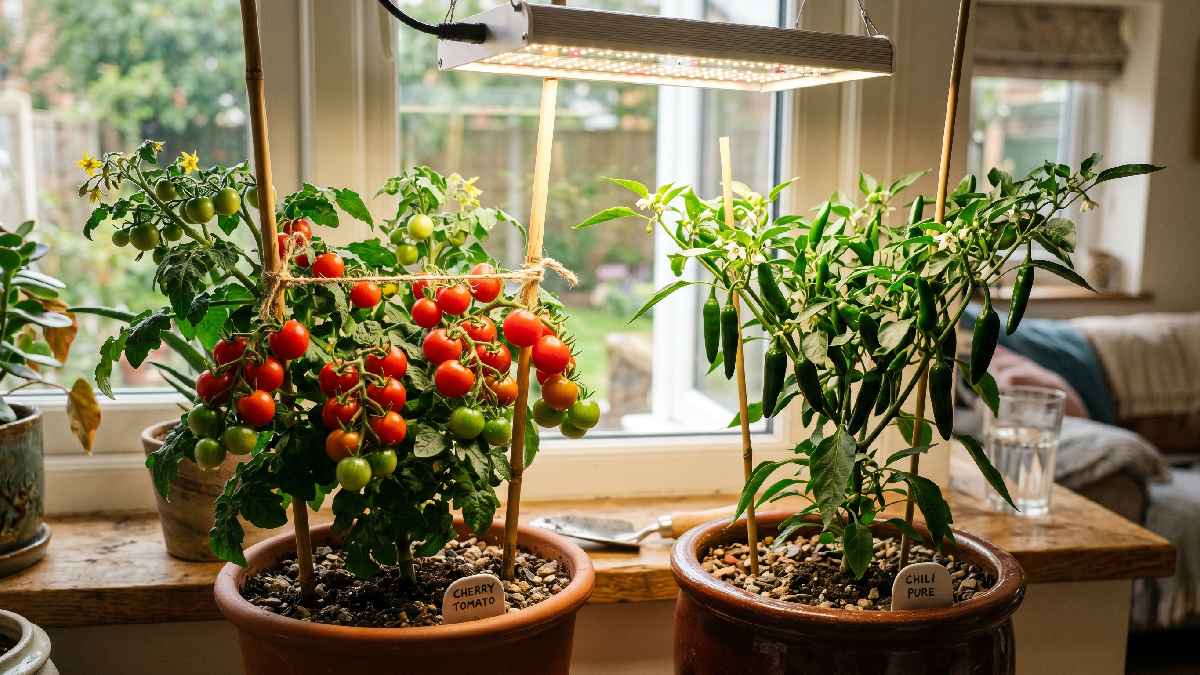
Tomatoes take time but produce fresh, juicy fruits. Chilies grow faster and add spice to meals. These plants are perfect if you want a small indoor vegetable garden with real harvests. Watching flowers turn into fruits feels satisfying and motivating.
Fast-growing vegetables (Green Onions, R Fast-growingowingg vegetables are great for quick results. Green onions regrow easily from leftover roots and need very little care. Radish grows fast and can be harvested in a few weeks. These plants are ideal for beginners who want quick success.
They don’t require a large space or complex setups. Regular watering and light are enough for healthy growth. You can grow them in small containers or even recycled jars. They give quick satisfaction and encourage you to try more indoor gardening experiments.
Requirements for Indoor Vegetable Gardening
Indoor vegetable gardening needs a few basic things, nothing too complicated. You start with simple containers, then good soil, then light and water balance. Plants don’t ask for much, but they do need consistency. If you give them stable conditions, they grow healthy and steady.
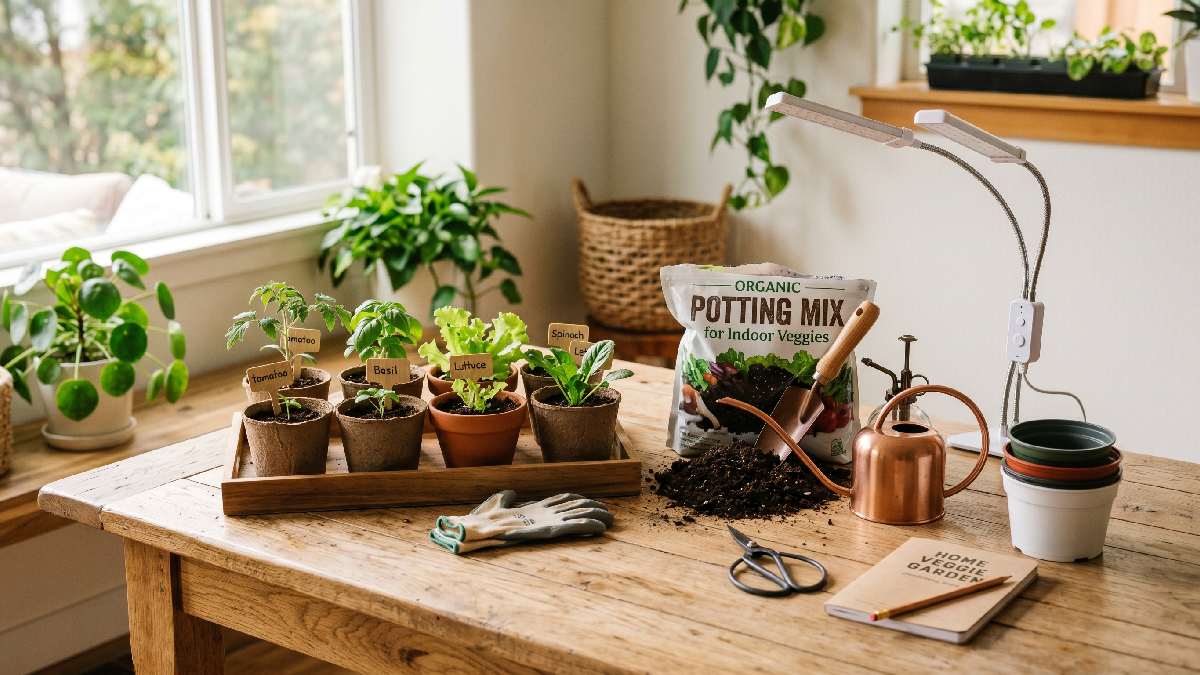
Even a small corner of your kitchen or balcony can work. The setup matters more than size. Once the basics are right, vegetables grow faster than expected, and the whole space starts feeling fresh and green.
Suitable Pots and Containers
Choosing the right pots makes a big difference. Containers should have drainage holes so extra water can escape. Without that, roots may rot slowly. Plastic, clay, or ceramic pots all work, but the size should match the plant. Deep containers suit root vegetables, shallow ones work for leafy greens.
Even recycled bottles or boxes can be used if prepared properly. What matters most is airflow and drainage. Once containers are right, plants settle easily, and growth becomes more stable and predictable. Nutrient-Rich Soil Mix.
Good soil is like food for plants. Indoor vegetables need a light, airy mix that holds moisture but doesn’t stay soggy. A blend of garden soil, compost, and cocopeat works well. Compost adds nutrients, and cocopeat keeps the texture soft.
Soil should not feel too heavy or compact. Roots need space to move and breathe. Poor soil slows everything down, even if light and water are perfect. When soil is balanced, plants grow stronger, leaves look greener, and overall health improves naturally.
Natural Sunlight or Grow Lights
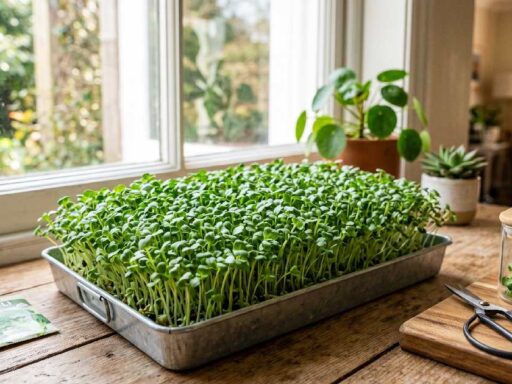
Light is one of the most important factors. Most vegetables need at least a few hours of bright light daily. A sunny window often works well. If sunlight is not enough, grow lights become useful. LED grow lights give steady brightness and support growth indoors.
Plants bend toward light, so rotation helps them grow evenly. Without proper light, plants become weak and stretched. With the right setup, leaves stay firm and green, and growth becomes faster and more consistent.
Proper Watering System
Watering needs balance, not too much and not too little. Overwatering can damage roots, while underwatering slows growth. Soil should stay slightly moist, not soaked. Checking with fingers to understand the dthe moisture level. Small pots dry faster, so they may need more frequent watering.
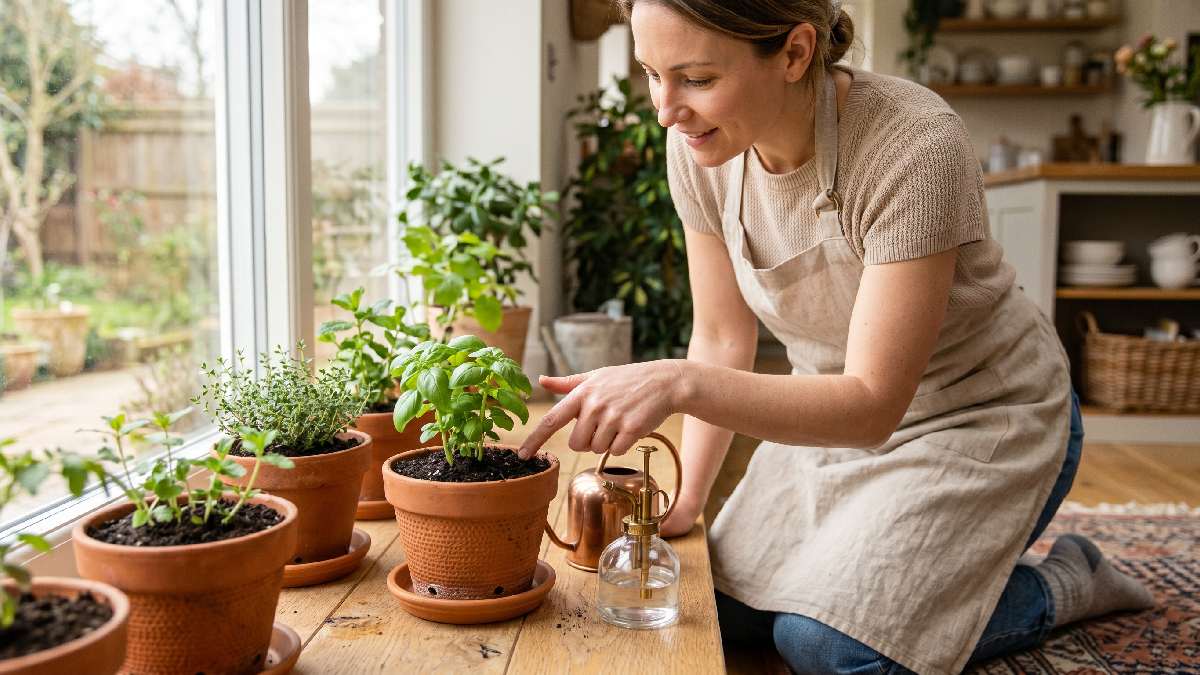
Drainage is important so water never sits at the bottom. A simple watering can or spray bottle works fine for beginners. When watering is consistent, plants stay healthy and respond better to other care steps.
Fertilizers and Plant Nutrition
Indoor vegetables need extra nutrition because the soil in pots loses strength over time. Organic fertilizers like compost tea or vermicompost work well. They slowly release nutrients without harming plants. Liquid fertilizers can also be used in small amounts.
Overfeeding should be avoided because it can burn roots. Feeding once or twice a month is usually enough for most plants. With proper nutrition, leaves grow fuller, colors become richer, and vegetables taste better. Healthy feeding keeps the whole garden productive and stable.
Step: by: Step Guide to Start Indoor Vegetable Gardening
Starting indoor vegetable gardening feels simple once you break it into steps. You don’t need a big setup or fancy tools, just a little space and consistency. Plants respond quickly indoors, so small actions show results fast.
The key is not rushing everything at once. You prepare the space, choose the crops, set the soil, and then let nature do its work. Slowly, your indoor corner starts turning green and fresh.
Step 1: Choose the Right Location
Pick a spot that gets good natural light, like a window or balcony door area. Avoid dark corners because plants struggle without brightness. The space should also be easy to access for daily care.
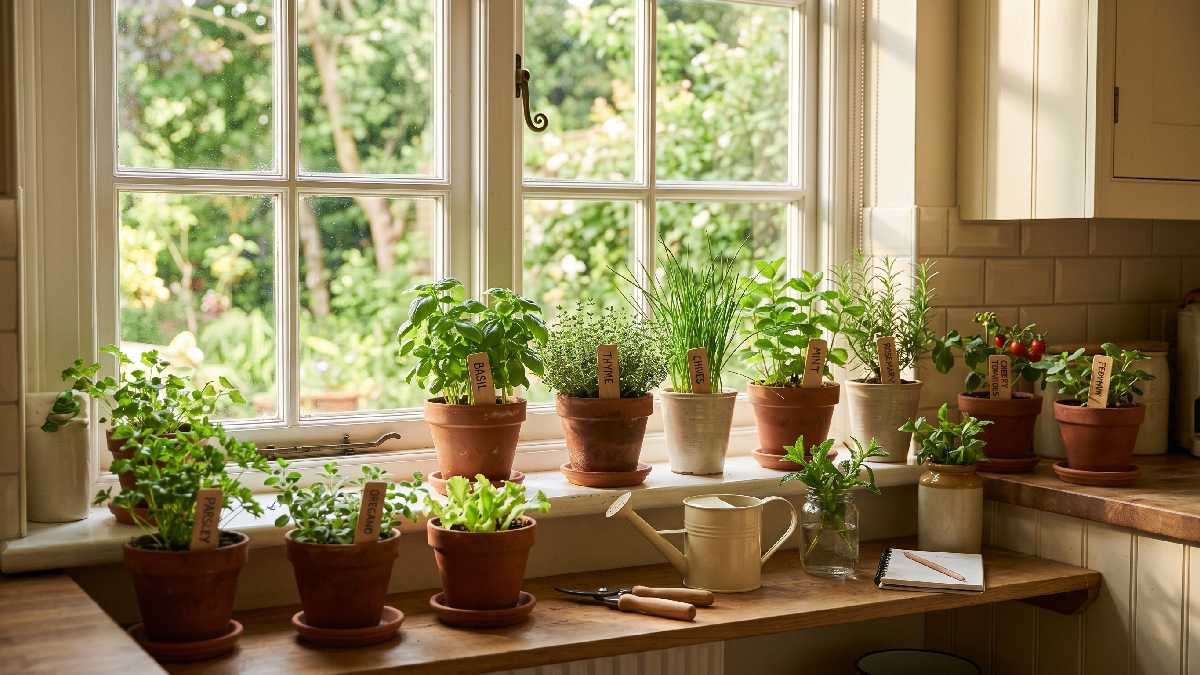
Even a kitchen shelf can work where there is enough light. Stability matters, so avoid areas with strong wind or constant movement. Once the location is right, everything else becomes easier and more predictable.
Step 2: Select Suitable Vegetables
Not all vegetables grow well indoors. Start with easy ones like spinach, lettuce, tomatoes, chilies, or herbs. These adjust quickly and don’t need too much space. Leafy greens are especially beginner-friendly.
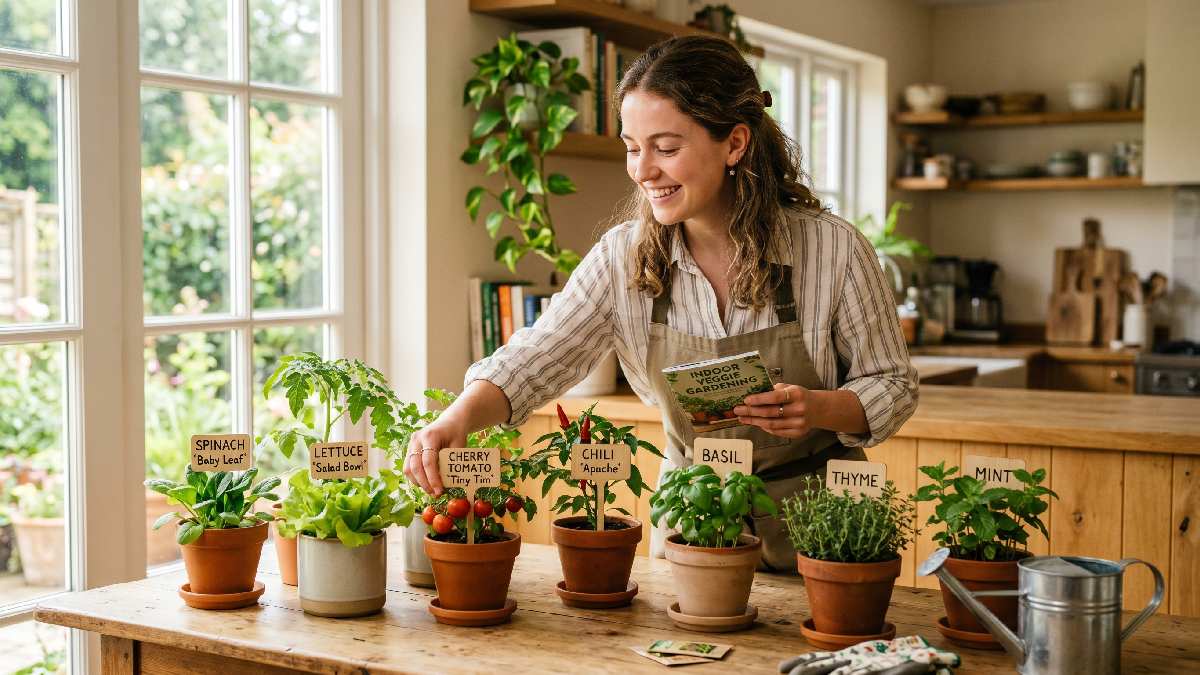
Avoid large crops at first because they need more root space. Choosing the right vegetables makes the whole process smoother and less frustrating. You get faster results and more motivation to continue.
Step 3: Prepare Containers and Soil
Containers should have drainage holes so water doesn’t stay stuck. Fill them with a light soil mix that drains well. A blend of soil, compost, and cocopeat works best. Soil should feel soft, not heavy or compact.
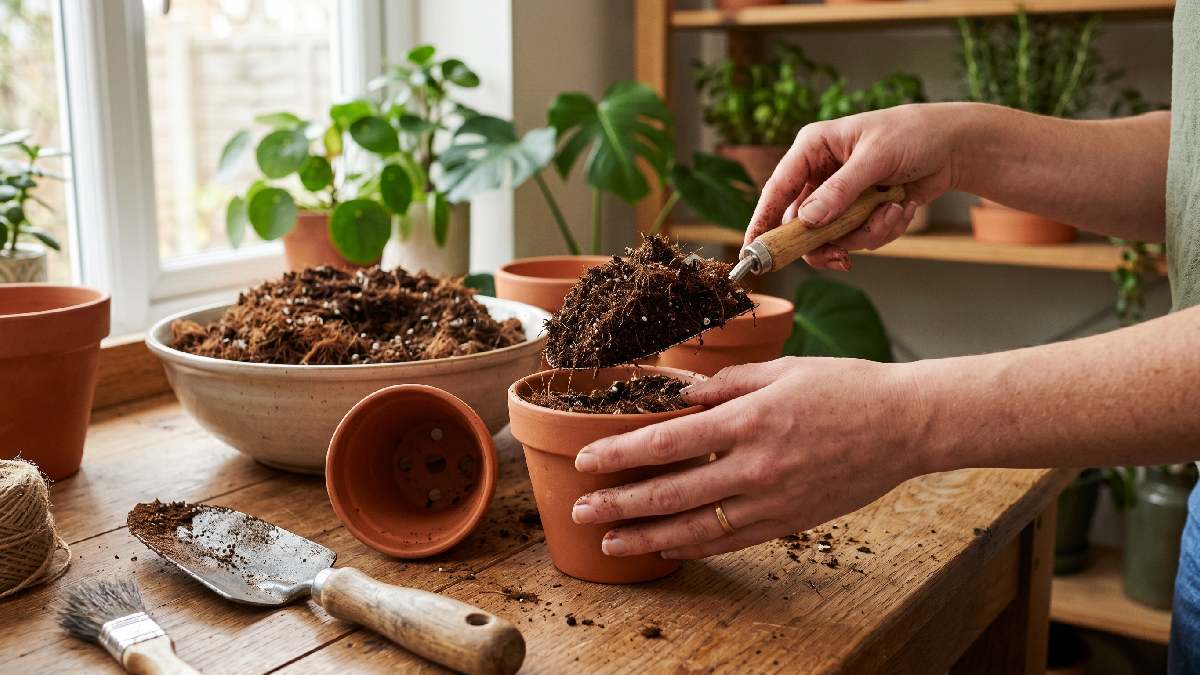
Leave some space at the top for watering. Good preparation at this stage decides how well plants grow later. Once everything is ready, planting becomes easy and clean.
Step 4: Plant Seeds or Seedlings
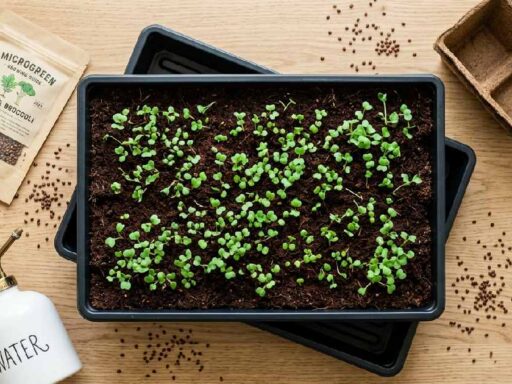
You can start either with seeds or small seedlings. Seeds need a little patience, while seedlings grow faster. Place them gently in the soil and cover lightly. Don’t plant too deep or too closely together.
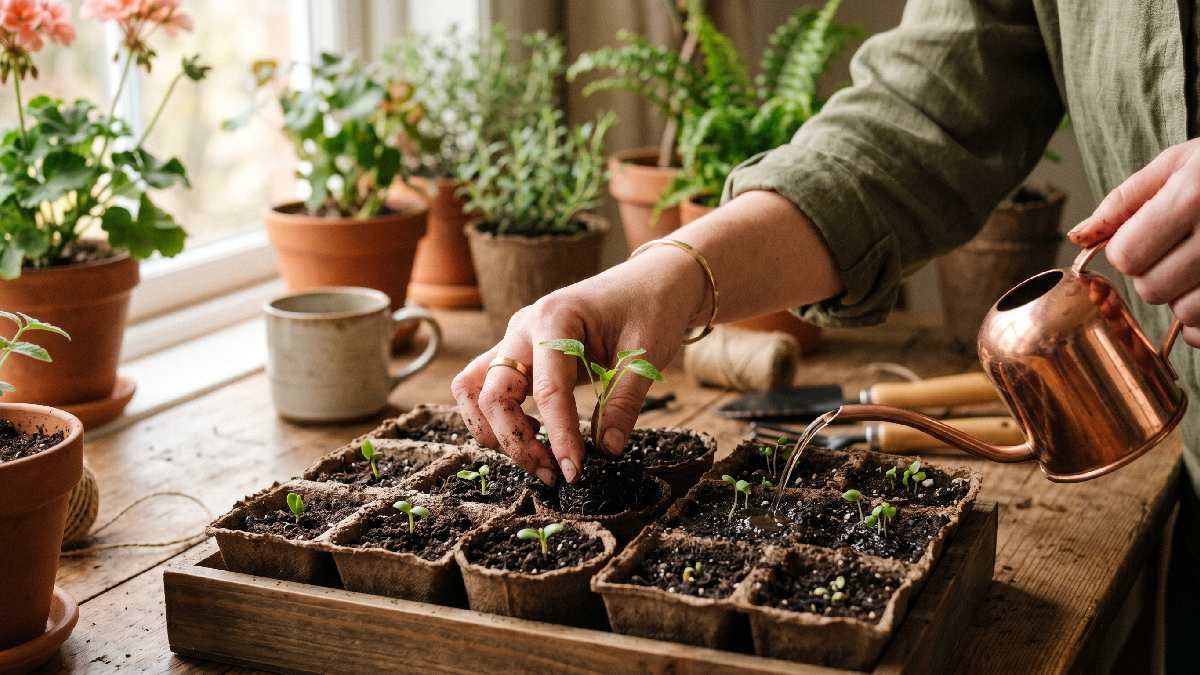
Space helps roots expand properly. After planting, water lightly to settle the soil. This step feels small, but it starts the whole growing process. Soon you’ll see tiny green signs of life.
Step 5: Watering Schedule
Watering should be consistent but controlled. Soil should stay slightly moist, not soaked. Check with your finger before watering. Some days need more water, some less, depending on heat and light.
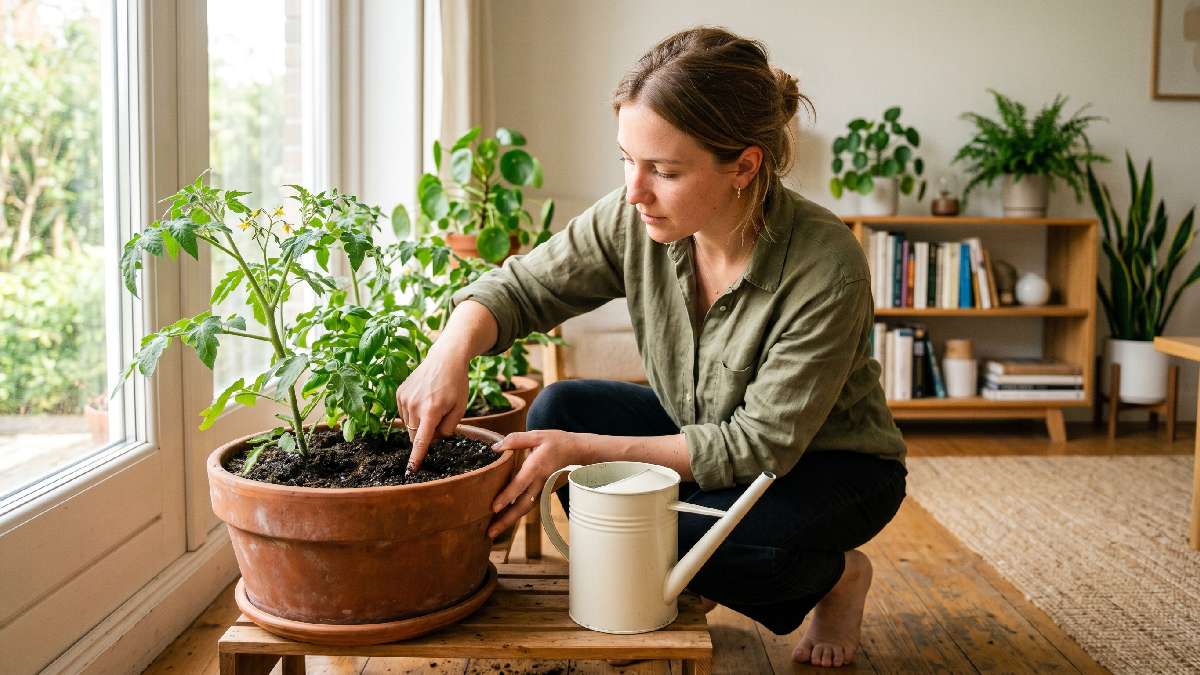
Overwatering can harm roots, so be careful. A simple routine works better than random watering. With time, you understand your plants’ needs naturally.
Step 6: Provide Light and Maintenance
Light is essential for healthy growth. Place plants where they get sunlight for a few hours daily or use grow lights. Rotate pots sometimes so all sides get light evenly.
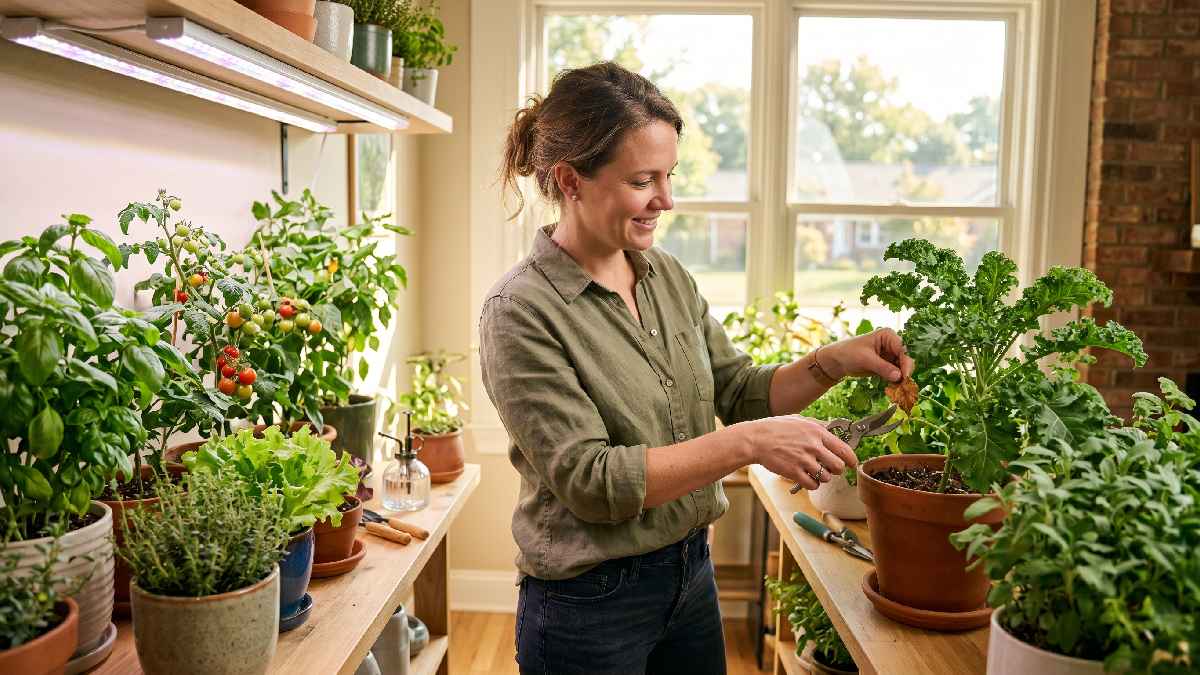
Remove dry leaves and check the soil regularly. Small maintenance keeps plants strong and fresh. With proper care, your indoor garden stays productive and green all year.
Common Mistakes in Indoor Gardening
Indoor gardening looks very simple in the beginning: you get a few pots, place them near a window, and expect everything to go fine. After some days, things don’t feel the same. Leaves lose that fresh look, growth slows down, and you start wondering what went wrong. Most people think water and sunlight are enough, but indoor conditions don’t really work that way.
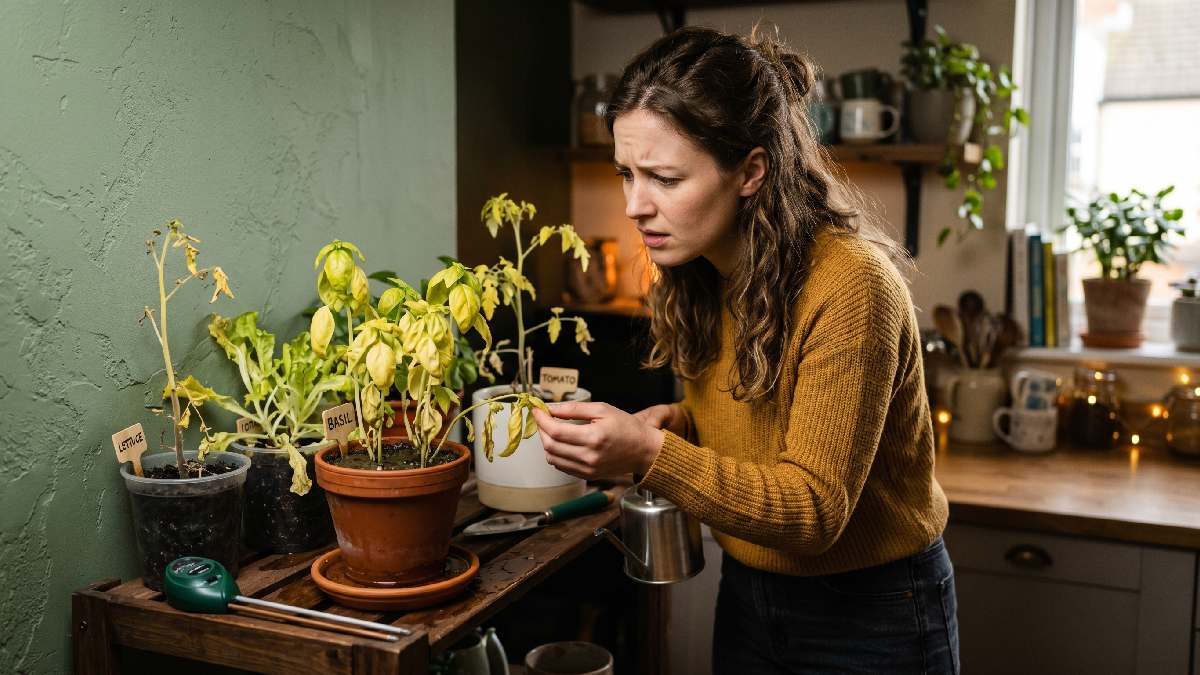
I once saw a guy keep changing plant positions again and again, thinking it would help; it only made things worse. Small mistakes happen quietly, with no big signs at first. By the time you notice, the plant is already struggling.
Overwatering the Plants
Watering feels like the easiest part, so people just do more of it. Soil stays wet for too long, roots don’t get enough air, and the problem starts from below. Leaves begin to look dull, a bit soft, color is not the same anymore. Someone I knew used to water twice a day, thinking that more care means better growth.
It didn’t end well. Checking the soil is simple, yet people ignore it. A little dryness is actually fine. Too much water slowly damages the plant, and you don’t even realize it at first.
Using Poor Quality Soil
Soil is something people don’t really care about in the start; they just use whatever is available. Later, it shows. Bad soil holds water in a heavy way, roots get uncomfortable, and growth becomes slow. Nutrients are also not often enough.
I’ve seen someone use garden soil directly in pots indoors, but it didn’t work properly. Good soil changes how plants behave, leaves look fresher, and growth feels more stable. It’s a basic thing, but often ignored without thinking much.
Insufficient Light Exposure
A room can look bright to us, but plants don’t see it the same way. A corner spot may seem fine, still not enough for proper growth. Plants start bending toward light, stems get thin, and leaves lose their strong color. I remember a plant leaning so much it almost looked sideways.
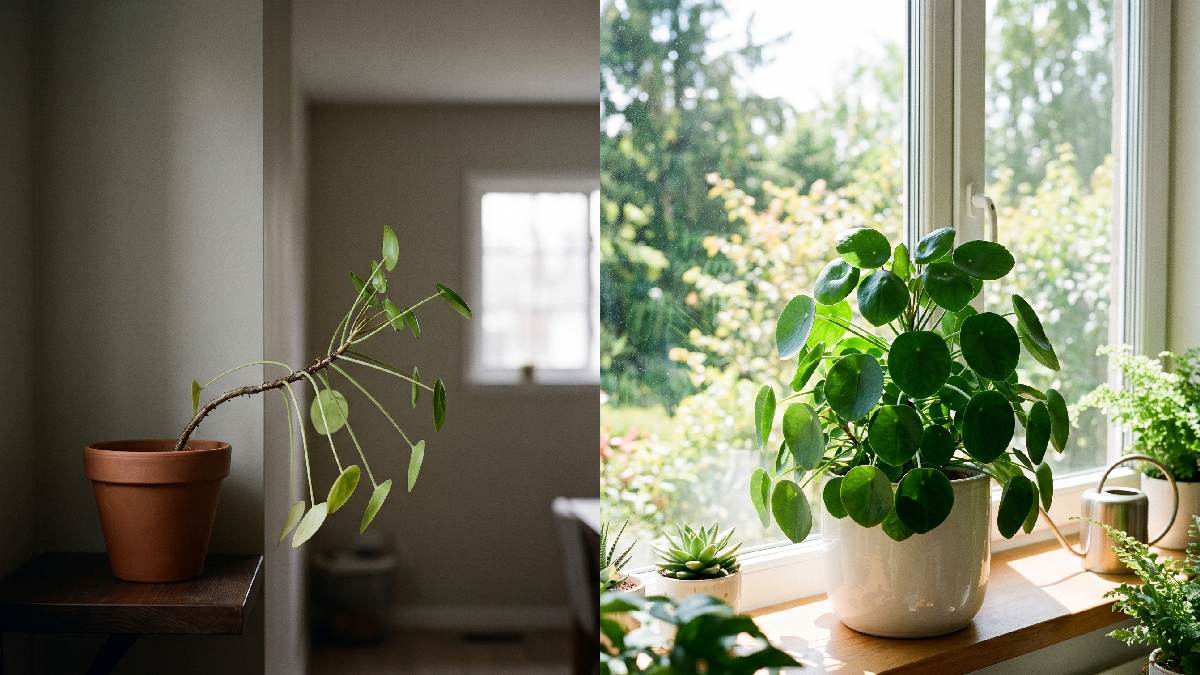
Placement matters more than people think. Window areas work better. Artificial lights can help, too, but most people don’t go for that. Without enough light, plants just survive, not really grow.
Choosing Wrong Vegetables
Not every vegetable works indoors, but people still try growing anything they like. Space is limited, light is not strong, but big plants are still chosen. Someone once tried growing a pumpkin in a small pot, which was already a bad idea.
Smaller plants are easier; herbs or leafy greens fit better in indoor setups. They don’t need too much space or heavy sunlight. Wrong choices make things frustrating, and then people think gardening is hard. It’s more about planning than effort.
Ignoring Plant Care Routine
In the beginning, people take good care of plants, then slowly routine disappears. Watering becomes random, leaves get dusty, pests show up without warning. It doesn’t happen suddenly, more like a slow decline.
I’ve seen plants left alone for weeks, and their condition just gets worse quietly. Small actions like checking the soil or cleaning leaves actually help a lot. Routine doesn’t have to be perfect. Just don’t ignore it completely. That’s where most problems start
Expert Tips for Better Indoor Gardening Results
Indoor gardening gets easier when you stop guessing and start observing small details. Plants don’t demand much, but they do respond strongly to environmental changes. Light, humidity, soil care, everything plays its part.
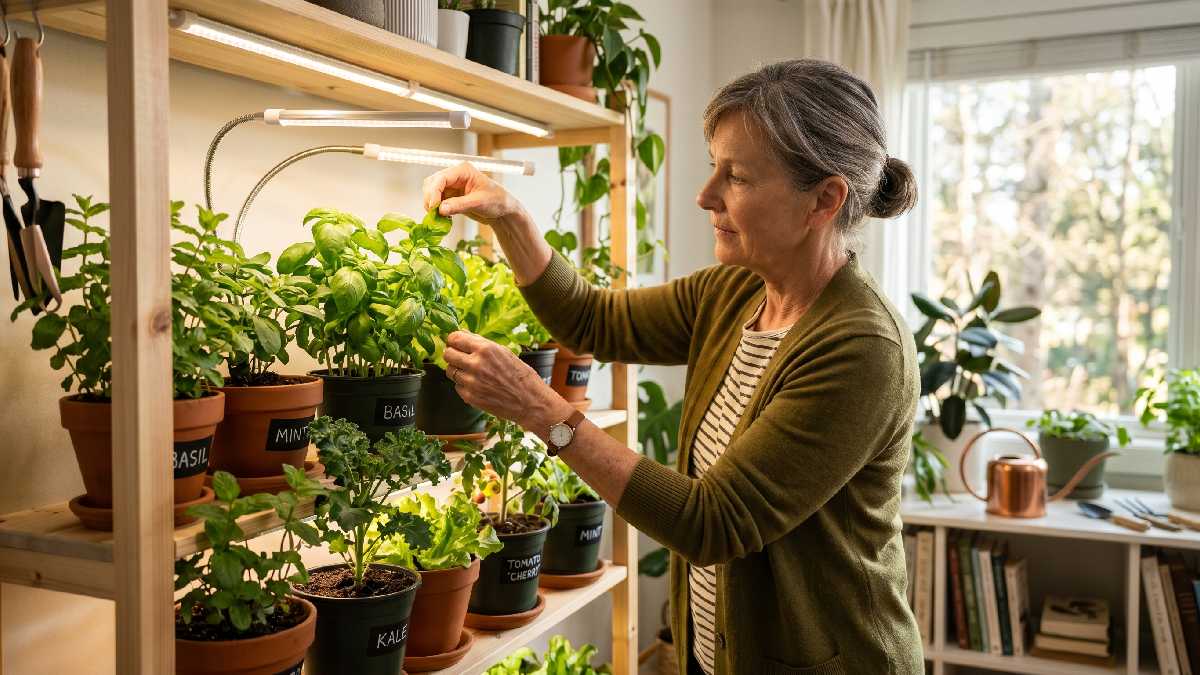
I’ve seen people struggle for months, then one small change changes everything. It’s not magic, just understanding what the plant is trying to show. Indoor setup always has limits, but results can improve a lot with simple habits.
Use LED Grow Lights Properly
Natural light is not always enough indoors, so LED grow lights become useful. People often place them randomly or keep them too far, then wonder why nothing changes. Distance matters, timing matters too.
A plant I saw was under a grow light, but still weak; turns out the light was barely reaching it. Once adjusted properly, growth started improving slowly. Not instant results, it takes time. Light consistency makes a big difference.
Maintain Proper Humidity Levels
Indoor air can get too dry, especially with fans or AC running. Plants start showing stress without obvious reasons. Leaves curl slightly, edges look dry, and growth feels off.
I remember someone misting plants randomly without checking the actual humidity, which didn’t help much. Balanced moisture in the air keeps plants calmer. Small humidifiers or simple water trays can help. It’s not complicated, just often ignored.
Rotate Plants for Balanced Growth
Plants naturally move toward light, so one side grows faster than the other. If you leave them fixed in one direction, the shape becomes uneven. I once saw a plant leaning so much that it looked tired on one side.
Rotating pots every few days fixes this slowly. Growth becomes more balanced, stems stay straighter. Simple habit, easy to forget though.
Use Organic Fertilizers
Chemical feeding feels quick, but organic fertilizers work in a more stable way. Soil improves over time, not just plant growth. People sometimes over-fertilize, thinking faster results will come, but plants react badly.
I’ve seen leaves burn slightly from too much feeding. Organic options are slower, but safer. Compost or natural mixes keep soil healthy in the long run.
Regular Pruning and Maintenance
Plants don’t stay perfect on their own; some trimming is always needed. Dead leaves stay on too long, plant starts wasting energy there. I’ve seen plants look messy just because no one removed old parts.
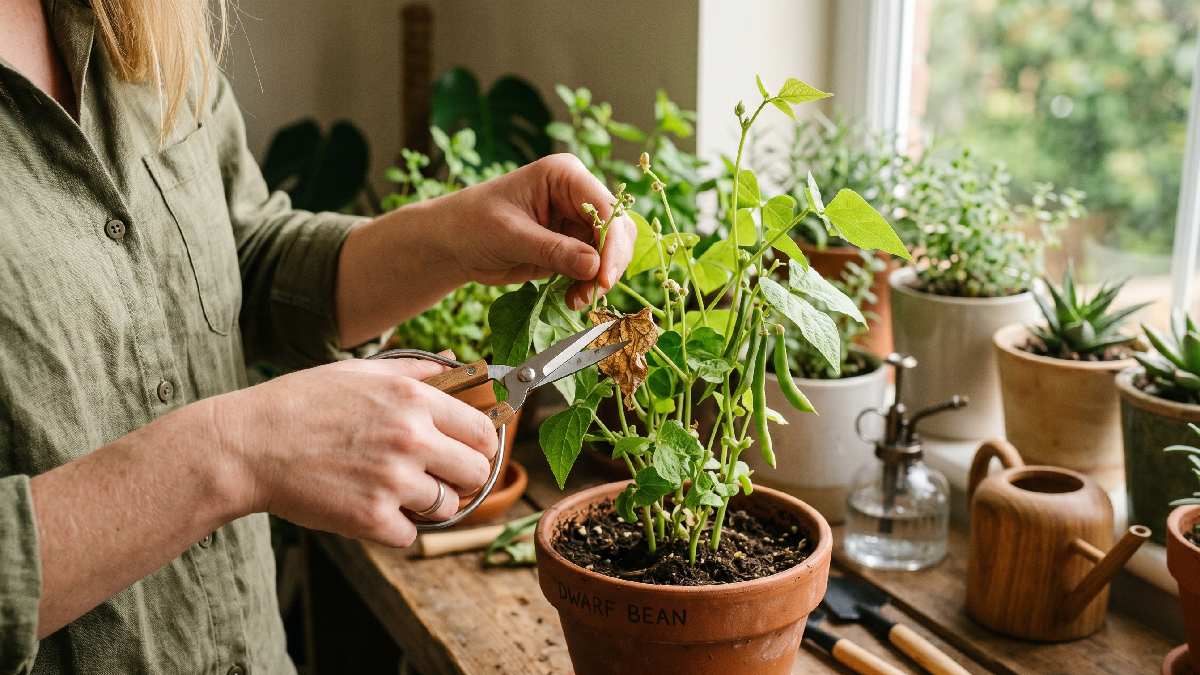
A little pruning helps new growth come through. Not heavy cutting, just light cleaning. Maintenance keeps the plant active instead of being stuck.
FAQs About Indoor Vegetable Gardening
Can vegetables grow indoors without sunlight?
Yes, but only with artificial lighting like LED grow lights. Without light, growth becomes very weak, plants struggle, and don’t produce proper vegetables indoors.
What are the easiest vegetables to grow indoors?
Leafy greens like spinach, lettuce, herbs, and small tomatoes are easiest. They adapt well indoors, need less space, and don’t require heavy sunlight or care.
How often should I water indoor plants?
Watering depends on soil moisture, not fixed timing. Usually, once or twice a week is enough, but always check the soil before adding more water.
Is indoor gardening expensive to start?
Not really. Basic setup is cheap with pots, soil, and seeds. Costs increase only if you add grow lights or advanced equipment for better results.
How long do indoor vegetables take to grow?
It depends on plant type. Leafy greens grow in a few weeks, while tomatoes and peppers may take a few months under proper indoor conditions.
Conclusion
Indoor gardening looks simple from the outside: a few pots, some light, a bit of water, and that’s it. Reality behaves differently indoors. Plants react slowly, sometimes too quiet to notice early mistakes. I’ve seen people start with full energy, then lose plants just because small things were ignored. Watering, soil choice, light, routine, all of them matter together. Missing one part creates an imbalance that shows later.
Nothing feels wrong at the start, then suddenly the plant looks weak, and people get confused. It’s not about doing everything perfectly. More about watching carefully and adjusting small things when needed. Plants don’t talk; they show signals in their own way. Once you start noticing that, indoor gardening becomes more stable, even a bit enjoyable sometimes.