

Best Microgreens to Grow at Home (Easy, Nutritious & Beginner-Friendly Guide)
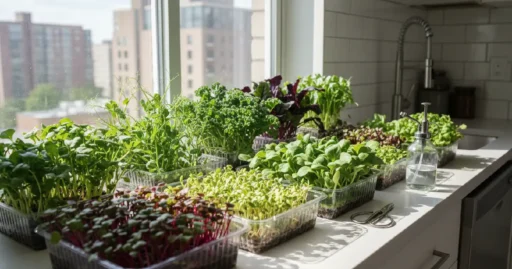
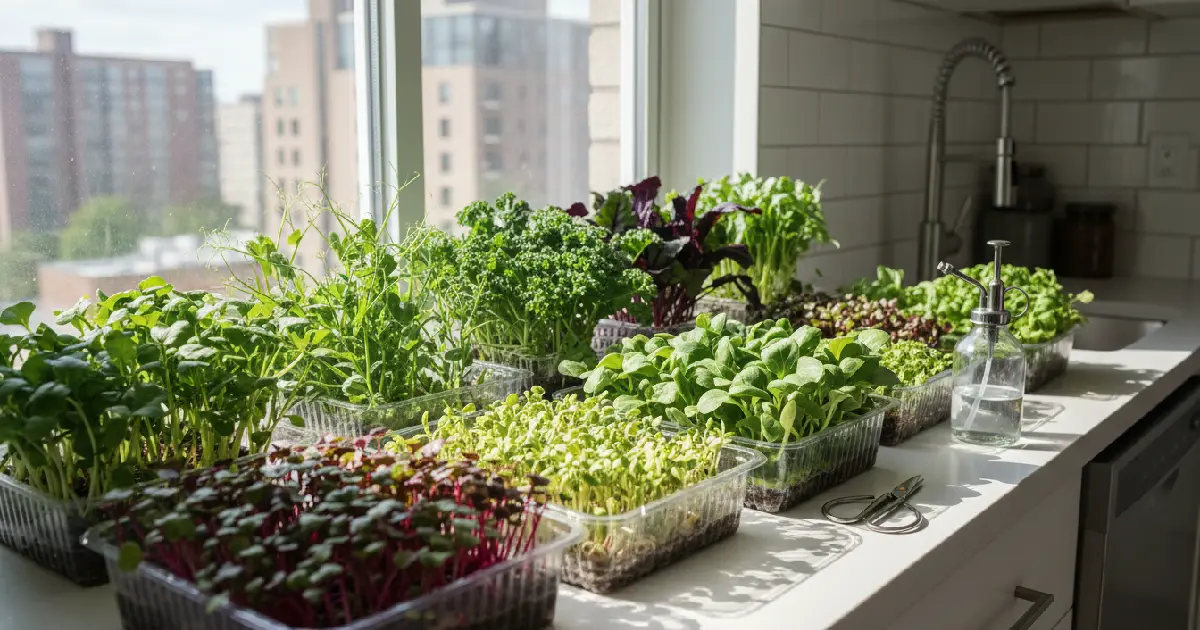
Microgreens are tiny but strong. Seeds hit the soil. Roots grab fast. Leaves push up. Radish bites are spicy. Sunflower snaps crisp. Broccoli is thick, stacked with vitamins. Pea shoots are soft and taste sweet. Kale, beet, basil pop colors, flavor hits hard. Beginners stare at trays, can’t believe it grows this fast.
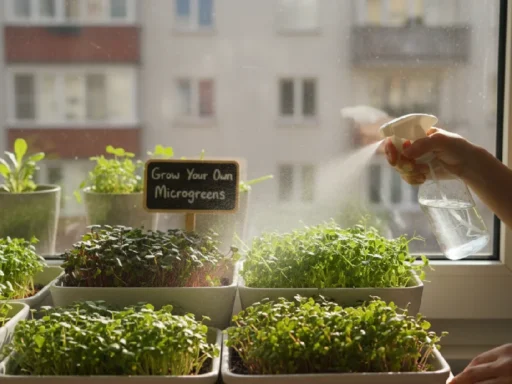
No garden needed. Windowsill works fine. Water enough, give light. Wait. Leaves are green, smell fresh. Harvest quickly, feel alive. Tiny leaves, big energy. Mix types, colors, jump, taste changes daily. The kitchen turns lively. Each tray surprises. Energy feels real.
What Are Microgreens?
Microgreens tiny plants. Cut early. Leaves are small, 1 to 3 inches. Flavor is strong, fresh. Nutrients packed. Roots stay hidden in the soil or mat. True leaves pop fast. Different from sprouts. Sprouts stay in water. Microgreens need medium.
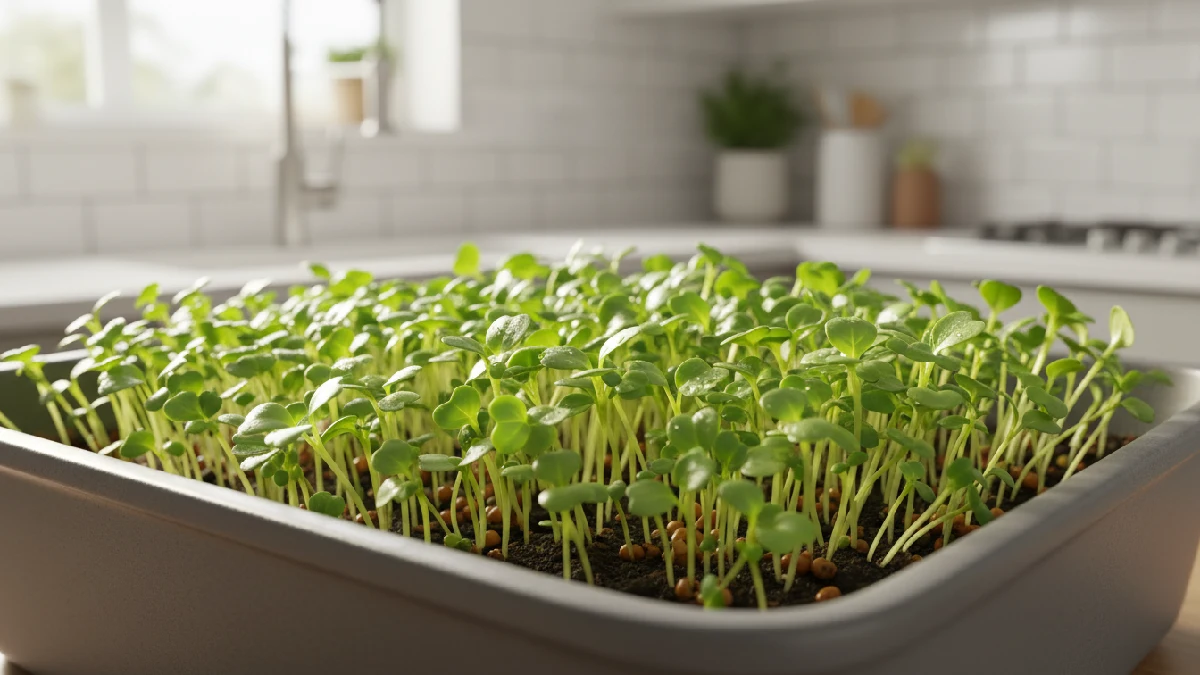
Watching tiny shoots grow excites beginners. Every tray feels alive. Eating them fresh hits different. Energy feels real. Easy to start. Kitchen corners turn green. Mist, light, water. That’s all you need. Growth surprises daily.
Microgreens vs Sprouts: What’s the Difference?
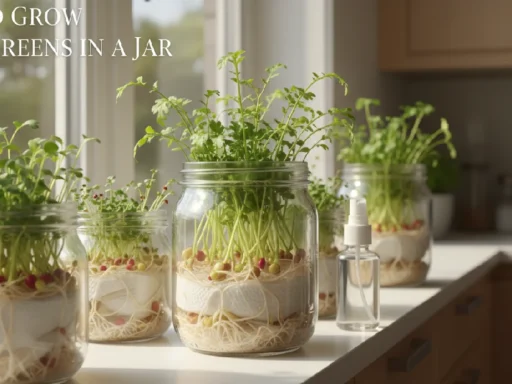
Microgreens are tiny. Leaves firm. Roots grab soil. Sprouts wet. Stems bend easily. Microgreens snap in a bite. Sprouts have a soft, mild taste. Microgreens take a week or more. Sprouts pop fast, in two to three days. Baby greens are bigger and slower.
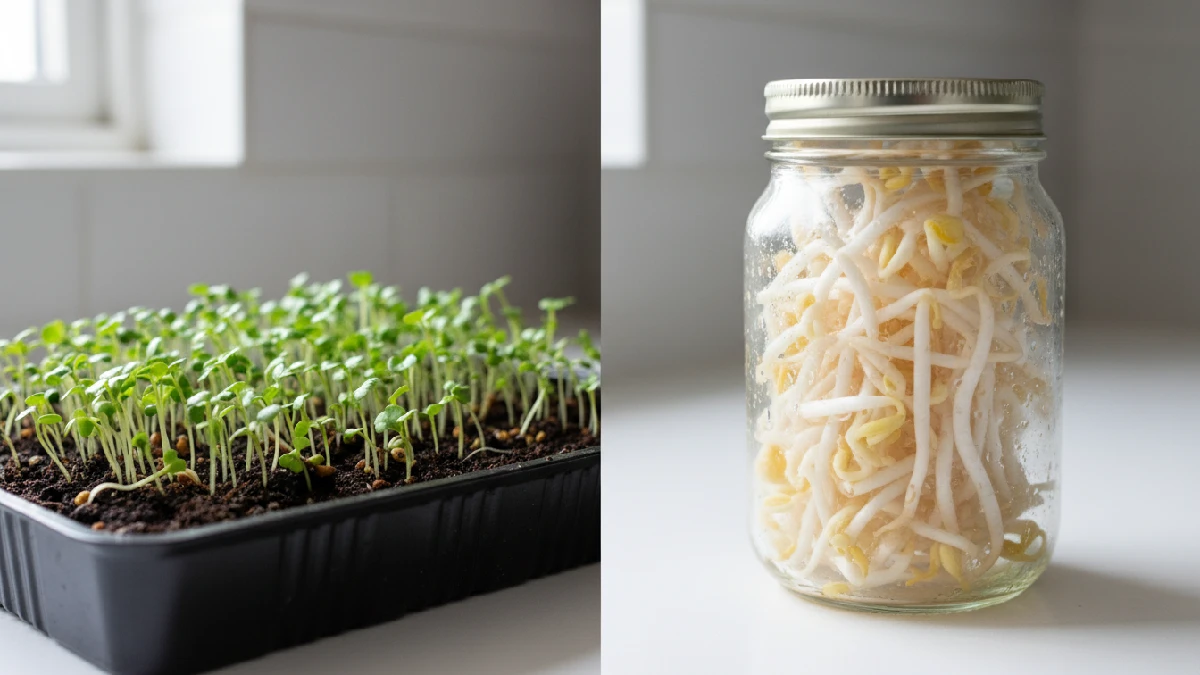
Flavor lighter. Microgreens grow in trays, kitchen corners. Sprouts need jars, always water. Watching microgreens stretch feels alive. Sprouts wriggle, small fun. Every tray tells a story. Beginners notice little changes. Growth surprises often.
Why Microgreens Are So Popular in Urban Gardening
Microgreens fit small spaces. Windowsills, balconies, kitchen corners. People love that. No big garden needed. They grow fast. Ready in days. Flavor hits strongly. Nutrition stacked high. Beginners notice energy from fresh greens. Indoor growing works year-round. Winter, summer, rain, no problem. Trays stay lively.
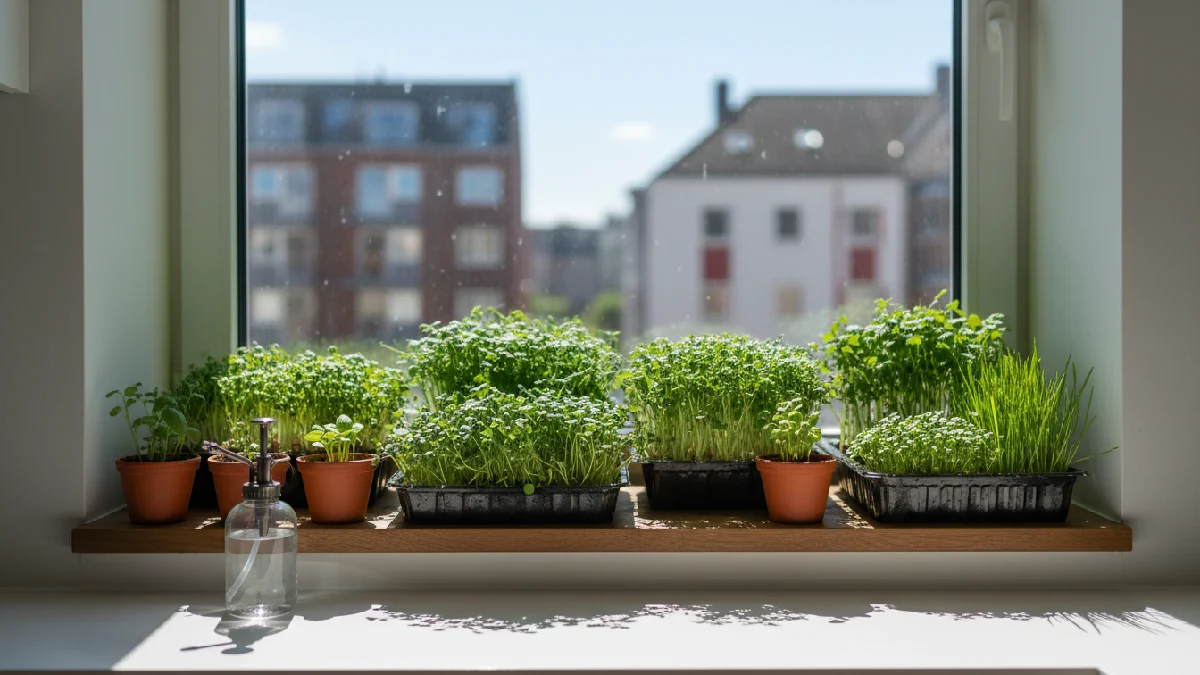
Tiny leaves pop daily. Harvest feels satisfying. Cost low, effort small. Urban homes get greenery. Kitchens turn alive. Microgreens surprise often. Each batch teaches patience. Easy to start. Results show fast. Energy feels real. Small effort, big reward. Indoor gardening never felt this fun.
How Long Do Microgreens Take to Grow?
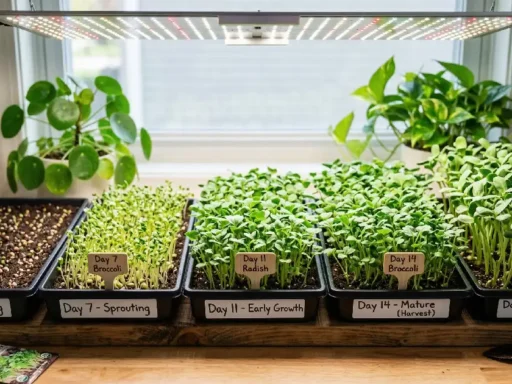
Microgreens pop fast. Radish first, tiny shoots show in a week. Sunflower, slower, you wait a bit. Broccoli, peas, and mustard follow. Leaves are small, green, and fresh. You check trays daily. Roots grab soil. Tiny changes excite beginners. Harvest comes quickly. Timing shifts with light, water, and type.
Mist, adjust, watch. Energy feels real. Each tray surprises me. Cutting leaves feels good. Eating fresh hits differently. Tiny effort, big result. The kitchen turns lively. Growth is addictive. You notice every day. Microgreens teach patience. Flavor, color, and crunch appear fast. Motivation stays high. Every tray tells a story.
Why You Should Grow Microgreens at Home
Growing microgreens at home feels good. Leaves are tiny but packed with vitamins. Freshness hits immediately. It tastes sharp. The cost is low, and seeds are cheap. Space is small, the windowsill is enough. You see growth daily. Energy feels alive. Indoor trays are cozy. You control everything. No chemicals, no surprises. Beginners notice results fast. Harvest comes in days.
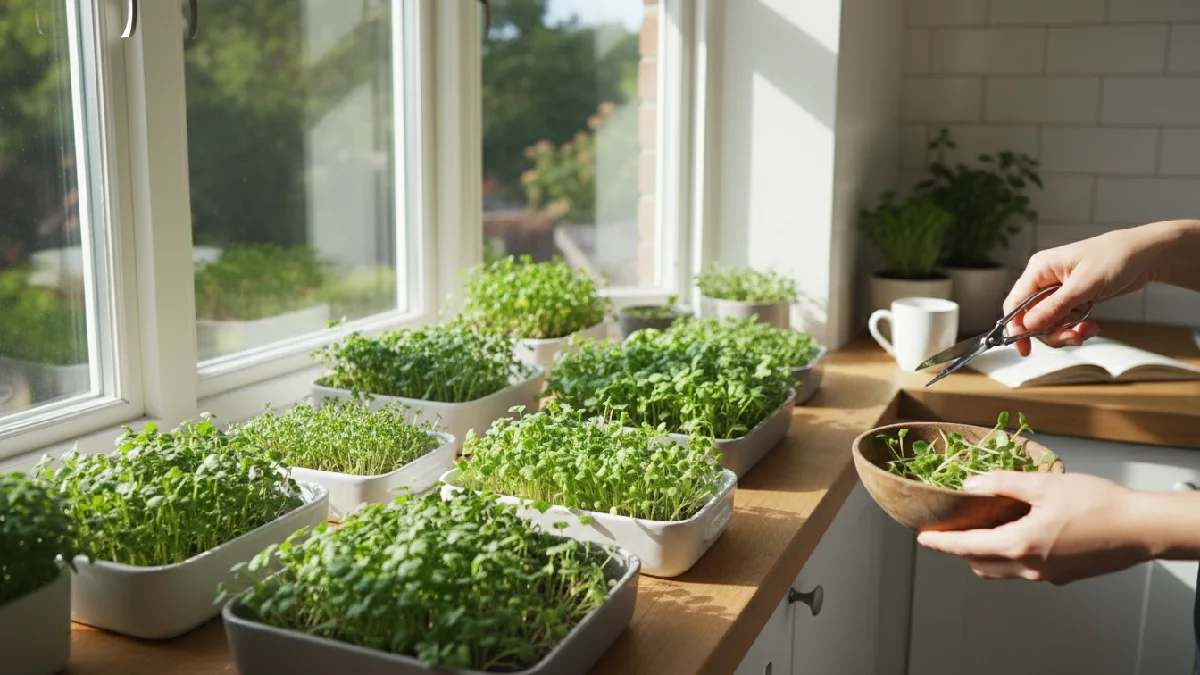
Meals look colorful. Nutrition stacks up. Every tray teaches something. Mist, water, adjust light. Tiny hands cut shoots. Eating feels satisfying. Home feels lively. Every day brings small excitement. You mix flavors, try new seeds. Growth surprises often. Confidence builds naturally. Homegrown greens taste better. Effort small, reward big.
Fast Harvest (Ready in 7to 14 Days)
Microgreens grow fast indoors. Most are ready in 7to 14 days. Radish sprouts first. Sunflowers take a bit longer. Leaves are small, stems are tender. Roots grab soil quickly. Harvest when true leaves show. Energy feels real. Beginners watch daily. Trays turn green. Growth excites.
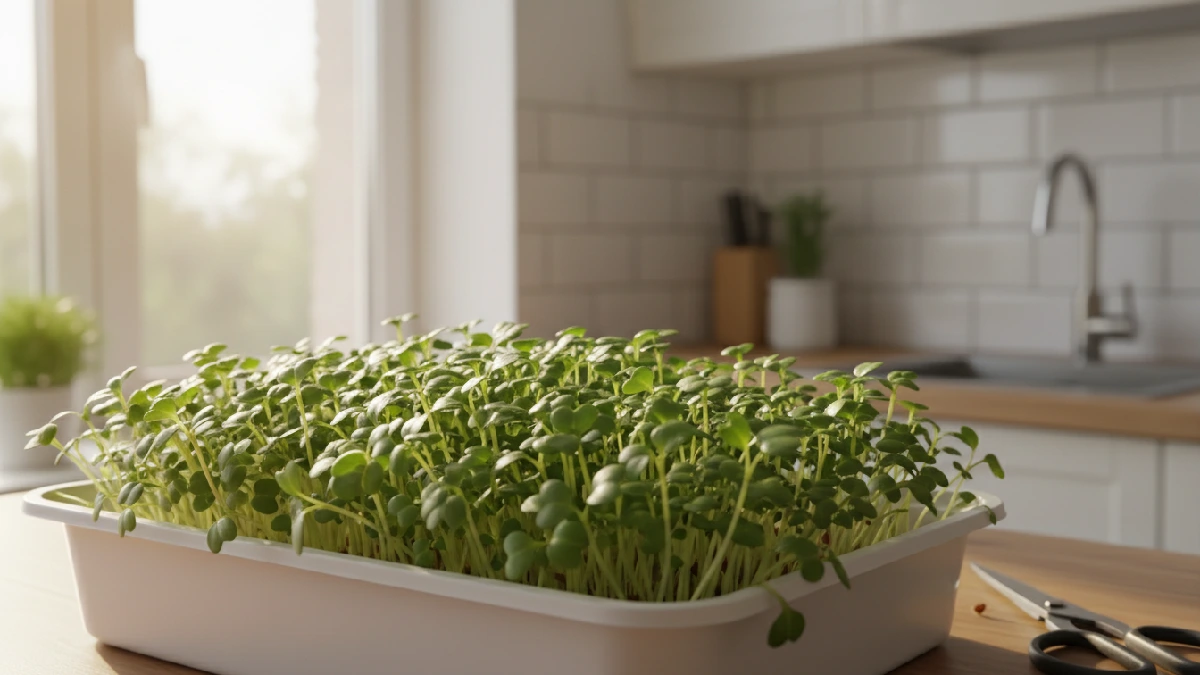
Tiny leaves pack flavor. Nutrition stays high. Small effort, big reward. Every tray teaches patience. Kitchen corners feel alive. Watching shots pop surprises. Indoor microgreens are perfect for quick harvest. Care feels simple. Every batch brings something new.
High Nutritional Value
Microgreens pack a punch. Tiny leaves, huge nutrients. Vitamins A, C, and K stacked. Minerals are dense. Antioxidants high. One handful stronger than full, grown greens. Energy feels real. Taste hits sharp. Beginners notice subtle changes. Leaves are small and crunchy. Meals are brighter, fresher. Kitchen corners turn lively.
Harvest quickly. Indoor microgreens keep nutrition intact. Soil or mats don’t steal goodness. Care feels simple. Every tray teaches patience. Growth excites. Tiny effort, big reward. Eating fresh microgreens feels satisfying. Plants surprise daily. Nutrition stays high. Flavor pops naturally.
Grow Indoors Year-Round
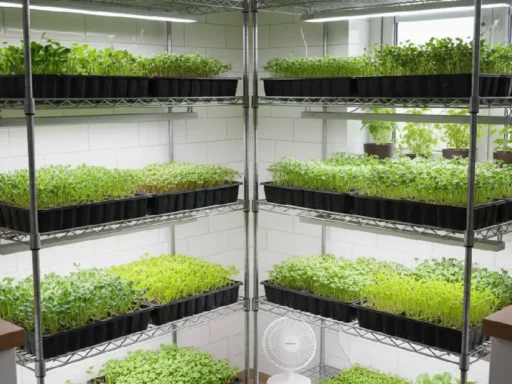
Microgreens don’t care about seasons. Winter, summer, rainy days, they grow anyway. Indoor light and temperature matter more than weather. Trays on windowsills or under LEDs thrive. Tiny shoots pop fast. Leaves stay bright green. Energy feels alive. Beginners notice growth daily.
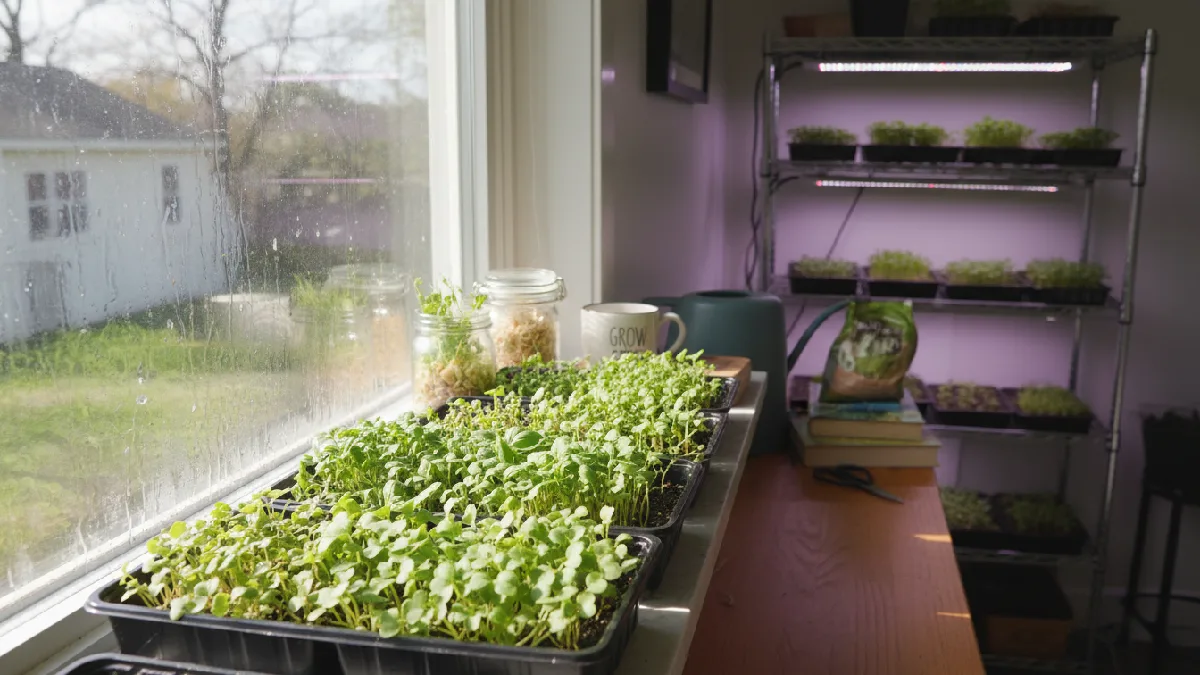
Kitchen corners turn lively. Harvest comes quickly. Nutrition stays high. Flavor hits strongly. Care feels simple. Mist, watch, repeat. Each batch teaches something. Indoor microgreens give fresh greens anytime. Every tray surprises me. Growth excites. Small space, big reward. Watching shoots grow is fun.
Budget, Friendly Gardening Option
Microgreens indoors cost little. Seeds are cheap, trays are reusable. Soil or cocopean is simple. No fancy tools needed. Mist lightly. Light from the window works. Tiny shoots pop fast. The leaves are small, flavor is strong. Nutrition stacked high. Beginners notice growth daily. Kitchen corners turn green.
Harvest comes quickly. Energy feels real. Small effort, big reward. Each tray teaches patience. Microgreens surprise often. Care feels simple. Indoor gardening becomes fun. Every batch feels alive. Tiny space, huge results. Watching growth excites. Food is fresh, healthy, and satisfying.
Best Microgreens to Grow for Beginners
Beginners love fast-growing microgreens. Radish sprouts quickly. Leaves are small and spicy. Easy to watch growth. Sunflower takes longer, but fun to see the shoots pop. Pea shoots regrow sometimes. Broccoli microgreens are dense and green. Mustard is simple too; the peppery taste hits strong. Tiny trays fill fast. Growth excites beginners.
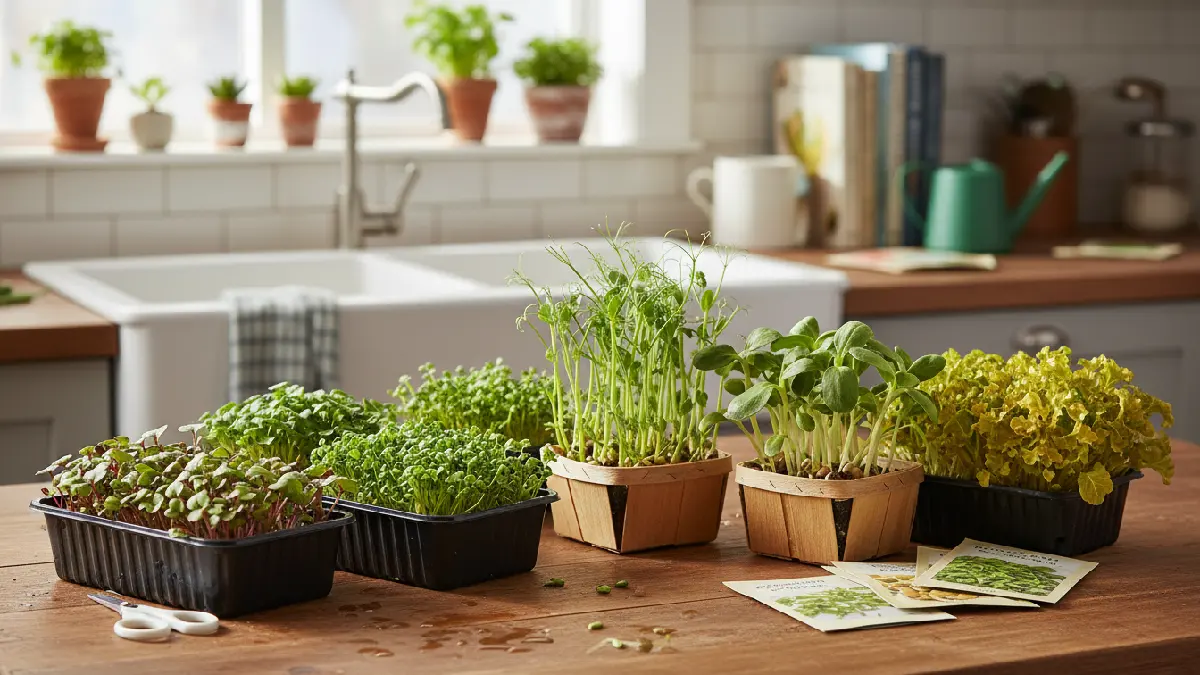
Energy feels real. Every tray surprises me. Care feels natural. Easy to harvest. The leaves are bright and fresh. Perfect for first-time growers. You learn by doing. Mist, water, watch daily. Tiny adjustments matter. Kitchen corners turn lively. Results come quickly. Motivation stays high. Every small harvest builds confidence.
1. Radish Microgreens (Fastest Growing Option)
Radish microgreens grow super fast. Leaves are small, stems are thin and crisp. The flavor is peppery, hits strongly. Seeds sprout in days. Trays fill quickly. Light steady, water gentle. Growth feels alive. Beginners notice change fast. Harvest first true leaves. Wait longer, stems tough, taste sharper.
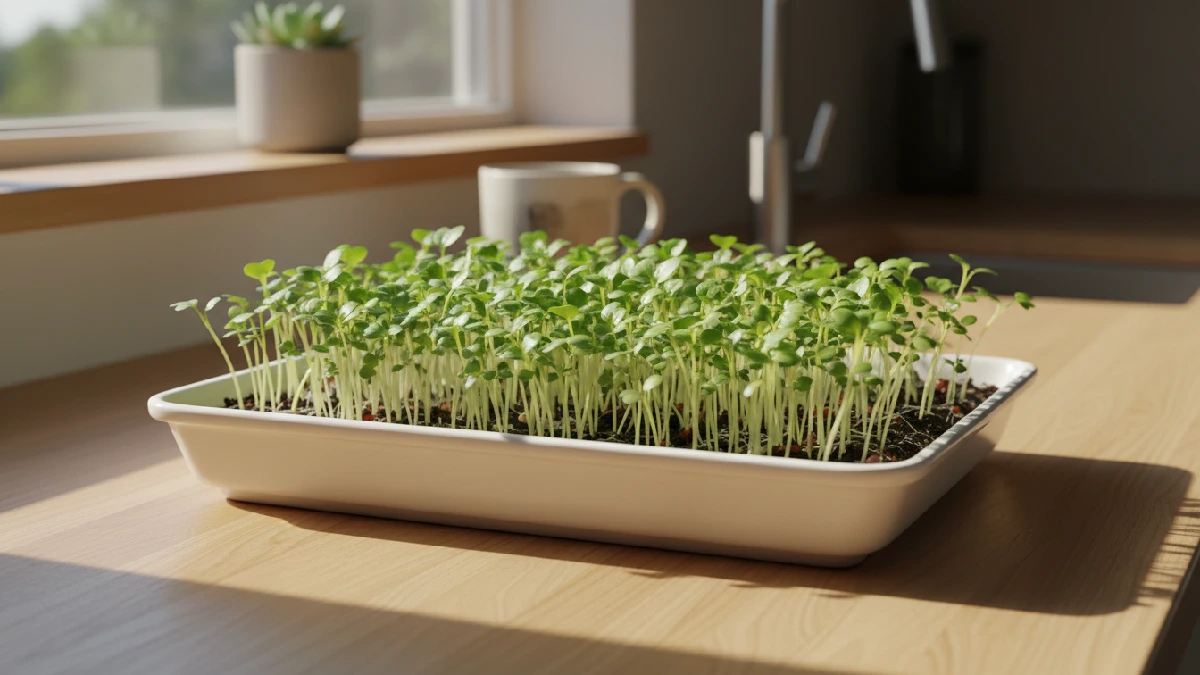
Tiny shoots pack vitamins and antioxidants. Salads, sandwiches, smoothies, etc. The kitchen feels lively. Effort small, reward big. Leaves bright, energy real. Every tray surprises me. Care stays easy. Microgreens are exciting daily. Meals taste fresh. Growth feels fun.
2. Broccoli Microgreens (Most Nutritious Choice)
Broccoli microgreens are tiny. The leaves are dark green. Packed with nutrients. It tastes mild but fresh. Stems firm. Trays fill fast. Seeds sprout quickly. Roots grab soil. Water gently. Leaves pop up daily. Energy feels real. Beginners notice growth.
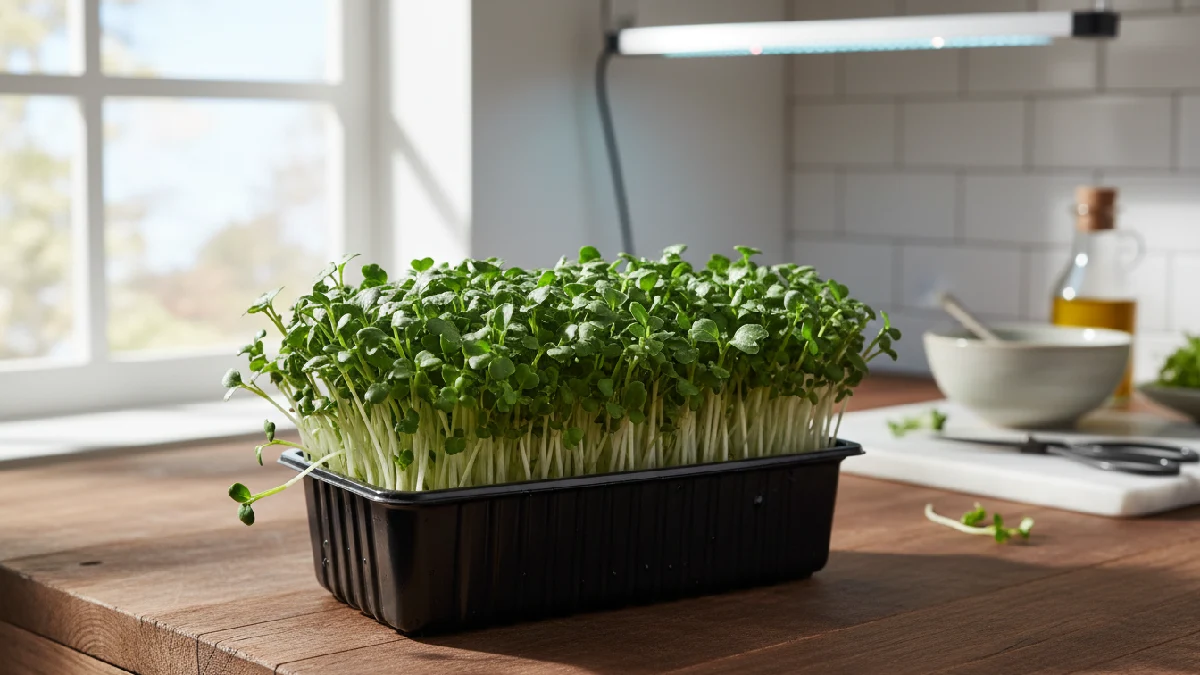
Add to salads or sandwiches. Meals feel alive. Indoor trays handle them well. Small effort. Big reward. Watching tiny shoots stretch excites. Each tray teaches patience. Nutrition stays strong. Growth feels satisfying.
3. Pea Shoots (Sweet and Easy to Grow)
Pea shoots are soft. Leaves are small and tender. It tastes slightly sweet. Stems crisp under bite. Seeds sprout fast. Shoots climb up. Trays fill green. Beginners watch in amazement. Roots grab soil gently. Water lightly.
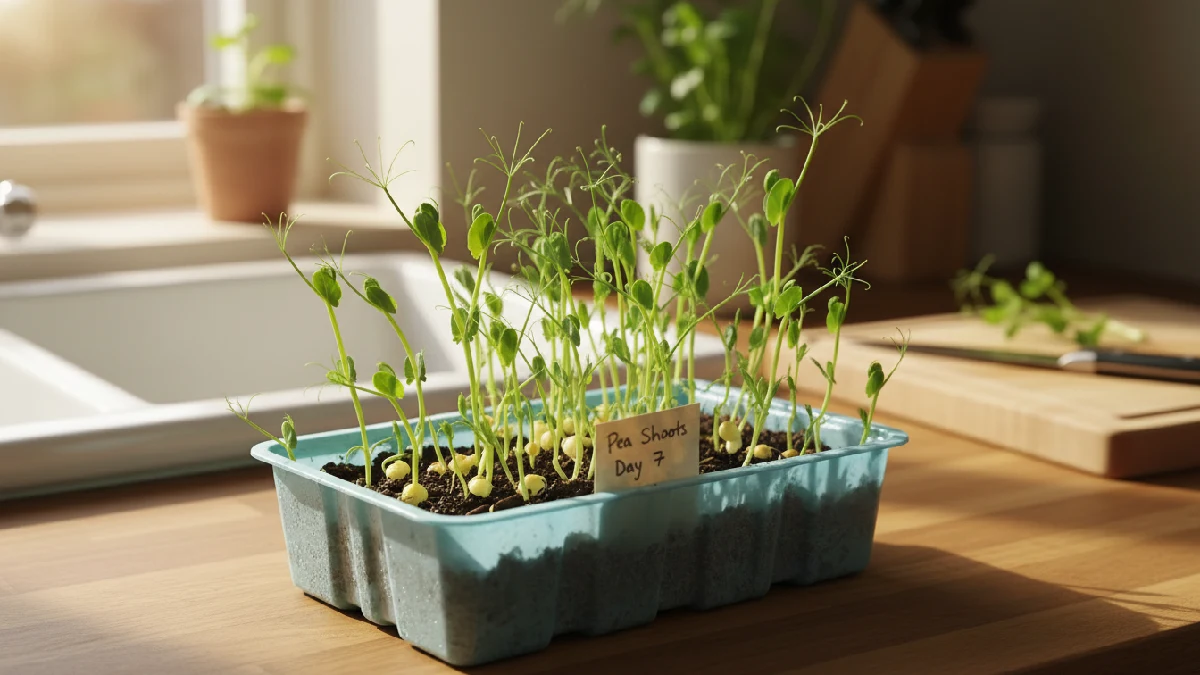
Leaves pop up daily. Energy feels alive. Meals brighter. Add handfuls to sandwiches or salads. Indoor growing works well. Tiny effort. The reward shows quickly. Every tray teaches something. Growth feels satisfying.
4. Sunflower Microgreens (Crunchy & Filling)
Sunflower microgreens grow thick. Stems firm, leaves bright green. The flavor is nutty and slightly sweet. Handful feels filling on a salad or a sandwich. Seeds pop fast in shallow trays. Light steady, water gentle. Growth moves quickly. Beginners smile watching shoots push up.
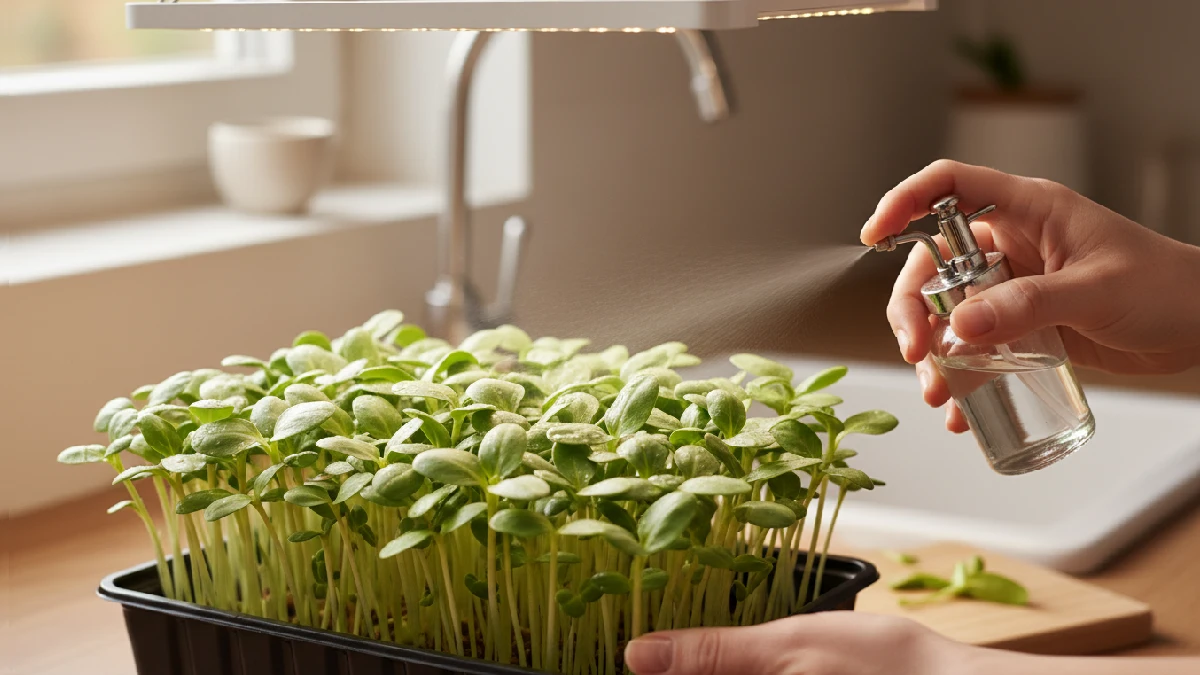
Harvest first true leaves. Wait longer, stems toughen. Tiny shoots pack nutrition. The kitchen feels lively. Effort small, reward big. Leaves crisp, energy real. Every tray surprises me. Care stays easy. Meals taste fresh. Microgreens are exciting daily.
5. Mustard Microgreens (Spicy & Flavorful)
Mustard microgreens grow fast. The leaves are small, and the flavor is sharp and spicy. One pinch wakes up salads or sandwiches. Seeds sprout quickly in trays. Light steady, water gentle. Growth feels lively. Beginners notice the punch immediately. Harvest when the first true leaves appear.
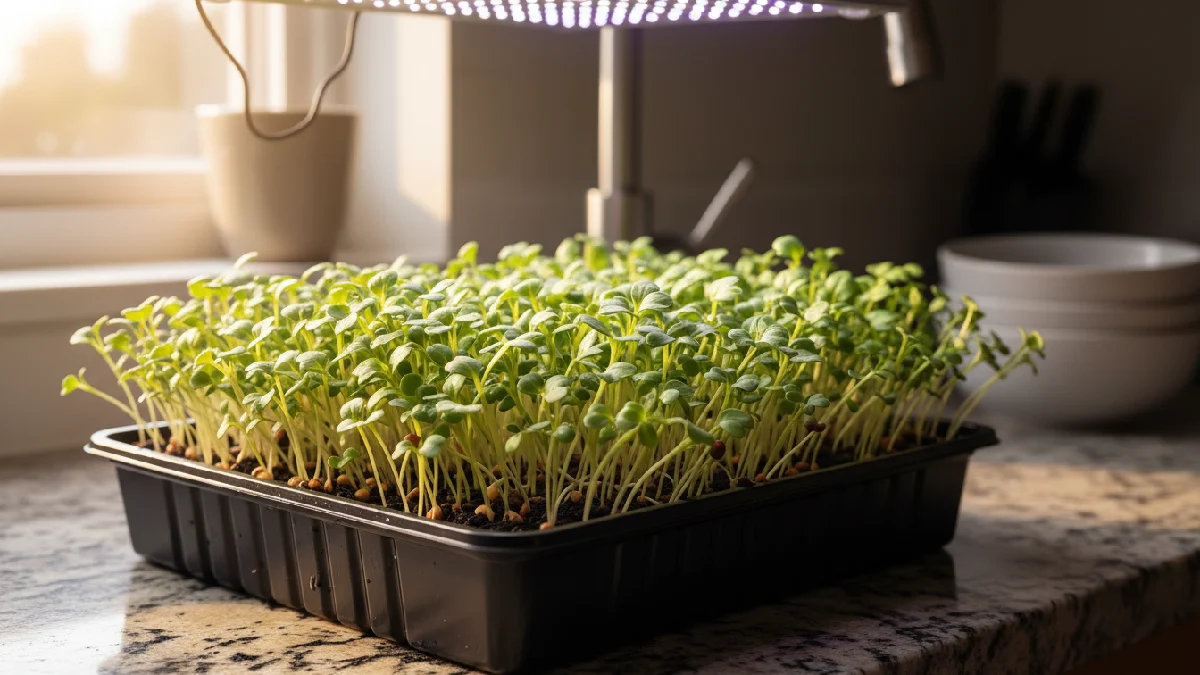
Wait too long, stems get bitter. Tiny shoots pack nutrition and flavor. The kitchen smells fresh. Tiny effort, big payoff. Leaves crisp, taste strong. Energy feels real. Every tray surprises me. Microgreens stay rewarding. Care stays simple. Meals feel alive with mustard. Tiny leaves, bold flavor. Growth excites daily.
Best Microgreens to Grow for Maximum Nutrition
Some microgreens are crazy strong in nutrition. Tiny leaves, big vitamins. Kale hits first. Vitamins A, C, and K are all there. Broccoli follows. Antioxidants punch hard. Red cabbage pops with color, crunch, and health. Beet microgreens are sweet minerals dense. Pea shoots are soft, protein is okay. Trays look alive.
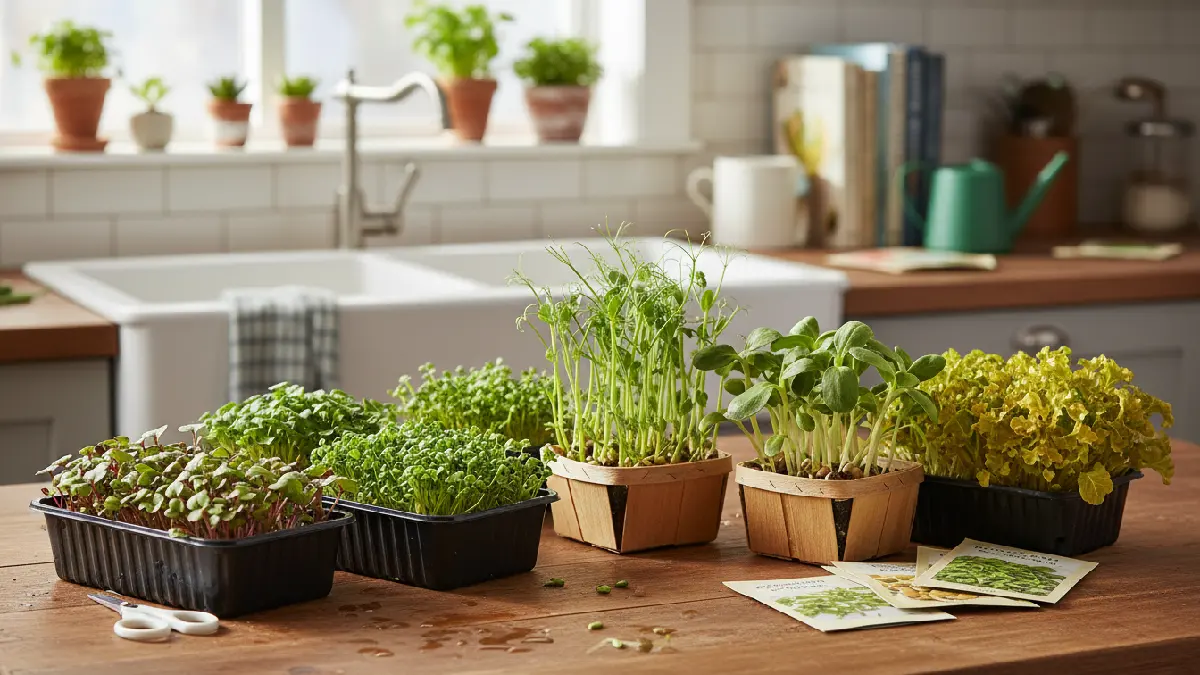
You snip, eat, and feel energy fast. Homegrown beats store greens. Leaves taste sharp. Beginners notice the body reacts quickly. Mix types, meals are more fun. Smoothies, salads, and sandwiches glow. Tiny greens, big impact. Growth surprises daily. Nutrition high. Energy is real. Trays easy, effort low, reward big.
Kale Microgreens
Kale microgreens grow steadily and strongly. Leaves are small, deep green, and stems are thin but firm. The flavor is mild compared to mature kale. Slight earthy bite. Smoothies handle them well. Salads feel cleaner with a handful tossed in. Seeds sprout reliably when the moisture is balanced. Too much water slows them down.
I once overdid it, and the tray looked tired. Harvest once the first true leaves appear. Wait longer, and the texture turns slightly tougher. Nutrients sit concentrated in those tiny shoots. Vitamins high. Antioxidants are strong. The kitchen feels fresh with kale nearby. Care simple. Results feel solid, almost dependable.
Amaranth Microgreens
Amaranth microgreens look dramatic. Stems are bright pink, leaves are deep magenta under light. They almost glow on the tray. The flavor is mild, slightly earthy, with soft sweetness. Chefs love them for color. Home growers feel proud too. Seeds are tiny; spread them carefully. Moisture steady, not heavy. Germination takes patience.
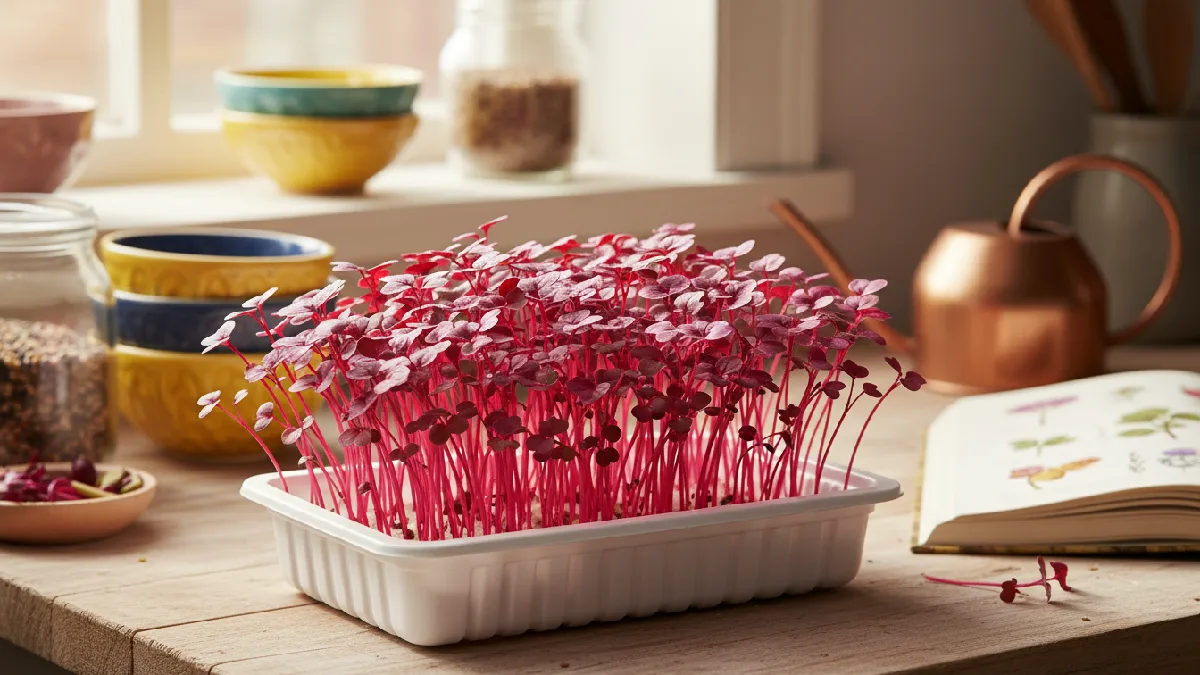
They rise delicate but confident. I remember thinking they look too pretty to cut. Harvest when leaves open wide. Wait too long, stems harden by t. Nutrients are packed densely inside those fragile shoots. The kitchen feels artistic with them around. Small tray, bold statement. Growth feels special, honestly.
Red Cabbage Microgreens
Red cabbage microgreens stand out fast. Purple stems, dark leaves, almost glowing under light. They look fancy but grow pretty easily. The flavor is mild with slight sweetness. Crunch feels clean. Toss them over tacos or salads, and the plate changes instantly. Seeds sprout evenly when the moisture is right.
Too much water, they complain quietly. I learned the messy way. Harvest once true leaves show. Wait longer, and the stems stiffen a bit. Nutrients sit packed inside those tiny purple shoots. The kitchen feels colorful with a tray nearby. Small leaves, big presence. Care is simple, reward looks premium.
Beet Microgreens
Beet microgreens look beautiful. Stems pink, leaves deep green. Color alone grabs attention. The flavor is mild, slightly earthy. Salads turn vibrant fast. A sandwich looks fancy with a small handful. Seeds take a little longer to sprout. Patience matters here. Trays need steady light and gentle watering.
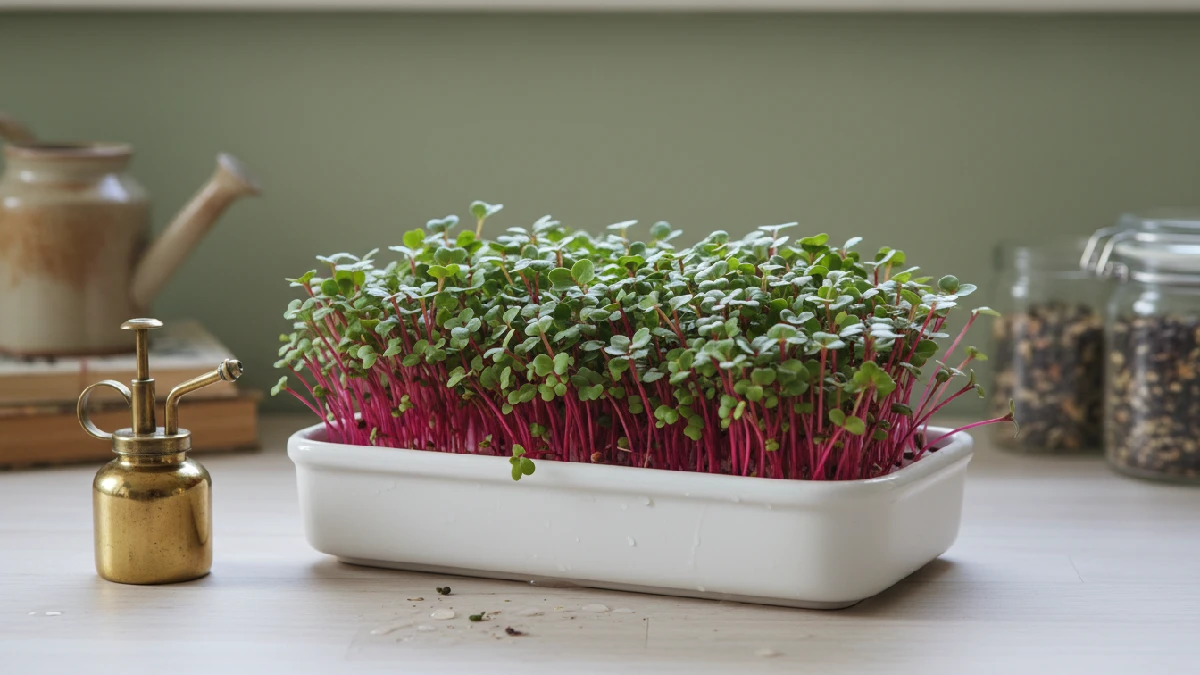
Growth feels calm, not rushed. Beginners often stare at the red stems, surprised. I did the same the first time. Harvest when leaves open fully. Wait too long, and the texture gets tougher. Nutrients are packed inside tiny shoots. The kitchen feels artistic with them around. Effort is simple. The result feels special.
Arugula Microgreens
Arugula microgreens grow quickly. Leaves are small, with a bold, peppery flavor. Bite hits sharp, a little wild. Salads wake up instantly. A sandwich feels gourmet with one pinch. Seeds sprout evenly indoors. Trays look full within days. Light steady, water balanced. Growth moves fast. Beginners get excited watching stems rise.
I once tasted them straight from the tray, and a strong kick surprised me. Harvest at the right height. Wait longer, taste turns more bitter. Nutrition stays packed. The kitchen smells fresh and green. Effort stays minimal. Results feel chef-level, honestly. Tiny leaves, serious attitude.
Fastest Growing Microgreens (Ready in Under 10 Days)
Some microgreens don’t wait. Radish shoots pop 5to 7 days. Mustard grows quickly, spicy, and bright. Cress tiny leaves appear fast. Broccoli sometimes takes 7 to 10 days. Seeds swell, roots grab soil. Shoots push up. Energy feels real. Beginners notice daily. The leaves are small, flavor is strong.
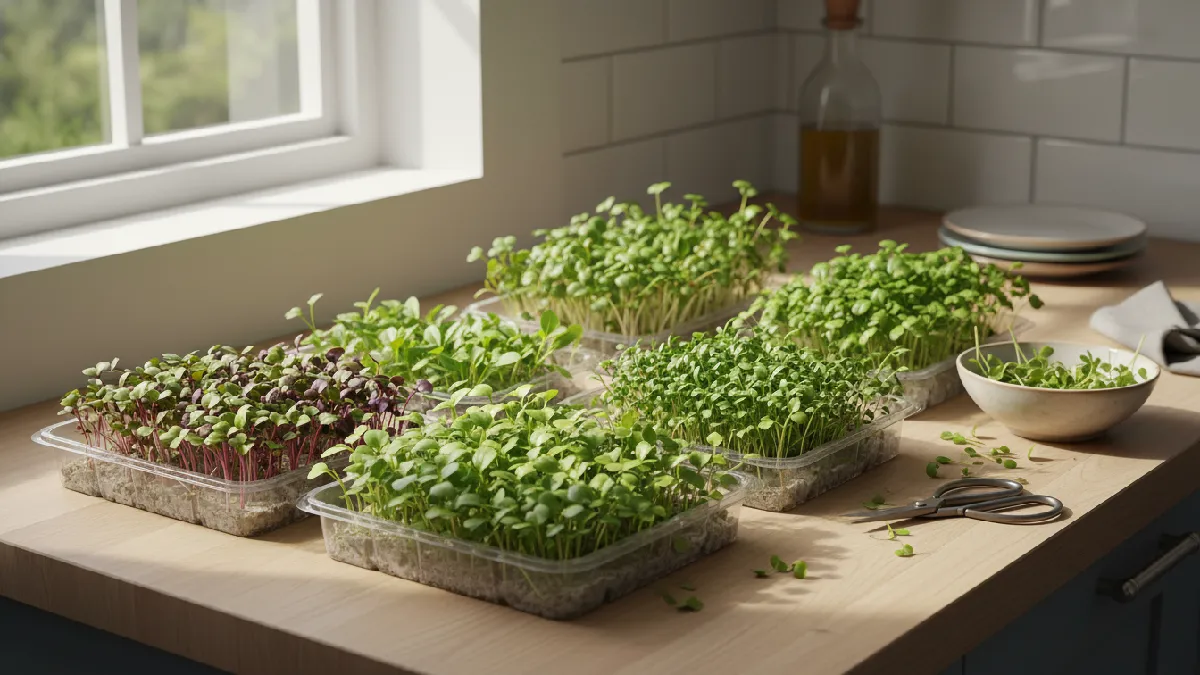
Trays feel lively. Mist gently. Light hits leaves. Harvest comes fast. Nutrition stacked high. Kitchen corners turn green. Every tray teaches patience. Care feels simple. Growth excites. Tiny effort, big reward. Watching sprouts pop is fun. Indoor microgreens feel alive.
Radish
Radish microgreens grow quickly indoors. Seeds are tiny, roots grab soil fast. The leaves are small and bright green. The flavor is sharp and slightly spicy. Trays feel lively. Energy feels real. Mist lightly. Light hits evenly. Shoots stretch up. Perfect for salads and sandwiches. Harvest in 7to 10 days.
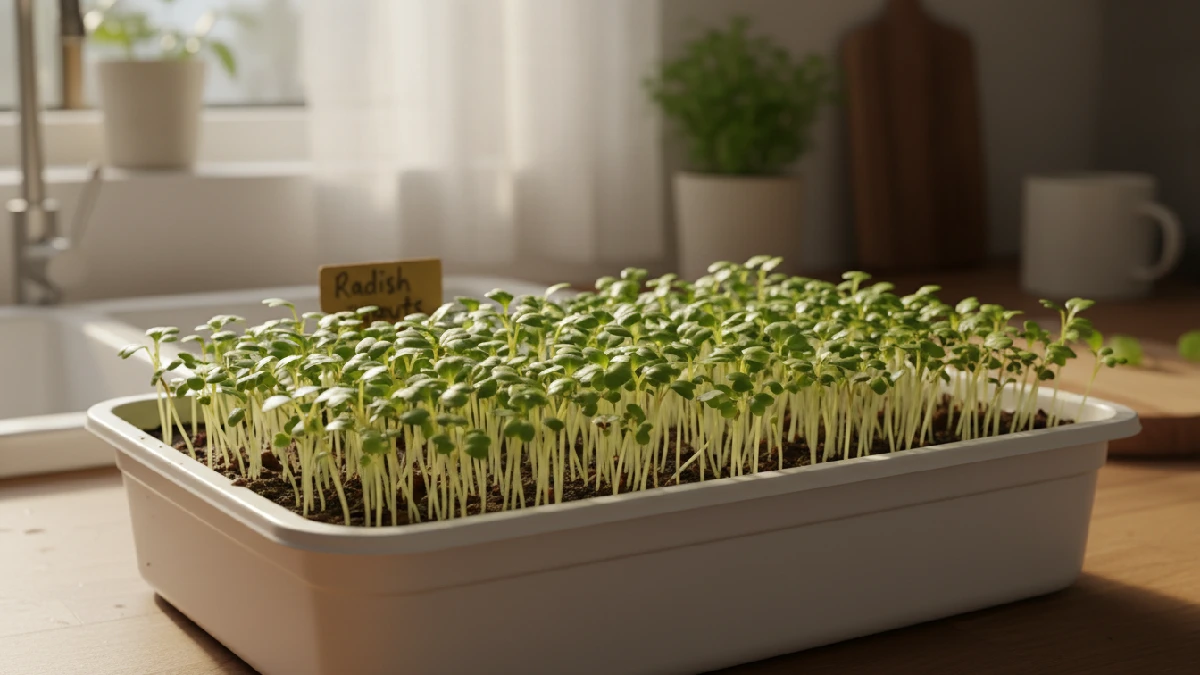
Beginners watch daily. Tiny leaves pop fast. Nutrition stacked high. Small effort, big reward. Kitchen corners turn green. Each tray teaches patience. Microgreens surprise often. Care feels simple. Growth excites. Indoor radish is an easy start. Leaves crisp, shoots tender. Watching sprouts grow is fun.
Mustard
Mustard microgreens grow fast indoors. Seeds are tiny, and roots grab soil quickly. The leaves are small and bright green. Flavor: sharp, spicy, zesty. Stems are thin and tender. Trays feel lively. Energy feels real. Mist lightly. Light hits evenly. Shoots stretch up naturally. Perfect for salads and sandwiches.
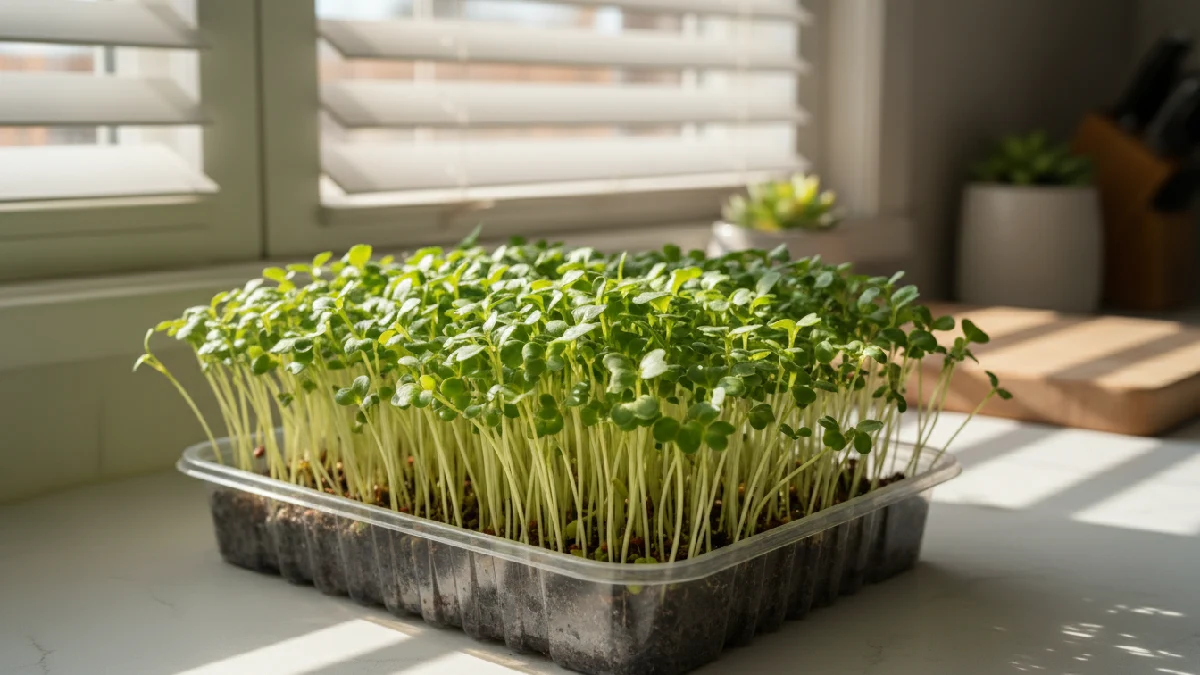
Harvest 7to 10 days. Beginners watch daily. Tiny leaves pop fast. Nutrition stacked high. Small effort, big reward. Kitchen corners turn green. Each tray teaches patience. Microgreens surprise often. Care feels simple. Growth excites. Indoor mustard is an easy start. Leaves crisp, shoots tender. Watching sprouts grow is fun.
Broccoli
Broccoli microgreens grow steadily indoors. Seeds are tiny, sprouts are thick. The leaves are soft and bright green. Roots grab soil fast. Trays feel lively. Energy feels real. Mist lightly. Light hits evenly. Shoots stretch up naturally. Flavor mild, fresh. Perfect for salads and sandwiches. Harvest 7to 10 days.
Beginners watch daily. Tiny leaves pop fast. Nutrition stacked high. Small effort, big reward. Kitchen corners turn green. Each tray teaches patience. Microgreens surprise often. Care feels simple. Growth excites. Indoor broccoli is an easy start. Leaves crisp, shoots tender. Watching sprouts grow is fun.
Cress
Cress grows fast. Leaves are small, with a peppery taste. Taste sharp, almost spicy kick. Sprinkle on eggs or sandwiches. Soup wakes up instantly. Seeds sprout quickly indoors. Trays fill within days. Light steady, water gentle. Growth feels almost impatient. Beginners love the speed.
You check the tray in the morning, shoots are already taller. Aroma fresh, a little wild. Harvest early for the best bite. Wait too long, stems turn strong, a bit tough. Nutrition packed inside tiny greens. The kitchen feels lively with cress around. Effort minimal. The reward is surprisingly big.
Most Profitable Microgreens to Grow (If Selling)
Some microgreens earn more than others. Sunflower shoots are fast, crunchy, and filling. Pea shoots are popular, sweet, and tender. Basil microgreens are pricey and flavor-strong. Red cabbage and beet microgreens are colorful and eye-catching. Radish and arugula are fast growers and sell quickly in small batches. Seeds small, cost low, yield high.
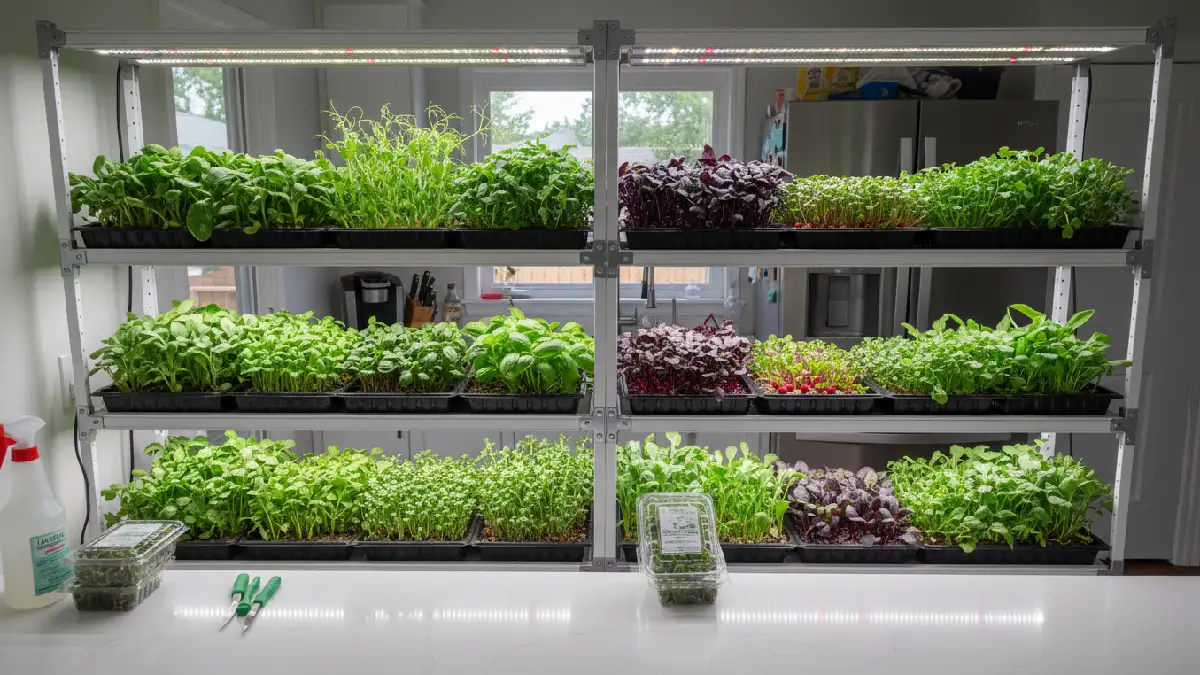
Trays fill fast. Energy feels real. Beginners notice daily growth. Leaves bright, flavor strong. Harvest comes quickly. Kitchen corners turn green. Every tray teaches patience. Care feels simple. Microgreens surprise often. Selling feels rewarding. Tiny effort, big profit. Indoor microgreens stay fresh, market-ready. Watching trays is fun.
Sunflower Microgreens
Sunflower microgreens grow tall and fast. Stems thick. Leaves are broad and green. Seeds pop slower than radish. Roots grab soil strongly. Leaves reach for light. Flavor: nutty, crunchy. Indoor trays handle them fine. Beginners watch daily. Energy feels real. Mist gently. Soil stays moist, not soggy.
Harvest 10to 14 days. Cut above the soil. Eat fresh. Tiny leaves are bright green. Every tray teaches lessons. Microgreens make the kitchen lively. Growth surprises often. Care feels simple. Effort small, reward big. Watching shots pop excites.
Pea Shoots
Pea shoots grow quickly. Leaves pop up fast. Stems tender, a bit firm. Seeds sprout evenly. Roots grab soil. Leaves reach for light. The flavor is mild, a little sweet. Good for salads and sandwiches. Trays indoors handle them fine. Beginners watch daily. Energy feels real. Trays look alive. Mist lightly.
Soil stays moist. Not soggy. Harvest in 10to 14 days. Cut above the soil. Eat fresh. Tiny shoots crunch. Every tray teaches. Microgreens make the kitchen lively. Growth surprises often. Care feels simple. Effort small, reward big.
Radish
Radish microgreens grow fast indoors. Seeds are tiny, and roots grab soil quickly. The leaves are small and bright green. Flavor shares p, spicy. Trays feel lively. Energy feels real. Mist lightly. Light hits leaves. Shoots stretch up. Perfect for salads and sandwiches.
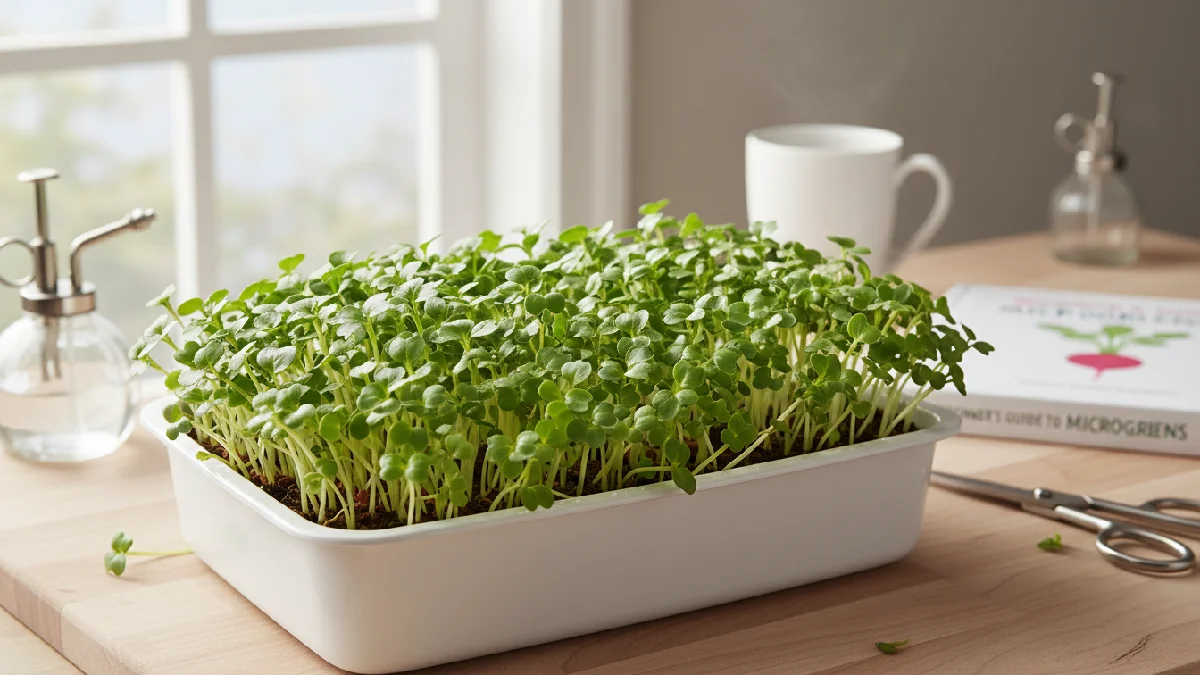
Harvest 7to 10 days. Beginners watch daily. Tiny leaves pop fast. Nutrition stacked high. Small effort, big reward. Kitchen corners turn green. Each tray teaches patience. Microgreens surprise often. Care feels simple. Growth excites. Watching sprouts grow is fun.
Basil Microgreens
Basil microgreens are tiny. The leaves are soft and smell fresh. It tastes slightly sweet. Sprinkle on sandwiches. Pasta pops with flavor. Trays fill fast. Light hits leaves, and they stretch. Water enough, not too much. Harvest comes quickly. Energy feels alive. Beginners notice growth daily.
Aroma spreads in the kitchen. Leaves pack a strong flavor. Mix with other microgreens for taste. Each tray surprises me. Care feels easy. Growth excites. Meals feel fresh. Tiny leaves lift dishes. Watching them grow feels fun. Eating feels rewarding. Home feels lively with basil.
How to Choose the Best Microgreens to Grow
Picking microgreens isn’t hard. Think about taste first. Some spicy, some mild. Radish sprouts fast. Sunflowers take longer. Space matters. Tiny trays? Big leaves? Start easy. Nutrition counts too. Kale and broccoli are packed. Beginners love quick results. Flavor, rich ones for meals.
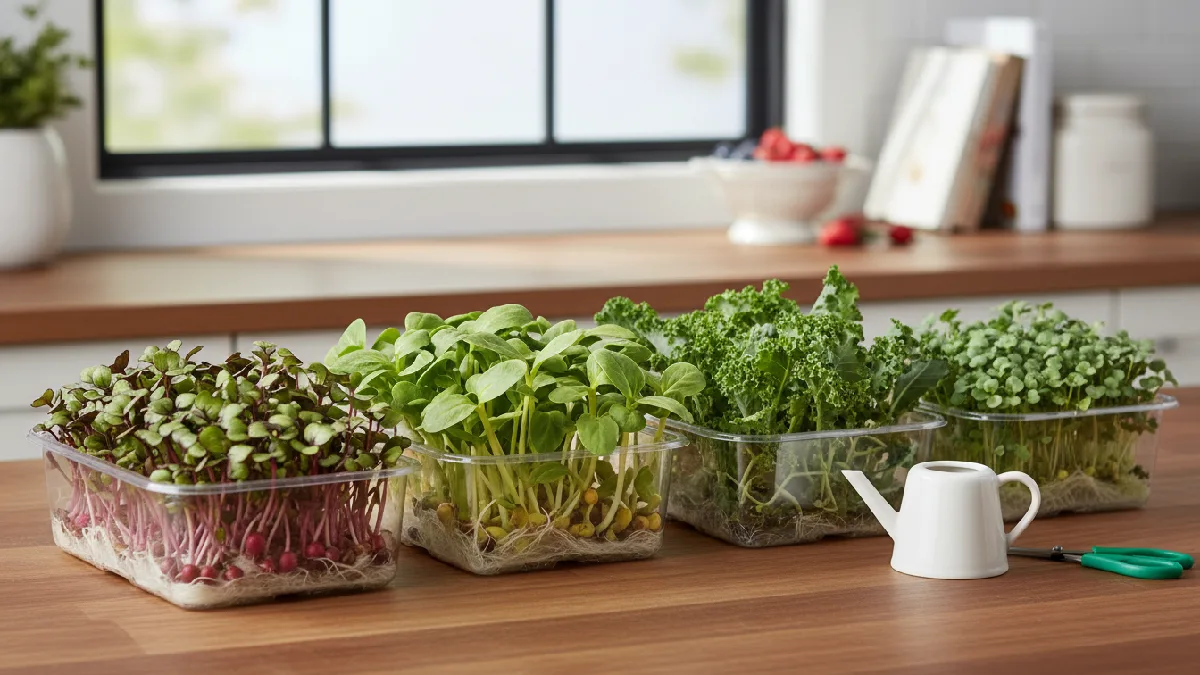
Tiny leaves, big punch. Try slowly. Watch sprouts grow. Energy feels real. Kitchen corners turn green. Every tray teaches something. Microgreens surprise often. Effort small, reward big. Learn by doing. Each batch feels different. Growth feels alive. Plants react. Every tray tells a story.
Based on Flavor Preference
Flavor matters. Microgreens are tiny, taste bold. Radish hits spicy. Basil smells sweet, pops on pasta. Arugula punches salads. Pea shoots stay tender and mild. You sprinkle, mix, and try combos. The kitchen feels alive. Every bite changes mood. Some trays surprise. Leaves are soft, crisp, and sometimes peppery. Beginners notice flavors fast.
Smoothies, sandwiches, soups, tinyand greens lift them. You experiment. Taste guides choice. Favorites appear quickly. Energy from fresh leaves feels real. Microgreens make food playful. Every harvest brings small joy. Meals never boring. Leaves small, impact big. Flavor-led growing keeps trays lively.
Based on Growing Time
Growing time matters. Some microgreens pop fast. Radish, broccoli, pea shoots, ready in a week or so. Sunflower, kal, and take longer. Patience needed. Watch tiny leaves push up slowly. Beginners are surprised by the growth. Energy feels real. Trays fill slowly. Leaves stretch, roots grab medium.
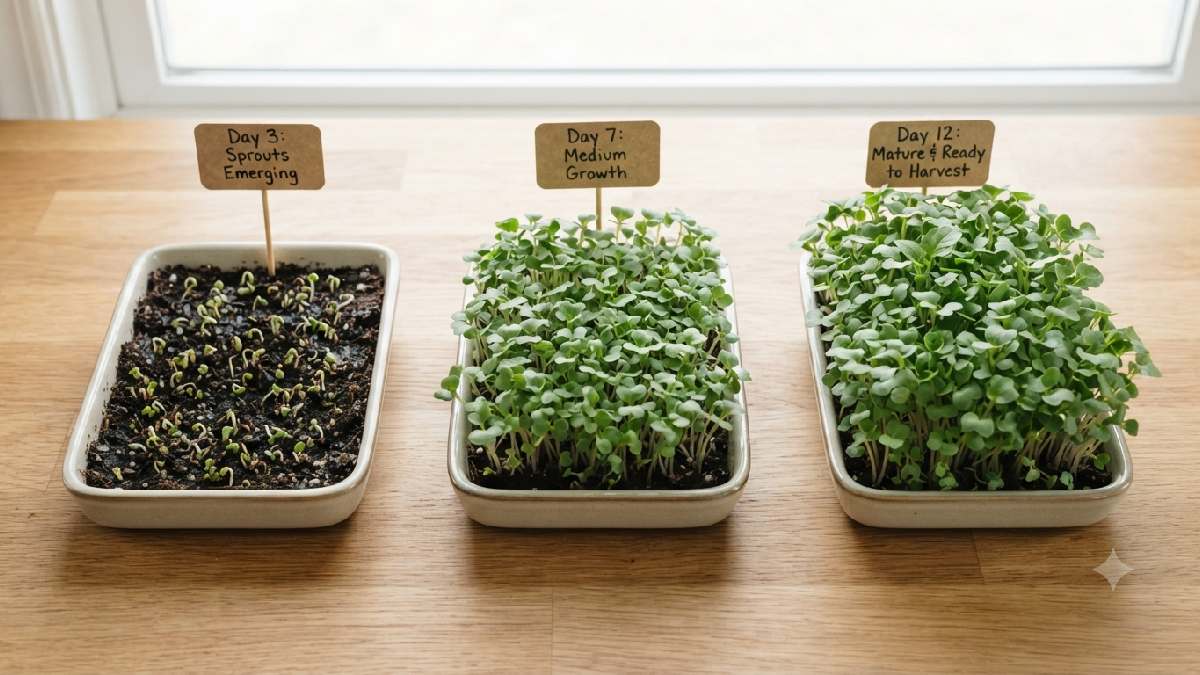
Smoothies, sandwiches, soups, tiny and greens lift them. You experiment. Taste guides choice. Favorites appear quickly. Energy from fresh leaves feels real. Microgreens make food playful. Every harvest brings small joy. Meals are never boring. Leaves small, impact big. Flavor-led growing keeps trays lively.
Based on Available Space
Space matters. Tiny apartments work fine. Windowsills, shelves, or balconies fit trays. Even a kitchen corner works. Small trays grow enough. Light reaches plants easily. Leaves stretch naturally. Indoor microgreens adapt fast. You watch shoots pop. Energy feels alive. Beginners smile seeing growth.
Limited space isn’t a problem. Containers stack neatly. Care stays simple. Every tray tells a story. Growth surprises daily. You notice tiny changes. Plants react to small tweaks. Home feels green. Satisfaction comes quicquicklyny effort is made. Microgreens fit modern homes. Fresh greens are always ready.
Based on Nutritional Goals
Microgreens are tiny but punch hard. Leaves are small, vitamins stacked. You want energy? Kale or broccoli works. Antioxidants? Beet or red cabbage. Each tray feels like a mini health boost. Taste pops too. Sweet, earthy, peppery, every bite surprises. I added radish once, and it hit fast. Smoothies, salads, and sandwiches come alive.
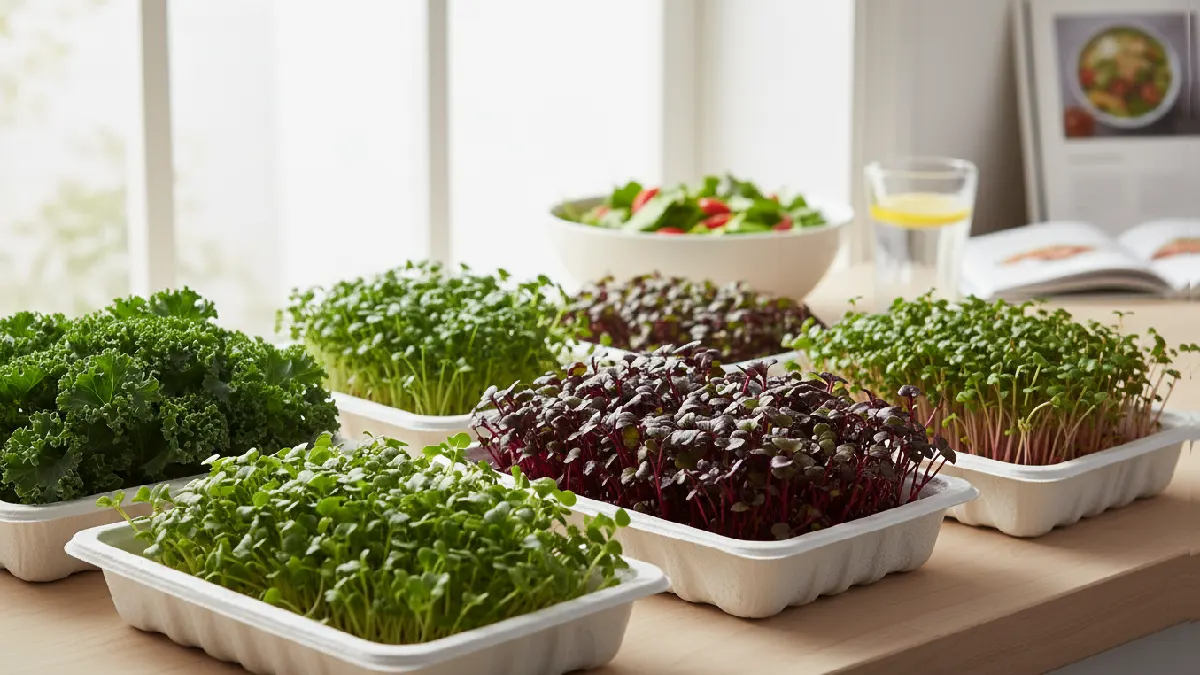
Watching leaves grow feels real. Beginners notice changes quicquicklydy reacts, energy rises. Little work, big payoff. You plan trays for goals. Every leaf counts. Eating feels fun. Meals look fresh. Microgreens turn ordinary food into small adventures. Every harvest teaches something. You keep trying. Health hits fast.
How to Grow Microgreens Step, by, Step
Growing microgreens feels alive. Trays ready, soil or cocopeat set. Seeds sprinkled gently. Mist lightly. Tiny shoots peek fast. Cover dark for germination. Leaves wait under light. Sun works, LED too. Rotate trays sometimes. Water enough, not too much. Temperature 18- 24°C works best. Air moves softly. All fans help.
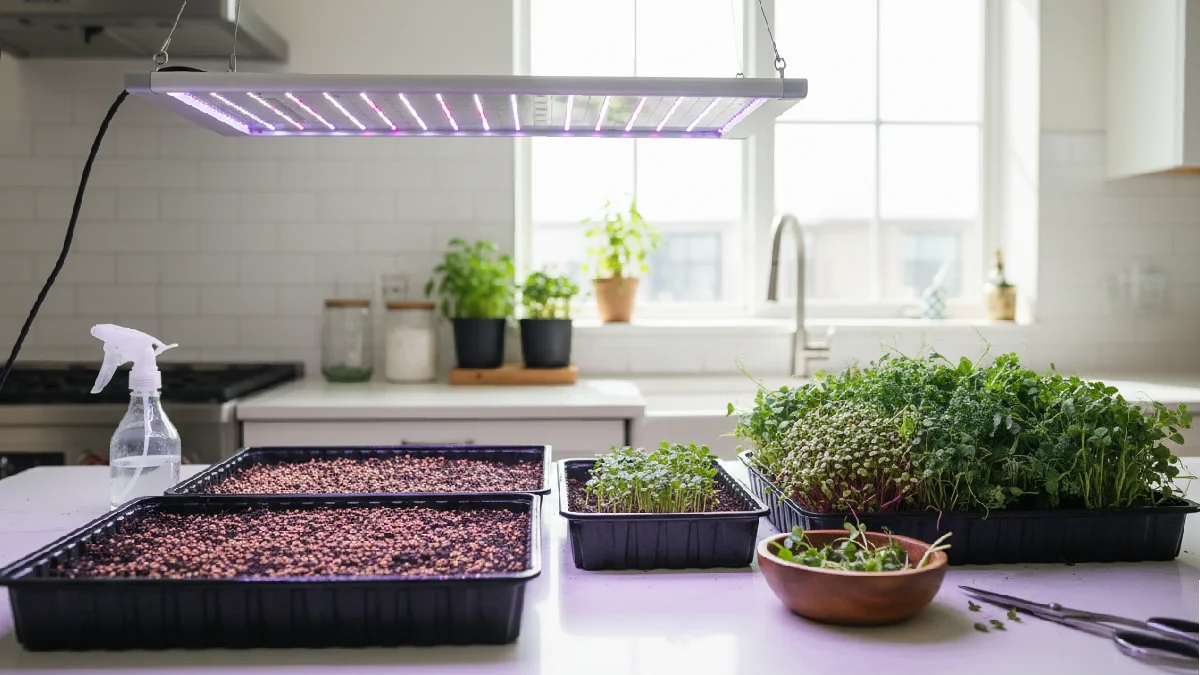
First true leaves show, grab scissors. Cut above the soil. Eat fresh. Each tray teaches something. Beginners notice change daily. Energy hits real. Care simple, reward big. Kitchen corners turn green. Microgreens pop every day. Little effort, huge results. Watching sprouts is exciting. You learn as you go.
Step 1: Choose High-Quality Seeds
Seeds make or break microgreens. Cheap seeds fail. Old seeds barely sprout. Non-GMO, food-grade works best. Radish, broccoli, and sunflower pop easily. Tiny seeds, big surprises. Spread evenly in the tray. Crowding kills growth. Mist lightly. Roots grab soil fast. Leaves push up.
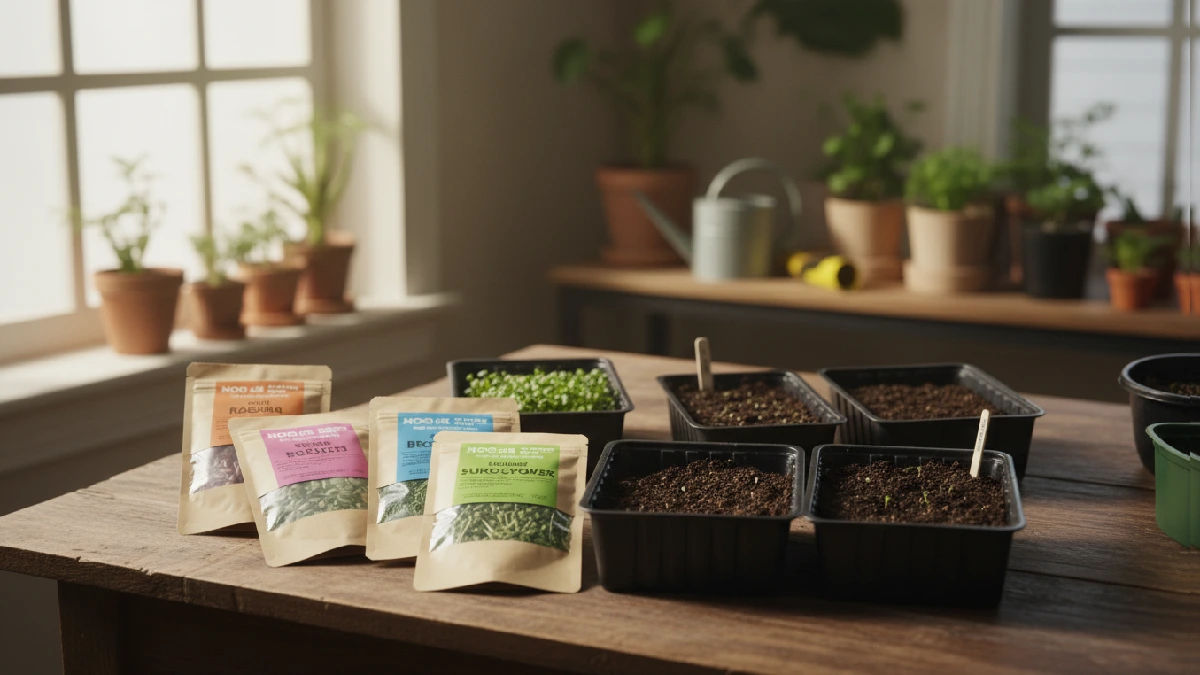
Beginners notice every change. Energy feels real. Each tray teaches something. Start fresh each batch. Watch shoots appear. Leaves turn bright green. Results feel satisfying. Microgreens grow healthy. It tasted spicy. Nutrition stays packed. Small effort, big reward. The kitchen feels alive.
Step 2: Select Growing Medium (Soil vs Hydroponic)
Choosing the medium matters. Soil feels natural. Organic, soft, holds moisture. Roots grab fast. Leaves push up strongly. Cocopeat works too. Holds water well. Seeds stay cozy. Hydroponic mats need no soil. Water wicks slowly. Leaves stay firm. Plants react fast. Beginners notice sprouts pop. Tiny leaves appear daily.
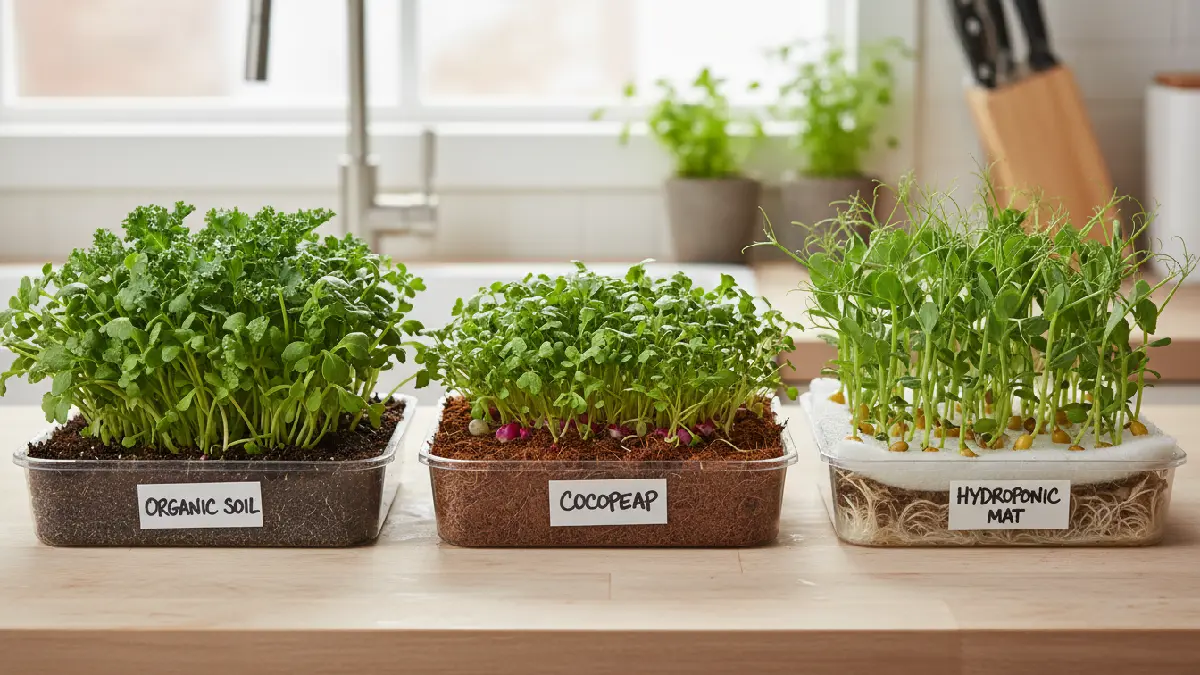
Mist lightly, avoid soggy roots. Each tray teaches something. Energy from growth feels real. Choosing the right medium saves problems later. Care feels natural. Small effort, big reward. Kitchen corners turn green. Watching trays excites. Growth surprises often. Every batch tells a story.
Step 3, Sowing Seeds Properly
Sowing seeds matters. Spread evenly in the tray. Don’t crowd them. Tiny seeds need space. Mist lightly after sowing. Roots grab soil fast. Seeds sit cozy. Beginners notice sprouts appear quickly. Tiny leaves pop up. Energy feels alive. Cover the tray with a dark cloth for germination if needed. Watch moisture daily.
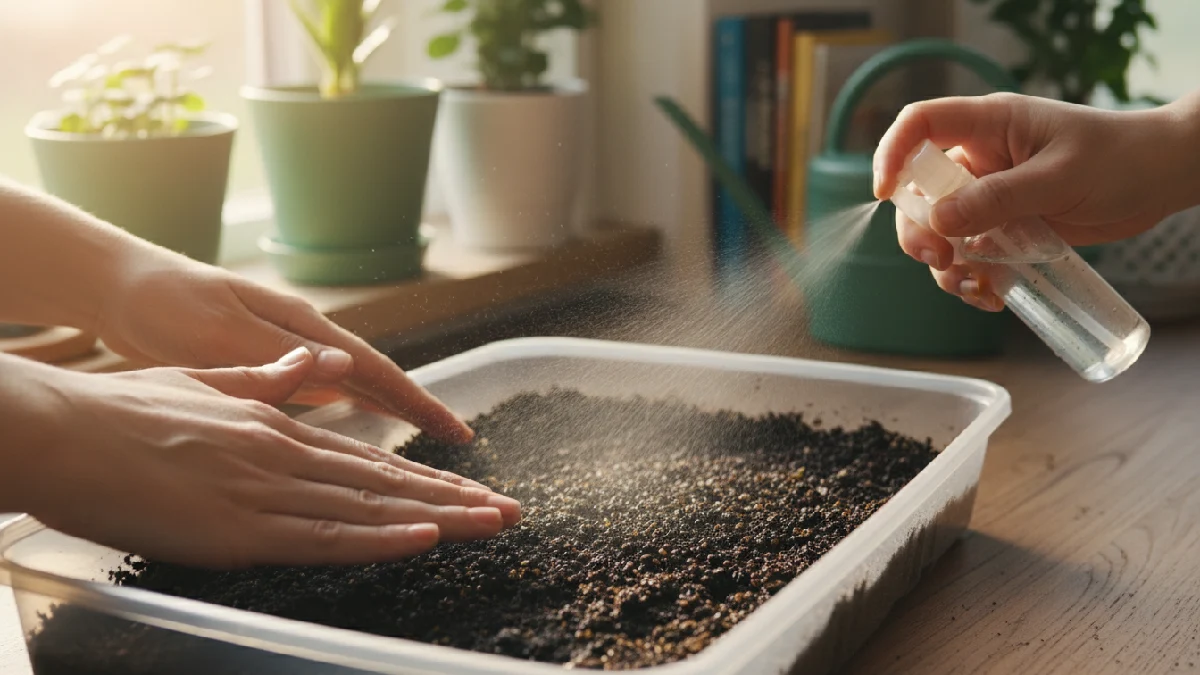
Too much water? Seeds rot. Too little? Nothing grows. Every tray teaches something. Leaves push green. Kitchen corners turn lively. Care feels simple. Microgreens grow healthy. Flavor strong, nutrition packed. Tiny effort, big reward. Each batch surprises me. Watching shoots pop excites beginners.
Step 4, Light & Water Requirements
Light and water are key. Microgreens need 12to 16 hours of light. Sunlight works near a window. LED grow lights indoors help. Leaves stretch toward light. Mist gently, soil moist but not soggy. Overwatering kills roots. Too little water? Seeds dry, nothing grows. Rotate trays sometimes. Watch tiny shoots respond.
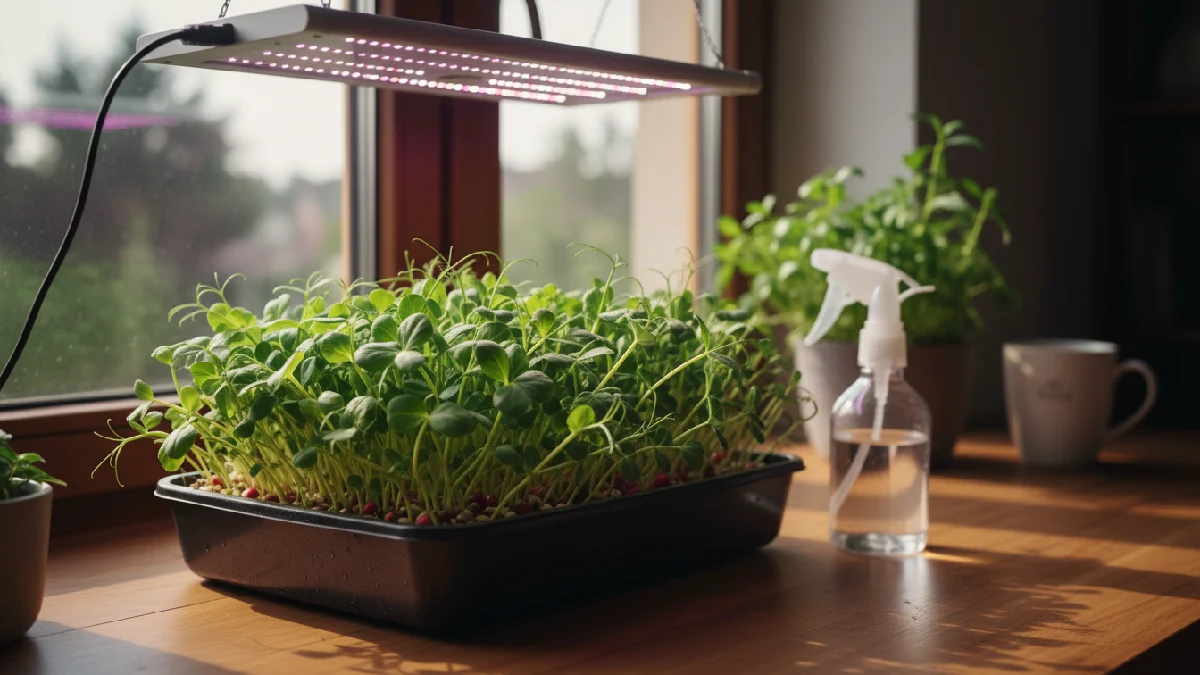
Beginners notice growth daily. Energy feels real. Leaves stay firm, green. Each tray teaches something. Care feels simple. Kitchen corners turn alive. Microgreens pop fast. Small effort, big reward. Harvest comes quickly. Watching shoots stretch excites. Growth feels alive. Every batch surprises me.
Step 5: When and How to Harvest
Harvest comes quickly. Usually 7to 14 days. True leaves pop first. The leaves are bright green. Stems firm. Grab scissors. Cut just above the soil. Don’t pull roots. The tray stays clean. Eat fresh. Rinse gently if needed. Extras go in an airtight container. The fridge keeps them crisp for a few days. Some sprouts regrow a little.
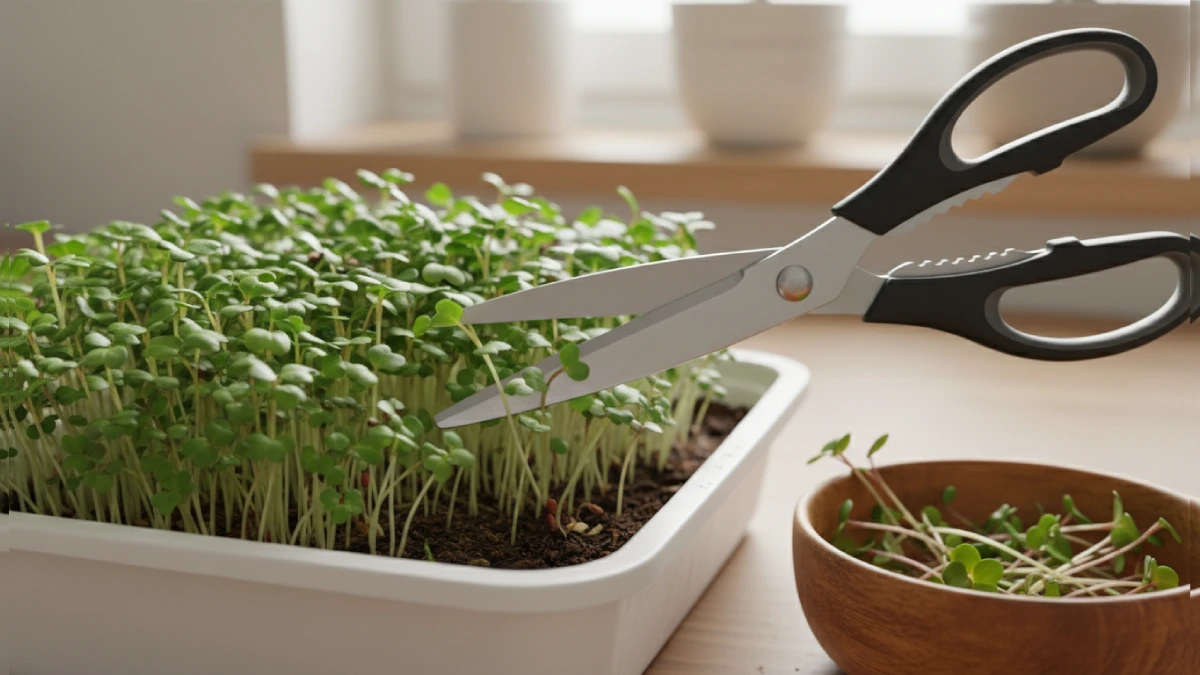
Pea shoots are sometimes surprising. Radish, sunflower rarely. Harvest feels exciting. Beginners smile watching tiny leaves turn green. Every tray teaches patience. Energy from greens hits fast. The kitchen feels alive. Tiny effort, big reward. Leaves taste sharp. Growth surprises daily.
Common Mistakes to Avoid When Growing Microgreens
Many beginners mess up without knowing. Overwatering kills roots fast. Soil is soggy, and mold pops. Crowding seeds is another trap. Leaves stay weak, growth slows. Light too low makes microgreens leggy. Stems are thin, leaves are yellow. Dirty trays spread bacteria. Hygiene matters. Reusing old trays can hurt plants. Temperature swings confuse growth. Too hot burns leaves.
Too cold slows roots. Beginners panic, adjust too much. Tiny tweaks work better. Air circulation is often ignored. Stagnant air invites mold. Watching trays daily helps. You notice small changes. Correct mistakes early. Microgreens recover fast if cared for correctly. Learning comes from doing. Every tray teaches. Results surprise beginners. Growth feels alive.
Overwatering
Overwatering kills microgreens fast. Roots rot, soil soggy. Leaves droop, curl. Mold appears quickly. Trays get heavy. Seeds struggle. Beginners panic. Tiny tweaks save growth. Mist lightly instead. Check the soil daily. Bottom watering works better sometimes. Plants respond fast.
Energy feels alive when done right. Every tray teaches slowly. Care matters. Leaves bounce back if handled gently. Watching sprouts grow feels real. Effort small, reward big. Kitchen corners turn green. Microgreens pop fresh. Growth surprises daily.
Poor Air Circulation
Air matters. Stagnant trays invite mold. Leaves stay weak, droopy. Microgreens hate still corners. Roots suffer quietly. Tiny shoots slow down. Beginners worry. A small fan helps. A gentle breeze moves the air. Leaves stay firm. Growth spreads evenly.
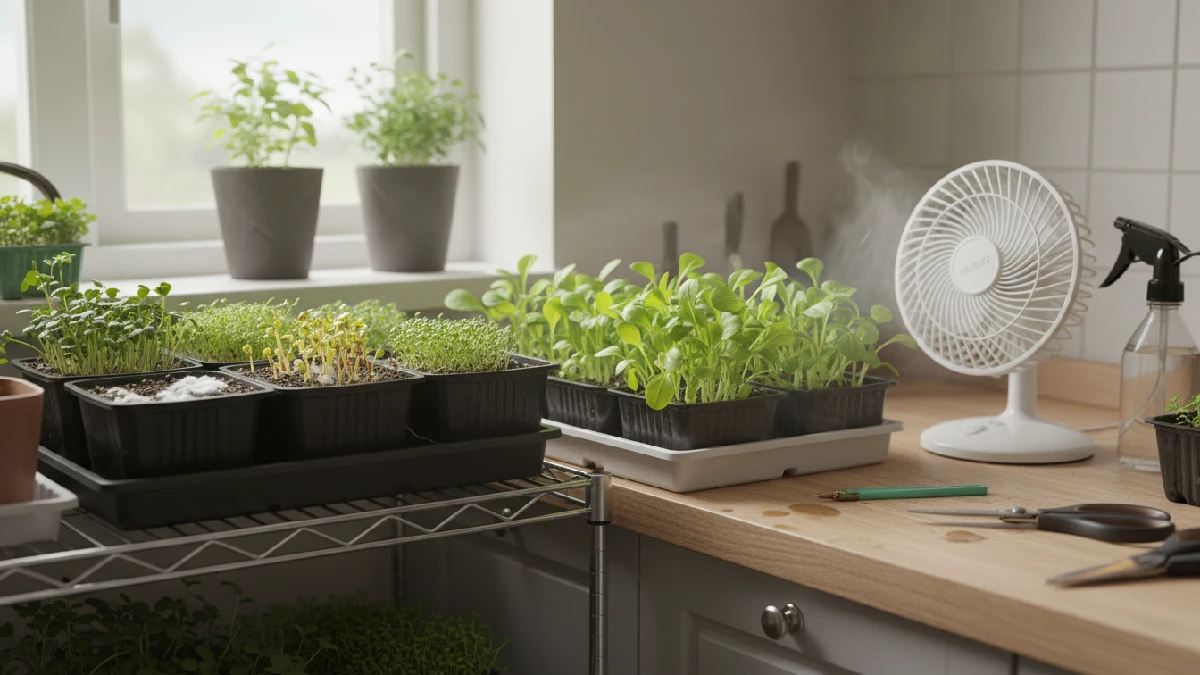
Energy feels alive. Plants react fast. Every tray tells a story. Adjust placement, rotate trays. Care becomes easy. Watching sprouts pop excites. The kitchen feels green. Microgreens thrive. Effort small, result satisfying. Tiny changes matter. Growth surprises daily.
Using Non-Microgreen Seeds
Seeds matter. Not all seeds work for microgreens. Regular garden seeds sometimes fail. They grow slowly or taste bitter. Tiny sprouts struggle. Radish, broccoli, and sunflower peas. Non-GMO, food-grade seeds are best. Beginners often skip this.
Mistakes cost growth. Trays stay empty, leaves weak. Using the right seeds feels rewarding. Energy from sprouts feels real. Watching shoots push up excites. Tiny leaves turn bright green. Growth surprises da
Harvesting Too Late
Timing matters. Leaves grow fast. Wait too long, stems get tough. Flavor fades. Nutrition drops. Microgreens lose crispness. Beginners forget. Trays look full, you hesitate. Cut at first the true leaves. Scissors ready. Harvest carefully. The leaves are bright green and smell fresh. Eat immediately. Energy feels real. Small effort, big reward. The kitchen feels alive.
Every tray teaches something. Growth surprises daily. Tiny adjustments matter. Care becomes satisfying. Meals taste better. Watching microgreens pop excites. Harvesting the right keeps plants vibrant. Freshness lasts. Results feel rewarding. ily. Care stays simple. Every tray teaches. Effort small, reward big. The kitchen feels alive. Results show fast.
Nutritional Benefits of Microgreens
Microgreens are tiny. Leaves punchy. Vitamins hit hard. A, C, and K stacked inside. Antioxidants are strong. One handful is sometimes enough. The body feels it fast. Taste bites pop in salads, sandwiches, and smoothies. Growing at home feels alive. Cut leaves, eat fresh.
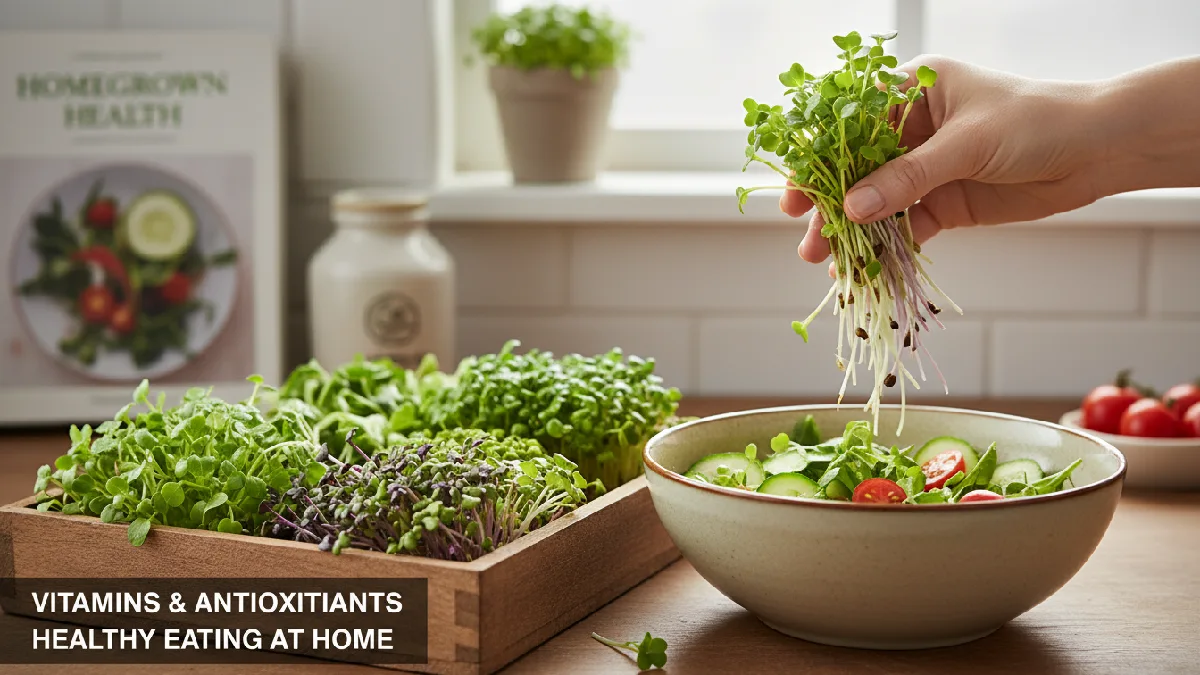
Leaves smell clean. Trays show tiny surprises. Shoots push up green. Effort small. Reward big. Health feels real. Energy hitquicklyck. Meals taste sharper. Microgreens shift routine. Tiny greens, big effect. Beginners notice fast. Every tray tells a story.
Rich in Antioxidants
Microgreens hit hard with antioxidants. Tiny leaves, big punch. Beet, kale, red cabbage, top players. They fight free radicals. Eat a handful, feel it. Once, I tossed red cabbage microgreens in a smoothie. Color popped, energy felt real.
Harvest early, vitamins stay strong. No long storage. No transport. Fresh, alive, ready. Every bite counts. Small leaves, huge defense. The body notices fast. Energy hits naturally. Hard to believe something so tiny can do so much.
High in Vitamins A, C & K
Microgreens pack vitamins. Tiny leaves, huge impact. A, C, K stacked high. Spinach, kale, broccoli, each tray hits differently. I tossed some kale microgreens on toast. Flavor sharp. Energy hits quickly. Leaves are small but strong.
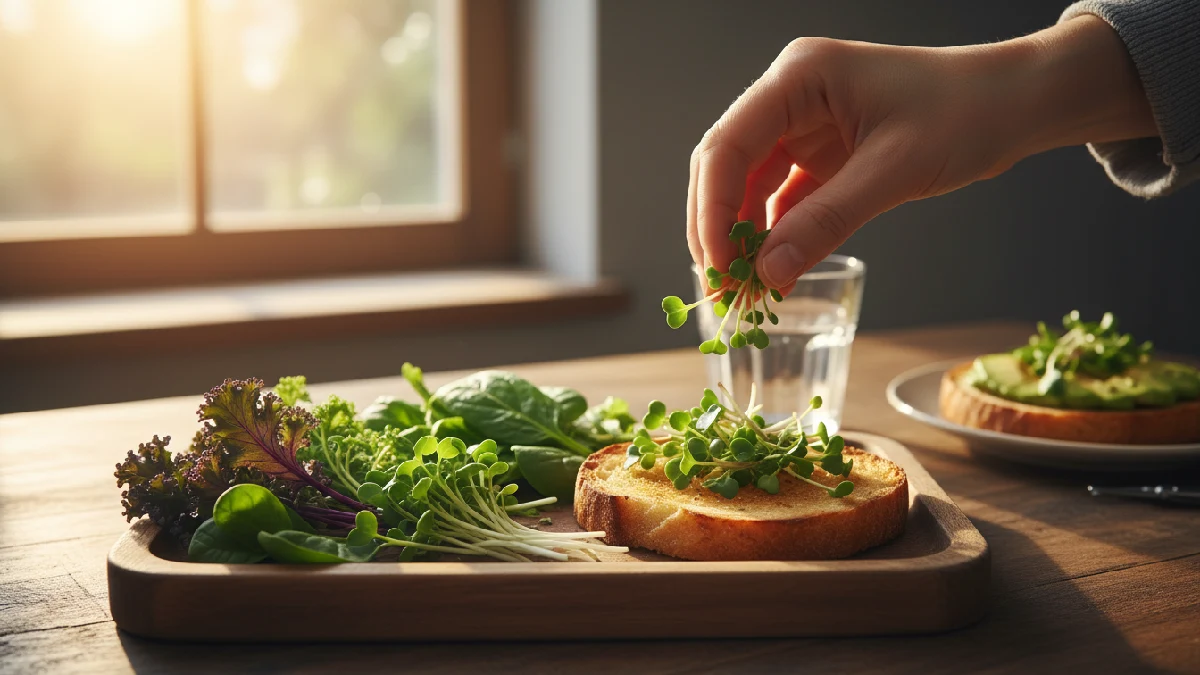
You eat, and your body notices fast. Vitamins stay alive at home. Cut, eat, feel the difference. Beginners smile watching the growth. Every meal pops with color. Tiny greens, big boost. Nutrients don’t fade fast. Simple habit, real results.
Supports Immune Health
Microgreens help immunity. Leaves are tiny, nutrients are stacked. Vitamins and antioxidants boost the body fast. Radish, broccoli, and kale pop with goodness. Energy feels real. Beginners notice small changes. Eat fresh daily. Smoothies, salads, and sandwiches gain punch. Plants grown at home stay clean.
No chemicals, no storage loss. Every tray teaches. Leaves small but impact big impact. The kitchen feels lively. Growth excites. Care simple. Eating microgreens becomes routine. The body reacts quickly. Health perks appear early. Tiny effort, big reward. Energy hits fast. Meals feel alive.
Low-Calorie Nutrient Booster
Microgreens are low in calories. Leaves pack vitamins, minerals, and antioxidants. Energy feels real. Eat a handful, nutrition hits hard. Smoothies, salads, and sandwiches pop. Beginners notice changes fast. Flavor strong, texture crisp. Homegrown keeps leaves fresh. No chemicals, no storage loss.
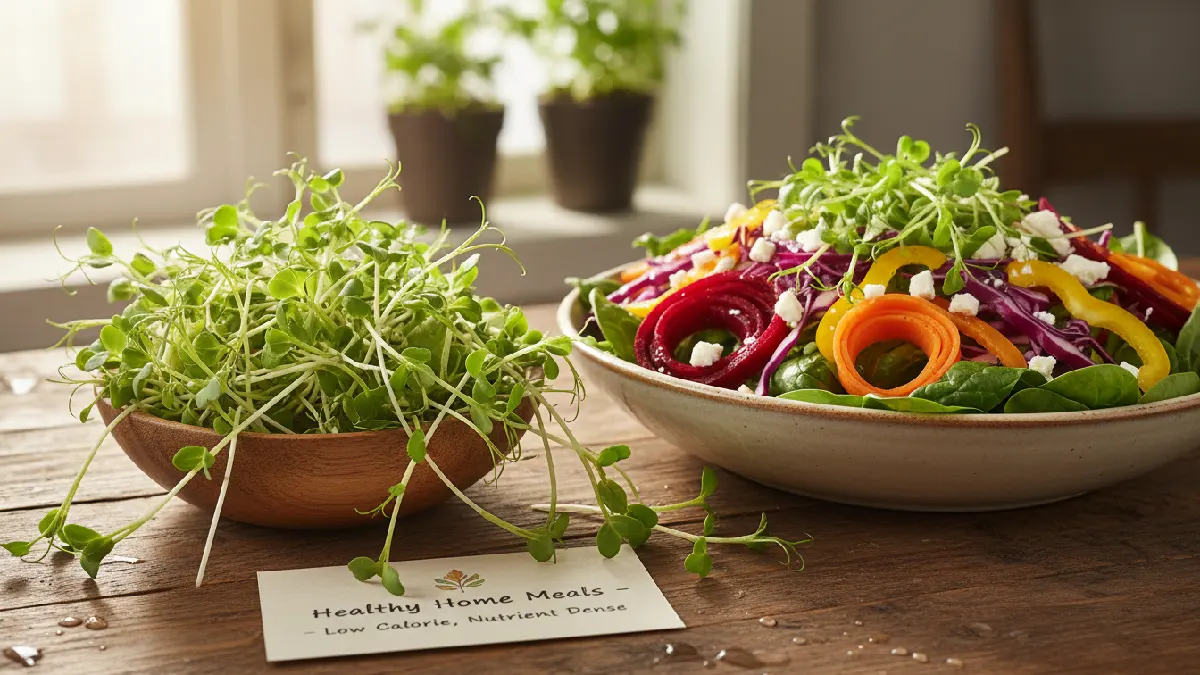
Each tray teaches something. Meals feel lively. Kitchen corners turn green. Growth excites daily. Care stays simple. Tiny effort, big reward. Health perks appear quick. Microgreens make food fun. Eating feels alive. Every bite counts. Energy hits fast. Small leaves, huge impact.
Frequently Asked Questions About the Best Microgreens to Grow
What Are the Easiest Microgreens to Grow for Beginners?
Radish, broccoli, peas and row fast. The seeds are small, and the leaves are green. Soil or mat works. Mist gently. Beginners watch trays daily. Energy feels alive. Kitchen corners turn lively. Growth surprises often.
Which Microgreens Grow the Fastest?
Radish grows very fast. Sometimes it is ready in under a week. Mustard is also quick. You sow seeds, and suddenly a green carpet appears. It feels almost magical. Magical
Microgreens Are the Healthiest?
Broccoli microgreens are tiny and packed with vitamins. Kale is dark green and strong. Red cabbage hits hard with antioxidants. One handful is sometimes enough. Leaves crisp, taste mild. Energy feels alive.
Can I Grow Microgreens Without Sunlight?
Microgreens grow indoors easily. LED lights work well. Keep them close. Give twelve sixteen hours daily. Leaves stretch, stand upright. Color stays bright. Energy feels alive.
How Much Space Do I Need to Grow Microgreens?
Space is small but enough. Tiny shelf work. Windowsill holds trays. The counter fits one or two. One tray grows plenty. Beginners stare, surprised by how fast. Leaves pop up daily. Energy feels alive.
How Often Should I Water Microgreens?
Water microgreens once a day. The soil is moist, but it is not wet. Too much water invites mold. I tap trays, feel weight. Leaves perk up fast. Tiny shoots stretch alive. Energy hits real.
Conclusion
Growing microgreens at home feels alive. Tiny leaves pop up, flavor hits sharp. Seeds sprout, roots grab soil, shoots stretch. Windowsill works, a ray is enough. Radish shoots fast, broccoli packs leaves, sea lean and tastes sweet. Mist, water, adjust light. It comes quickly. Quickly try surprises. Kitchen corners turn green.
Energy feels real. Beginners smile seeing growth daily. Meals look colorful, nutrition stacked high. Indoor microgreens teach patience. Tiny effort, big reward. Watching shoots grow excites me. Each one handful fresh, crisp, alive. Microgreens bring health, flavor, and fun to the home. Life feels lively with green popping everywhere.